THE ADVENTURE COLLECTIVE® · Independent discovery and booking for outdoor travel

Wander the terraces of Prague Castle’s Renaissance and Baroque gardens on a private three-hour walking tour. Discover Queen Anna’s Summer Palace, Wallenstein’s grottoes and Vrtba’s upper terrace while learning the history behind the sculpted views.
Wander the terraces of Prague Castle’s Renaissance and Baroque gardens on a private three-hour walking tour. Discover Queen Anna’s Summer Palace, Wallenstein’s grottoes and Vrtba’s upper terrace while learning the history behind the sculpted views.
You step off the tram and the city’s hum softens: clipped hedges, carved statuary and a fountain that seems to keep time instead of water. The walk begins in terraces that fall toward the Vltava, with fig trees and citrus once exotic enough to be palace curiosities.
Verified experiences and guided adventures in the surrounding area.
Operated by Insight Cities · Prague, Prague
You step off the tram and the city’s hum softens: clipped hedges, carved statuary and a fountain that seems to keep time instead of water. The walk begins in terraces that fall toward the Vltava, with fig trees and citrus once exotic enough to be palace curiosities.
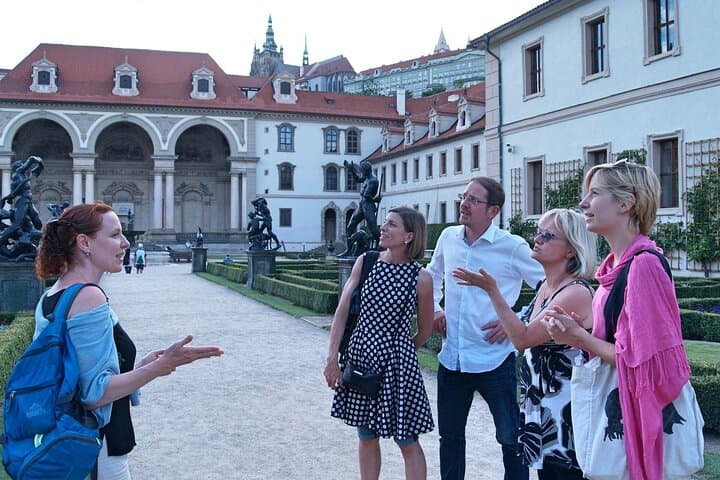
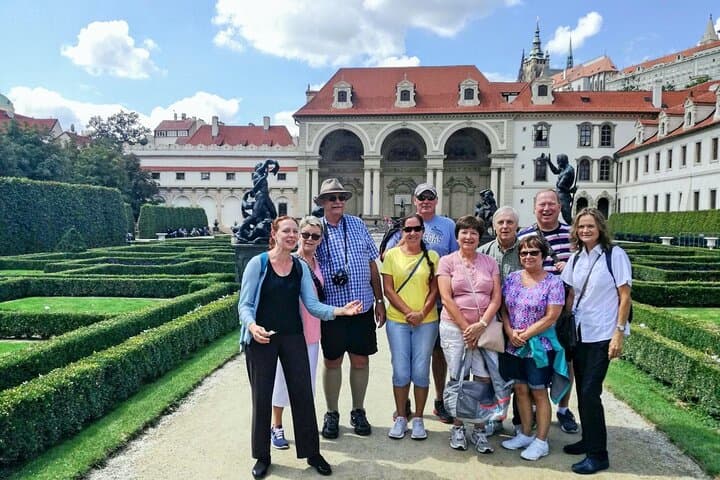
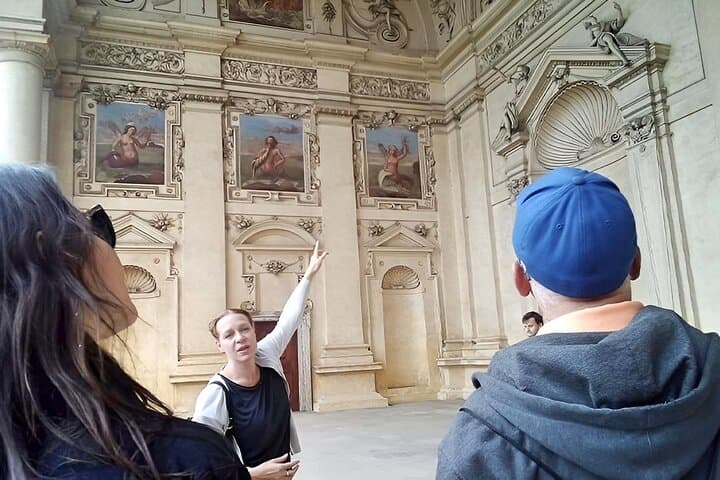
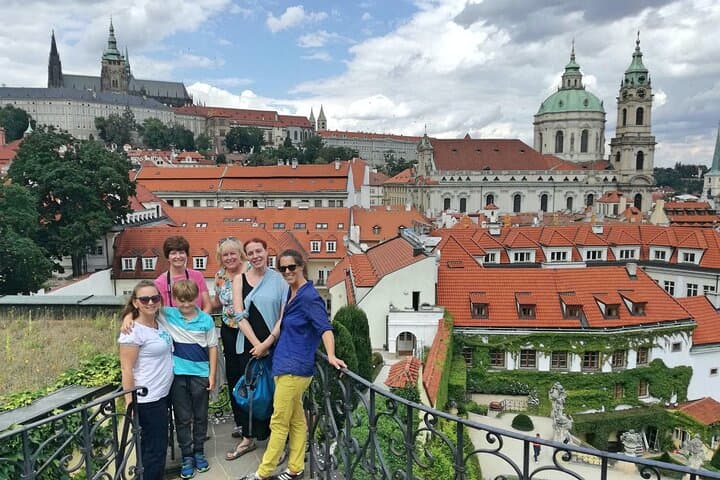
These gardens map Prague’s shifts from Renaissance horticulture to Baroque theatricality. Queen Anna’s Summer Palace (mid-1500s) shows crisp Renaissance stonework and mythic reliefs; nearby Royal Gardens grew rare specimens brought by imperial collectors. The Wallenstein Garden, created in the 1600s, layers Italianate axes with grotto walls, a sculptural gallery and its famous albino peacocks, while smaller private plots like Vrtba reveal ornate terraces and steep stairways offering one of the city’s best viewpoints of the castle.
Culturally, the gardens served rulers and senators, and today they’re public rooms—places for contemplation and city festivals when open. Geologically, the castle hill’s outcrops shape the terraces and moats, directing views and drainage.
Practical guide: the tour runs about three hours and includes a short tram ride (line 22) up to the castle area; expect cobbled surfaces and some steep stairs—moderate fitness helps. Gardens are typically closed November–March, so plan spring–fall visits. Wear grippy shoes, bring water, and leave large backpacks at your hotel; photography is allowed but be mindful of private sections. If stairs or mobility are a concern, request a tailored private route in advance to avoid upper terraces and steep flights.
moderate.
3 hours.
Moderate—comfortable with repeated stair climbs and several hours on foot
Admissions vary by garden; this private guided tour typically covers access where required—confirm with the operator before booking.
The tour meets centrally in Prague and uses Tram 22 to reach the Castle Gardens; public transport is convenient and included in the route plan.
No—the formal gardens are usually closed November through March, so tours run mainly spring through fall.
Many terraces have steep steps and narrow paths; request a customized private itinerary to avoid stairs if accessibility is required.
These gardens reflect Prague’s imperial past: Renaissance plantings at the Royal Garden and later Baroque redesigns like Wallenstein’s 17th-century ensemble tied to aristocratic display and Senate use.
The gardens are maintained as historic landscapes—stay on paths, avoid touching delicate statuary and respect seasonal closures that protect fragile plantings.
Insight Cities operates guided outdoor trips and adventures with an emphasis on safety, stewardship, and memorable experiences.
You step off the tram and the city’s hum softens: clipped hedges, carved statuary and a fountain that seems to keep time instead of water. The walk begins in terraces that fall toward the Vltava, with fig trees and citrus once exotic enough to be palace curiosities.
You step off the tram and the city’s hum softens: clipped hedges, carved statuary and a fountain that seems to keep time instead of water. The walk begins in terraces that fall toward the Vltava, with fig trees and citrus once exotic enough to be palace curiosities.
These gardens map Prague’s shifts from Renaissance horticulture to Baroque theatricality. Queen Anna’s Summer Palace (mid-1500s) shows crisp Renaissance stonework and mythic reliefs; nearby Royal Gardens grew rare specimens brought by imperial collectors. The Wallenstein Garden, created in the 1600s, layers Italianate axes with grotto walls, a sculptural gallery and its famous albino peacocks, while smaller private plots like Vrtba reveal ornate terraces and steep stairways offering one of the city’s best viewpoints of the castle.
Culturally, the gardens served rulers and senators, and today they’re public rooms—places for contemplation and city festivals when open. Geologically, the castle hill’s outcrops shape the terraces and moats, directing views and drainage.
Practical guide: the tour runs about three hours and includes a short tram ride (line 22) up to the castle area; expect cobbled surfaces and some steep stairs—moderate fitness helps. Gardens are typically closed November–March, so plan spring–fall visits. Wear grippy shoes, bring water, and leave large backpacks at your hotel; photography is allowed but be mindful of private sections. If stairs or mobility are a concern, request a tailored private route in advance to avoid upper terraces and steep flights.