THE ADVENTURE COLLECTIVE® · Independent discovery and booking for outdoor travel

Walk from the hilltop Prague Castle down into the Baroque streets of Lesser Town on a four-hour guided tour covering St. Vitus, Charles Bridge views, and centuries of Bohemian history. Expect cobbles, stairs, and panoramic river scenes with practical tips for comfort and timing.
Walk from the hilltop Prague Castle down into the Baroque streets of Lesser Town on a four-hour guided tour covering St. Vitus, Charles Bridge views, and centuries of Bohemian history. Expect cobbles, stairs, and panoramic river scenes with practical tips for comfort and timing.
You step out onto the sun-warmed stone above the Vltava, and the city opens — red tile roofs, the river daring you to cross and the silhouette of St. Vitus rising from the castle walls. This four-hour walking tour begins at Prague Castle on the Hradčany hill, threads through courtyards and defensive ramparts, then descends into the 13th-century Lesser Town where Baroque facades crowd narrow streets.
Verified experiences and guided adventures in the surrounding area.
Operated by Precious Legacy Tours s.r.o · Prague, Prague
You step out onto the sun-warmed stone above the Vltava, and the city opens — red tile roofs, the river daring you to cross and the silhouette of St. Vitus rising from the castle walls. This four-hour walking tour begins at Prague Castle on the Hradčany hill, threads through courtyards and defensive ramparts, then descends into the 13th-century Lesser Town where Baroque facades crowd narrow streets.
The route traces more than a millennium of Bohemian power: the castle complex has been the seat of rulers since the 9th century and, by area, ranks as the largest ancient castle in the world. Architectural layers are visible at a glance — Romanesque foundations of St. George's Basilica, Gothic vaults in St. Vitus, and 17th-century Baroque rebuilds in Lesser Town after fires and conflicts reshaped the neighborhood.
Geology is subtle here but important: the castle crowns a long ridge above the Vltava, lending sweepingly uneven streets and staircases that shaped defensive placement and later urban growth. Cultural life gathers in tucked gardens, artisan shops, and cafés that spill onto cobbles.
Practical guidance: expect about 3–4 miles of walking on uneven cobblestones and steps, with repeated elevation change descending from the castle to the river. Wear sturdy shoes, bring a small water bottle and layered outerwear for shifting weather, and allow time for admissions and photo stops at St. Vitus and Charles Bridge. Public transport access is nearby, and an English-speaking guide handles admissions included in the tour — ideal for history-minded travelers who want a compact, walkable primer on Prague's political and architectural heart.
moderate.
4 hours.
Moderate: you should be comfortable walking 3–4 miles on uneven cobblestones and negotiating several stair sections.
Yes — the tour description notes admissions are included, and your guide will cover entry to key sites like St. Vitus Cathedral.
Expect 3–4 miles of walking with repeated elevation change and several staircases between the castle complex and Lesser Town.
The route includes cobblestones, steps, and steep sections; it is not fully wheelchair accessible and strollers will be challenging on stair sections.
This listing provides an English-speaking professional guide; confirm language needs when booking if you require another language.
Prague Castle has been a political center since the 9th century and was repeatedly rebuilt, blending Romanesque, Gothic, and Baroque architecture across eras.
Historic neighborhoods are sensitive to wear from heavy foot traffic — stick to marked paths, avoid trampling green spaces, and support local businesses to help maintain preservation efforts.
Precious Legacy Tours s.r.o operates guided outdoor trips and adventures with an emphasis on safety, stewardship, and memorable experiences.
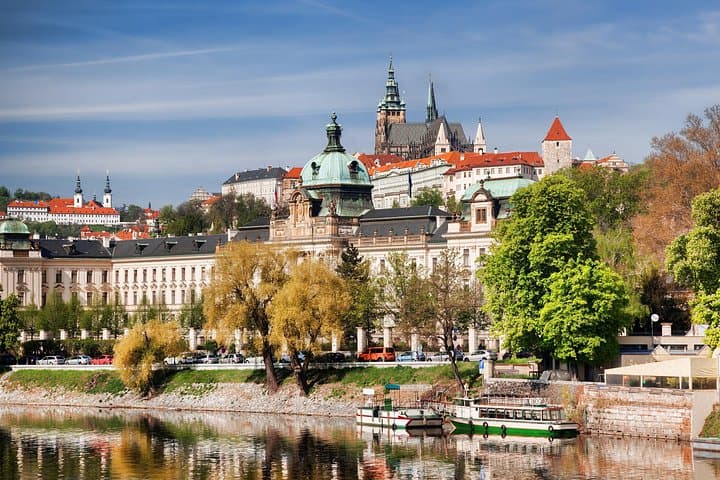
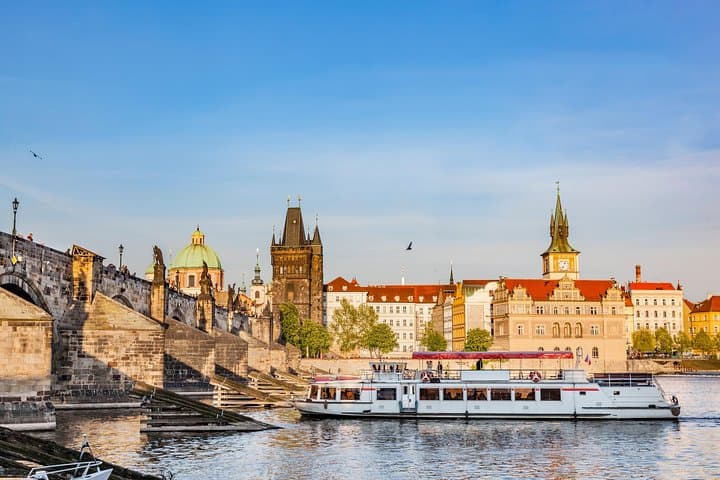
You step out onto the sun-warmed stone above the Vltava, and the city opens — red tile roofs, the river daring you to cross and the silhouette of St. Vitus rising from the castle walls. This four-hour walking tour begins at Prague Castle on the Hradčany hill, threads through courtyards and defensive ramparts, then descends into the 13th-century Lesser Town where Baroque facades crowd narrow streets.
You step out onto the sun-warmed stone above the Vltava, and the city opens — red tile roofs, the river daring you to cross and the silhouette of St. Vitus rising from the castle walls. This four-hour walking tour begins at Prague Castle on the Hradčany hill, threads through courtyards and defensive ramparts, then descends into the 13th-century Lesser Town where Baroque facades crowd narrow streets.
The route traces more than a millennium of Bohemian power: the castle complex has been the seat of rulers since the 9th century and, by area, ranks as the largest ancient castle in the world. Architectural layers are visible at a glance — Romanesque foundations of St. George's Basilica, Gothic vaults in St. Vitus, and 17th-century Baroque rebuilds in Lesser Town after fires and conflicts reshaped the neighborhood.
Geology is subtle here but important: the castle crowns a long ridge above the Vltava, lending sweepingly uneven streets and staircases that shaped defensive placement and later urban growth. Cultural life gathers in tucked gardens, artisan shops, and cafés that spill onto cobbles.
Practical guidance: expect about 3–4 miles of walking on uneven cobblestones and steps, with repeated elevation change descending from the castle to the river. Wear sturdy shoes, bring a small water bottle and layered outerwear for shifting weather, and allow time for admissions and photo stops at St. Vitus and Charles Bridge. Public transport access is nearby, and an English-speaking guide handles admissions included in the tour — ideal for history-minded travelers who want a compact, walkable primer on Prague's political and architectural heart.