THE ADVENTURE COLLECTIVE® · Independent discovery and booking for outdoor travel

Cross Charles Bridge, wander Mala Strana, then ride a tram up to Prague Castle on this flexible small-group walk. Learn the castle’s layered history while taking in sweeping views over the Vltava.
Cross Charles Bridge, wander Mala Strana, then ride a tram up to Prague Castle on this flexible small-group walk. Learn the castle’s layered history while taking in sweeping views over the Vltava.
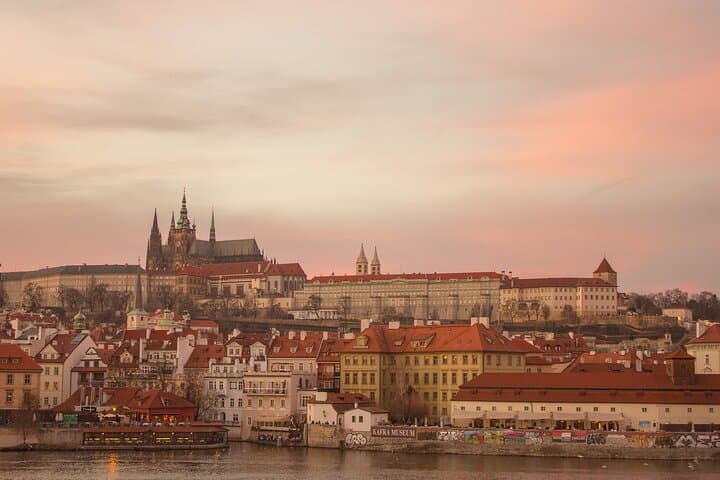
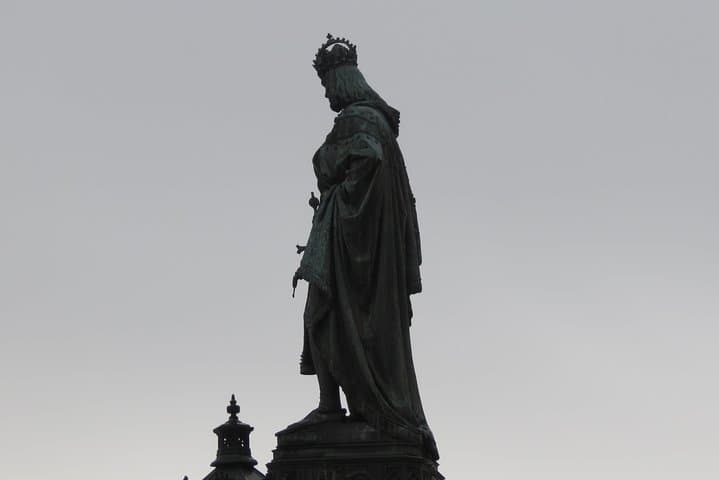
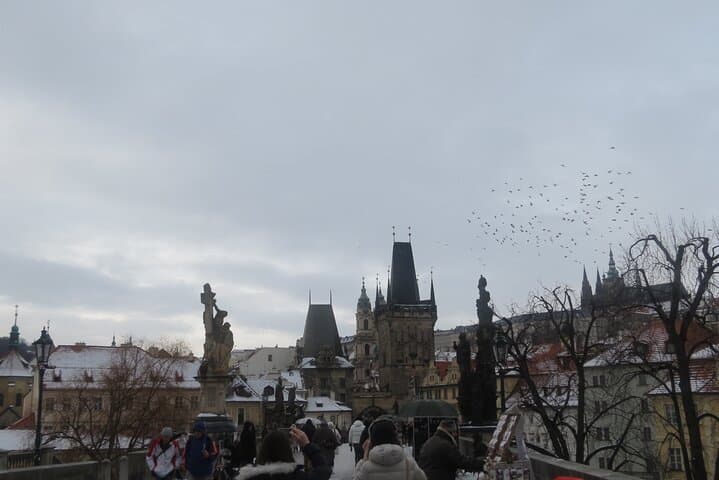
You step onto the patterned stones of Charles Bridge as the Vltava glides beneath, the city’s spires and baroque roofs arranging themselves like a map ahead. The guide pauses at the statue of Charles IV to draw out the bridge’s medieval myths, then leads the group toward Mala Strana where narrow lanes lean in close and everyday life threads through centuries-old façades.
Verified experiences and guided adventures in the surrounding area.
Operated by Heart of Europe · Prague, Prague
You step onto the patterned stones of Charles Bridge as the Vltava glides beneath, the city’s spires and baroque roofs arranging themselves like a map ahead. The guide pauses at the statue of Charles IV to draw out the bridge’s medieval myths, then leads the group toward Mala Strana where narrow lanes lean in close and everyday life threads through centuries-old façades.
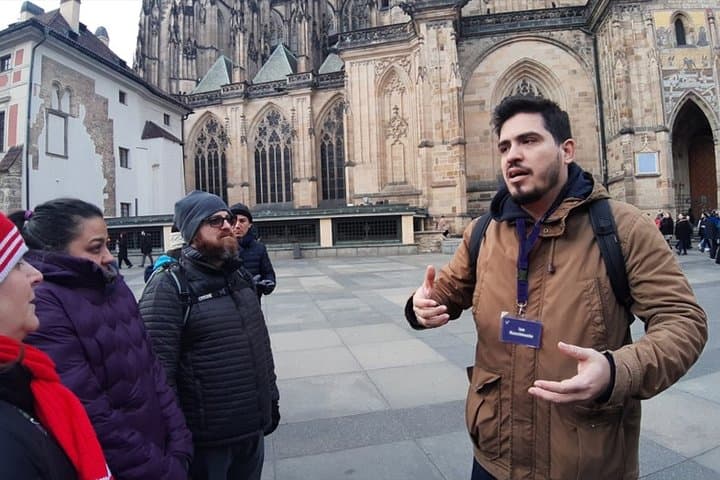
From there a short tram climb deposits you at Prague Castle, an ensemble that grew from Romanesque keep to a sprawling seat of power. The route takes you through successive courtyards, past the exterior of St. Vitus Cathedral and the changing of the guard; if interiors are closed for renovation the guide frames the architecture and history with clear context. Expect layered stone, carved portals, and views that push across the river toward the Old Town.
This walk ties history, politics and local life—Habsburg ceremonial spaces, Gothic vaulting, and neighborhoods where artisans and cafés continue long traditions—into a compact experience. The tour’s small-group format lets guides adapt pacing and answer questions about Prague’s urban geology and reconstruction after war and floods.
Practical notes: be ready for 2.5–3 hours on foot with cobbles and occasional steps; a tram ticket is included. Wear supportive shoes, carry a light waterproof, and aim for morning or late afternoon to avoid peak crowds. Bring a charged phone for photos and a bit of cash for small museum shops; stay with the group at gateways and courtyards where access rules can change seasonally.
easy.
2.5–3 hours.
Light walking fitness; comfortable standing and negotiating stairs for up to three hours.
Meet at the statue of Charles IV on the Old Town side of Charles Bridge; your confirmation will include exact meeting coordinates and time.
Access depends on renovation and service schedules—if interiors are closed the guide will explain the cathedral’s features from the exterior and through historical context.
Yes—the tour includes tram transportation up to Prague Castle; your guide handles tickets and directions for the short ride.
The tour is rated easy but includes cobbles and steps; travelers with limited mobility should contact the operator in advance to confirm accessibility and alternatives.
Prague Castle developed over a millennium and is often described as the largest ancient castle complex; Charles Bridge began construction under King Charles IV in the 14th century and replaced earlier crossings.
High visitor numbers put wear on historic stone and interiors; follow established paths, avoid touching fragile surfaces, and support conservation by using official guided access.
Heart of Europe operates guided outdoor trips and adventures with an emphasis on safety, stewardship, and memorable experiences.
You step onto the patterned stones of Charles Bridge as the Vltava glides beneath, the city’s spires and baroque roofs arranging themselves like a map ahead. The guide pauses at the statue of Charles IV to draw out the bridge’s medieval myths, then leads the group toward Mala Strana where narrow lanes lean in close and everyday life threads through centuries-old façades.
You step onto the patterned stones of Charles Bridge as the Vltava glides beneath, the city’s spires and baroque roofs arranging themselves like a map ahead. The guide pauses at the statue of Charles IV to draw out the bridge’s medieval myths, then leads the group toward Mala Strana where narrow lanes lean in close and everyday life threads through centuries-old façades.
From there a short tram climb deposits you at Prague Castle, an ensemble that grew from Romanesque keep to a sprawling seat of power. The route takes you through successive courtyards, past the exterior of St. Vitus Cathedral and the changing of the guard; if interiors are closed for renovation the guide frames the architecture and history with clear context. Expect layered stone, carved portals, and views that push across the river toward the Old Town.
This walk ties history, politics and local life—Habsburg ceremonial spaces, Gothic vaulting, and neighborhoods where artisans and cafés continue long traditions—into a compact experience. The tour’s small-group format lets guides adapt pacing and answer questions about Prague’s urban geology and reconstruction after war and floods.
Practical notes: be ready for 2.5–3 hours on foot with cobbles and occasional steps; a tram ticket is included. Wear supportive shoes, carry a light waterproof, and aim for morning or late afternoon to avoid peak crowds. Bring a charged phone for photos and a bit of cash for small museum shops; stay with the group at gateways and courtyards where access rules can change seasonally.