THE ADVENTURE COLLECTIVE® · Independent discovery and booking for outdoor travel

Walk beneath Baroque facades, explore secret gardens and hear the stories of Habsburg-era Prague in a concise 2–3 hour route. This guided tour visits monastery libraries, palaces and terraced gardens off the usual tourist track.
Walk beneath Baroque facades, explore secret gardens and hear the stories of Habsburg-era Prague in a concise 2–3 hour route. This guided tour visits monastery libraries, palaces and terraced gardens off the usual tourist track.
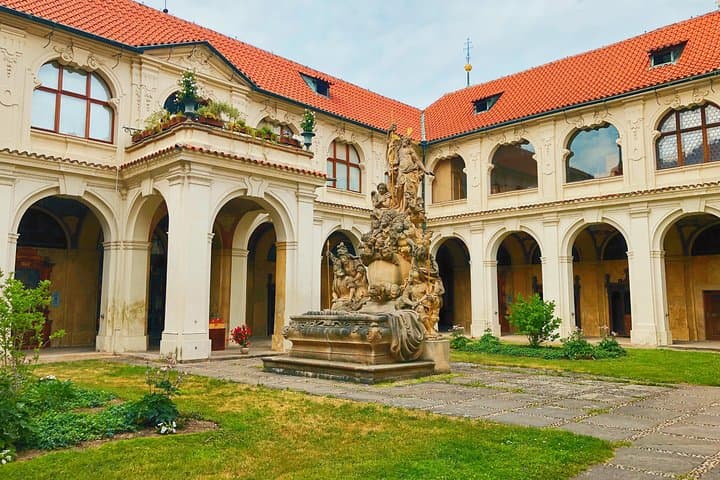
The tour opens on an old cobbled lane as morning light slides across ochre facades and the scent of damp stone rises from the Vltava's shoulder. You begin beneath the austere towers of Strahov, where a guide points out carved lintels and leads you through a route that threads silent cloisters, intimate palace courtyards and terraced Baroque gardens.
Verified experiences and guided adventures in the surrounding area.
Operated by Pigeon Tours · Prague, Prague
The tour opens on an old cobbled lane as morning light slides across ochre facades and the scent of damp stone rises from the Vltava's shoulder. You begin beneath the austere towers of Strahov, where a guide points out carved lintels and leads you through a route that threads silent cloisters, intimate palace courtyards and terraced Baroque gardens.
This walk traces Prague's 17th-century Baroque bloom brought by Habsburg patronage and Italian architects. Marble statues and balustrades recall a period when art and power circled the same plazas; Loreta chapel marks the city's Catholic revival and Waldstein Garden preserves a noble estate now used by the Czech senate. Geology here is subtle — the city rests on compacted river gravels and limestone outcrops that allowed terraces and cellars to be dug into slopes above the river.
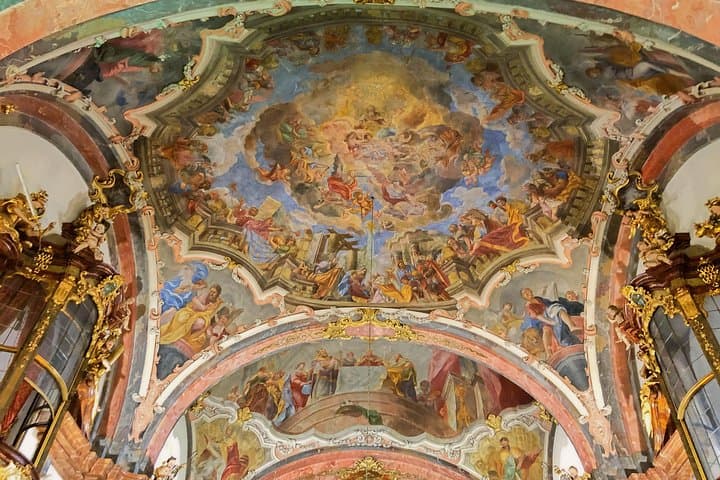
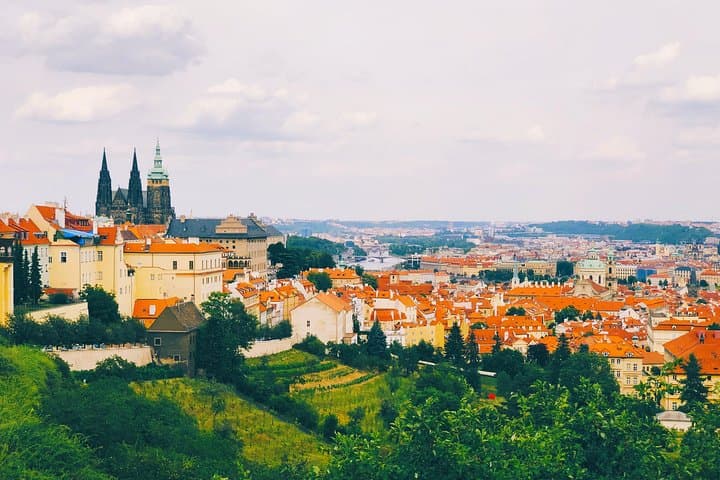
Locals treat these gardens as places of quiet spectacle: peacocks roam at Waldstein, vines climb palace walls, and bees still work the herb beds. Expect cobbles, short staircases and narrow alleys rather than long uphill climbs. The experience is sensory and historical — frescoed ceilings, rustling plane trees, and views back to Prague Castle.
Practicalities: plan 2–3 hours, bring comfortable walking shoes and a light layer; mornings are best for softer light and fewer crowds. Many stops are compact and require modest walking between sites; some interior rooms may have admission or limited entry, so check the operator's details if you want to enter specific palaces. Respect sacred spaces by dressing appropriately and keeping voices low in chapels and cloisters.
easy.
2–3 hours.
Suitable for most fitness levels; requires standing and walking on uneven cobbles for up to a few hours.
The itinerary runs approximately 2–3 hours, depending on group pace and time spent at each stop.
Several gardens and palaces on the route note admission included in the itinerary, but confirm on booking for specific interiors you wish to enter.
Yes; the tour is rated easy, though some short staircases and cobbles may be challenging for limited mobility—contact the operator about accessibility.
Meeting details are provided at booking; the route typically begins near Strahov Monastery and finishes at Waldstein Garden near Malá Strana.
Prague's Baroque transformation accelerated under Habsburg rule in the 17th century when wealthy patrons imported Italian styles to assert power through architecture and garden design.
These historic gardens are fragile; stick to paths, avoid picking plants and support local preservation by following site rules and limiting group size impact.
Pigeon Tours operates guided outdoor trips and adventures with an emphasis on safety, stewardship, and memorable experiences.

The tour opens on an old cobbled lane as morning light slides across ochre facades and the scent of damp stone rises from the Vltava's shoulder. You begin beneath the austere towers of Strahov, where a guide points out carved lintels and leads you through a route that threads silent cloisters, intimate palace courtyards and terraced Baroque gardens.
The tour opens on an old cobbled lane as morning light slides across ochre facades and the scent of damp stone rises from the Vltava's shoulder. You begin beneath the austere towers of Strahov, where a guide points out carved lintels and leads you through a route that threads silent cloisters, intimate palace courtyards and terraced Baroque gardens.
This walk traces Prague's 17th-century Baroque bloom brought by Habsburg patronage and Italian architects. Marble statues and balustrades recall a period when art and power circled the same plazas; Loreta chapel marks the city's Catholic revival and Waldstein Garden preserves a noble estate now used by the Czech senate. Geology here is subtle — the city rests on compacted river gravels and limestone outcrops that allowed terraces and cellars to be dug into slopes above the river.
Locals treat these gardens as places of quiet spectacle: peacocks roam at Waldstein, vines climb palace walls, and bees still work the herb beds. Expect cobbles, short staircases and narrow alleys rather than long uphill climbs. The experience is sensory and historical — frescoed ceilings, rustling plane trees, and views back to Prague Castle.
Practicalities: plan 2–3 hours, bring comfortable walking shoes and a light layer; mornings are best for softer light and fewer crowds. Many stops are compact and require modest walking between sites; some interior rooms may have admission or limited entry, so check the operator's details if you want to enter specific palaces. Respect sacred spaces by dressing appropriately and keeping voices low in chapels and cloisters.