THE ADVENTURE COLLECTIVE® · Independent discovery and booking for outdoor travel

Walk Prague’s recent past on a focused two-hour tour that visits former secret police buildings and Velvet Revolution memorials. Guides with lived experience bring Cold War stories to the cobblestones—ideal for history-minded travelers who want a compact, informative walk.
Walk Prague’s recent past on a focused two-hour tour that visits former secret police buildings and Velvet Revolution memorials. Guides with lived experience bring Cold War stories to the cobblestones—ideal for history-minded travelers who want a compact, informative walk.
You step off the tram into a grey morning and the city answers in stone and echo—cobblestones nudging your boots, façade shutters closing like lids on old secrets. This two-hour walking tour threads through central Prague, moving from the former headquarters of the Czechoslovak secret police to quiet memorials where the Velvet Revolution turned private grief into public voice.
Verified experiences and guided adventures in the surrounding area.
Operated by Spectrum Tours · Prague, Prague
You step off the tram into a grey morning and the city answers in stone and echo—cobblestones nudging your boots, façade shutters closing like lids on old secrets. This two-hour walking tour threads through central Prague, moving from the former headquarters of the Czechoslovak secret police to quiet memorials where the Velvet Revolution turned private grief into public voice.
Prague’s streets are historical strata: Baroque and modern facades sitting over older masonry, sandstone and granite quarried from the Bohemian Massif. The tour lays out 20th-century history against that older geology, making the Cold War feel like a recent layer pressed into a much older city. Guides—often people who lived through the era—mix eyewitness detail with cultural context: rationing, surveillance, samizdat presses, and how everyday life adapted under state control.
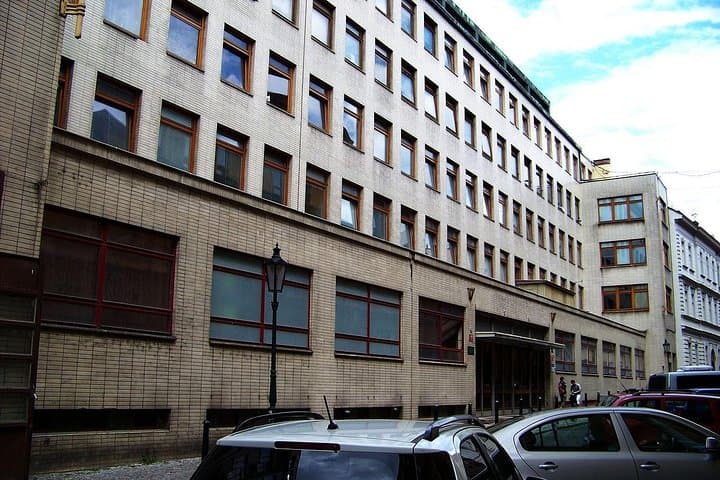
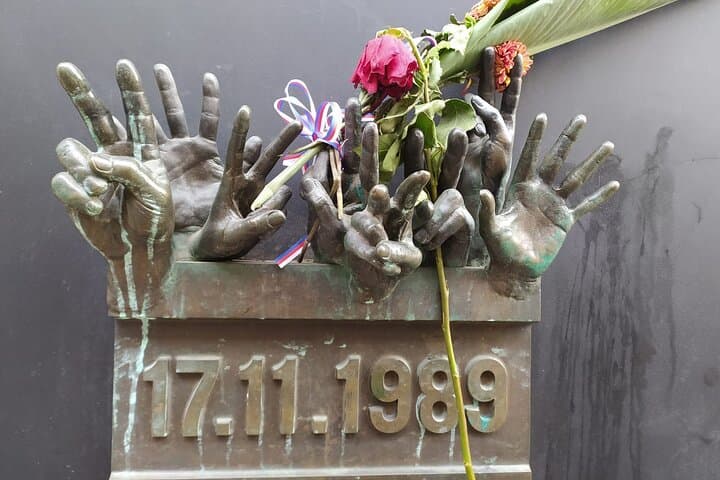
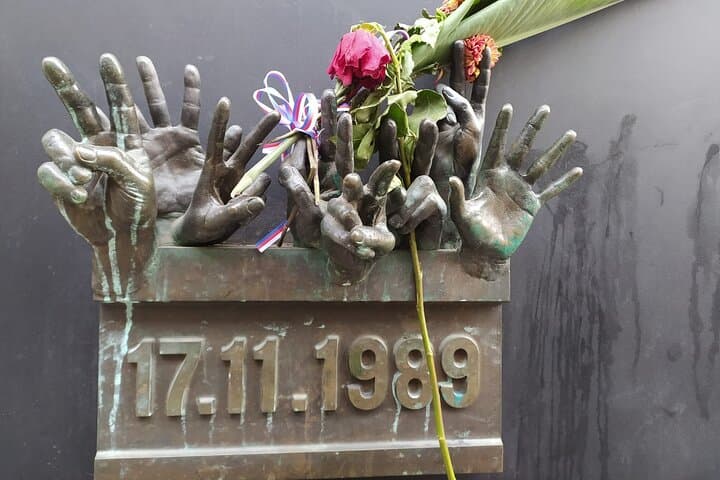
Expect close-up storytelling at sites such as a former secret police office, a memorial to Velvet Revolution victims, and lesser-known corners where graffiti and preserved posters still mark dissent. The pace is deliberate; cobbles and short stairs slow you into listening. Bring a jacket—the wind off the Vltava can cut through thin layers—and wear shoes that handle uneven sidewalks.
Practical notes: the route is compact (roughly 1.5–2 miles) and suitable for most fitness levels but involves standing during explanations. Public transit options are close to start and finish; tours are often bilingual or in English. Photography is usually allowed, but be respectful at memorials.
This is a walking history with a practical focus—learn the facts, hear the voices, and leave with a clearer sense of how Prague’s recent past shaped its present.
easy.
2 hours.
Suitable for most fitness levels; requires standing and short walking distances over uneven pavements
The operator lists accessibility options; much of the route is on public streets and tram access is nearby, but cobbles and occasional steps may limit full wheelchair access—check with the provider before booking.
Tours are commonly offered in English; some guides speak additional languages—confirm language at booking.
Meetings are typically near a central tram or metro stop in Prague’s center; the finish is also centrally located with easy transit links—exact points are provided on your booking confirmation.
Yes—content is historical and appropriate for older children; operators note children must be accompanied by an adult and some material may be serious in tone.
Czechoslovakia lived under communist rule from 1948 until the Velvet Revolution of 1989; Prague’s cityscape still bears physical and cultural marks from that period.
Small-group walking tours minimize wear on fragile sites—visitors should stick to paths, avoid touching memorial plaques, and support local museums that preserve documents and oral histories.
Spectrum Tours operates guided outdoor trips and adventures with an emphasis on safety, stewardship, and memorable experiences.
You step off the tram into a grey morning and the city answers in stone and echo—cobblestones nudging your boots, façade shutters closing like lids on old secrets. This two-hour walking tour threads through central Prague, moving from the former headquarters of the Czechoslovak secret police to quiet memorials where the Velvet Revolution turned private grief into public voice.
You step off the tram into a grey morning and the city answers in stone and echo—cobblestones nudging your boots, façade shutters closing like lids on old secrets. This two-hour walking tour threads through central Prague, moving from the former headquarters of the Czechoslovak secret police to quiet memorials where the Velvet Revolution turned private grief into public voice.
Prague’s streets are historical strata: Baroque and modern facades sitting over older masonry, sandstone and granite quarried from the Bohemian Massif. The tour lays out 20th-century history against that older geology, making the Cold War feel like a recent layer pressed into a much older city. Guides—often people who lived through the era—mix eyewitness detail with cultural context: rationing, surveillance, samizdat presses, and how everyday life adapted under state control.
Expect close-up storytelling at sites such as a former secret police office, a memorial to Velvet Revolution victims, and lesser-known corners where graffiti and preserved posters still mark dissent. The pace is deliberate; cobbles and short stairs slow you into listening. Bring a jacket—the wind off the Vltava can cut through thin layers—and wear shoes that handle uneven sidewalks.
Practical notes: the route is compact (roughly 1.5–2 miles) and suitable for most fitness levels but involves standing during explanations. Public transit options are close to start and finish; tours are often bilingual or in English. Photography is usually allowed, but be respectful at memorials.
This is a walking history with a practical focus—learn the facts, hear the voices, and leave with a clearer sense of how Prague’s recent past shaped its present.