THE ADVENTURE COLLECTIVE® · Independent discovery and booking for outdoor travel

Explore Prague’s creative north—Holešovice galleries, Karlín’s post‑flood rebirth, and Žižkov’s bohemian streets—on a focused three‑hour walking tour that blends history, urban geology and local culture.
Explore Prague’s creative north—Holešovice galleries, Karlín’s post‑flood rebirth, and Žižkov’s bohemian streets—on a focused three‑hour walking tour that blends history, urban geology and local culture.
You step off the tram into Holesovice and the city changes its pace: the Vltava hums nearby, market stalls flash color, and the Štvanická footbridge angles toward Karlín like a deliberate invitation.
Verified experiences and guided adventures in the surrounding area.
Operated by Prague Pulse Tours · Prague, Prague
You step off the tram into Holesovice and the city changes its pace: the Vltava hums nearby, market stalls flash color, and the Štvanická footbridge angles toward Karlín like a deliberate invitation.
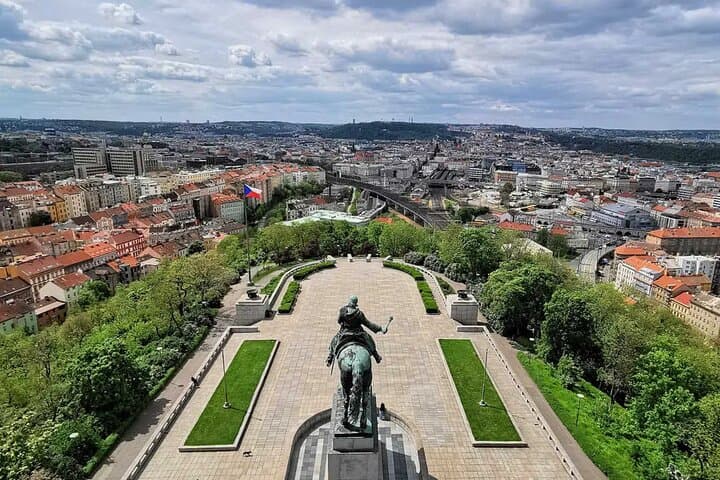
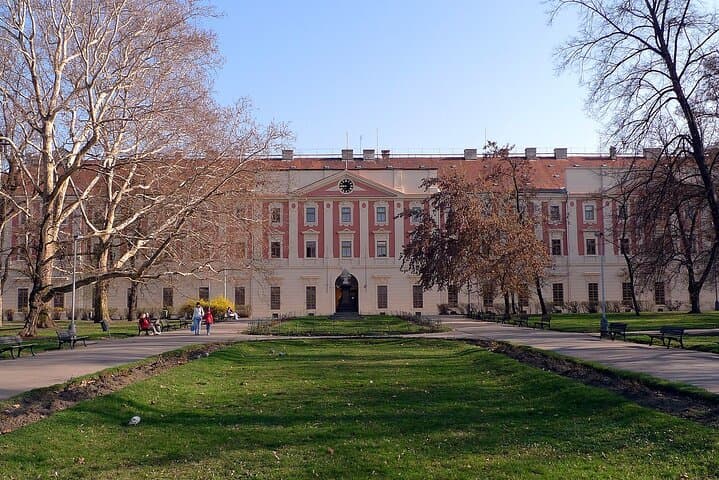
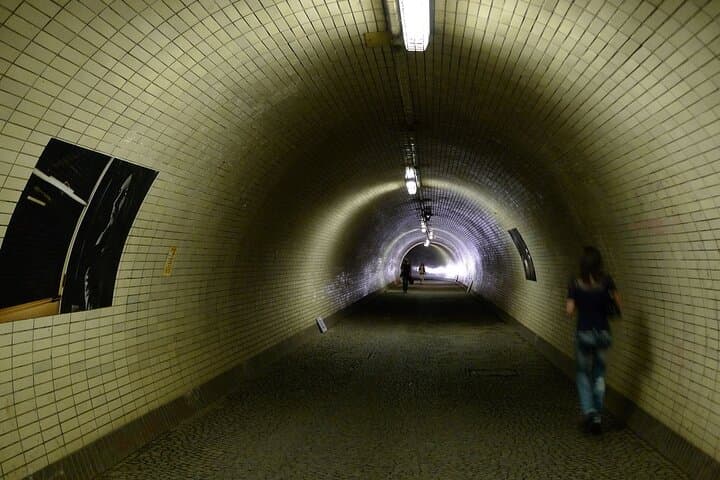
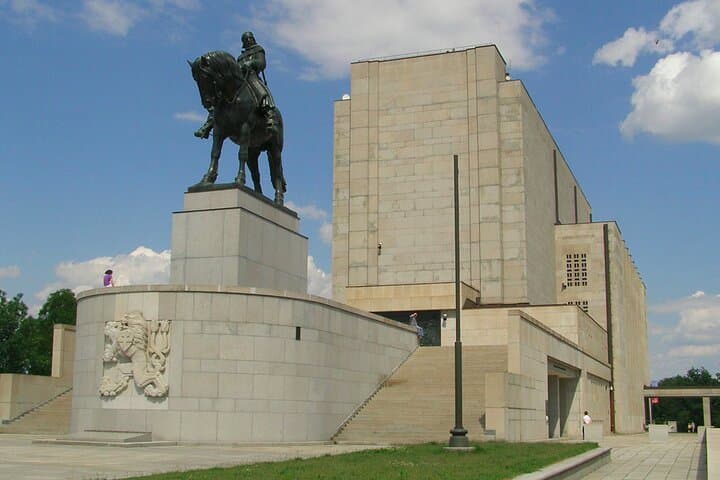
This three-hour walking tour threads modern creative districts and working-class history. Holešovice grew from industrial yards to warehouses turned galleries; the market began as a place for livestock and now sells everything from produce to design objects. Karlín reads as a story of recovery—floodwaters in 2002 forced a reinvention of streets and facades; today sleek cafes and office blocks sit beside repaired Art Nouveau buildings. In Žižkov, laneways and pubs carry a bohemian pulse and the Žižkov Tunnel’s Cold War-era role as shelter and hospital gives the neighborhood a pragmatic, layered character. Vítkov Hill rises with its enormous equestrian monument and views that orient the walker over Prague’s orange roofs.
Geology here is urbanized river plain: the Vltava carved low terraces that determined industry, markets and bridges. Culture is improvised—studios, squat galleries and veteran meeting halls reframe old uses.
Practical guidance: wear supportive shoes for cobbles and uneven paths, bring a light rain layer (Prague weather shifts fast), and plan mornings for the market and clearer light at Vítkov. Public transport is excellent—trams and metro drop you close to start points. Expect moderate walking, plenty of stops for storytelling, and a guide who balances historical detail with local tips. Keep an eye on the river: it remembers its floods and shapes neighborhood life to this day.
easy.
3 hours.
Suitable for most fitness levels; requires continuous walking with occasional stairs and short slopes.
The tour lasts approximately three hours and includes multiple short stops at points of interest.
Parts of the route are stroller-friendly, but cobblestones and occasional steps may require an alternative or a collapsed stroller.
Meeting points are typically near a central tram stop in Holešovice—confirm exact location on your booking voucher or with your guide.
Yes—this is rated physically easy, though participants should manage short walks, stairs and variable surfaces.
These neighborhoods evolved from industrial and military uses into creative and residential districts; a major flood in 2002 accelerated Karlín’s modernization.
Respect the Vltava’s flood history by staying on established paths, supporting local businesses, and avoiding litter in market and riverbank areas.
Prague Pulse Tours operates guided outdoor trips and adventures with an emphasis on safety, stewardship, and memorable experiences.
You step off the tram into Holesovice and the city changes its pace: the Vltava hums nearby, market stalls flash color, and the Štvanická footbridge angles toward Karlín like a deliberate invitation.
You step off the tram into Holesovice and the city changes its pace: the Vltava hums nearby, market stalls flash color, and the Štvanická footbridge angles toward Karlín like a deliberate invitation.
This three-hour walking tour threads modern creative districts and working-class history. Holešovice grew from industrial yards to warehouses turned galleries; the market began as a place for livestock and now sells everything from produce to design objects. Karlín reads as a story of recovery—floodwaters in 2002 forced a reinvention of streets and facades; today sleek cafes and office blocks sit beside repaired Art Nouveau buildings. In Žižkov, laneways and pubs carry a bohemian pulse and the Žižkov Tunnel’s Cold War-era role as shelter and hospital gives the neighborhood a pragmatic, layered character. Vítkov Hill rises with its enormous equestrian monument and views that orient the walker over Prague’s orange roofs.
Geology here is urbanized river plain: the Vltava carved low terraces that determined industry, markets and bridges. Culture is improvised—studios, squat galleries and veteran meeting halls reframe old uses.
Practical guidance: wear supportive shoes for cobbles and uneven paths, bring a light rain layer (Prague weather shifts fast), and plan mornings for the market and clearer light at Vítkov. Public transport is excellent—trams and metro drop you close to start points. Expect moderate walking, plenty of stops for storytelling, and a guide who balances historical detail with local tips. Keep an eye on the river: it remembers its floods and shapes neighborhood life to this day.