THE ADVENTURE COLLECTIVE® · Independent discovery and booking for outdoor travel

Skip the long queues and move straight into Madrid’s artistic core with a fast-track Prado tour. See Velázquez, Goya, and Bosch with an expert guide, then opt for tapas to continue the conversation in classic Spanish style.
Skip the long queues and move straight into Madrid’s artistic core with a fast-track Prado tour. See Velázquez, Goya, and Bosch with an expert guide, then opt for tapas to continue the conversation in classic Spanish style.
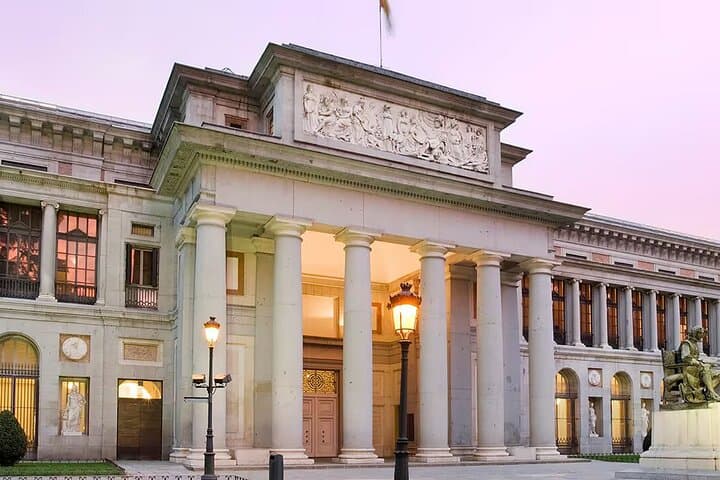
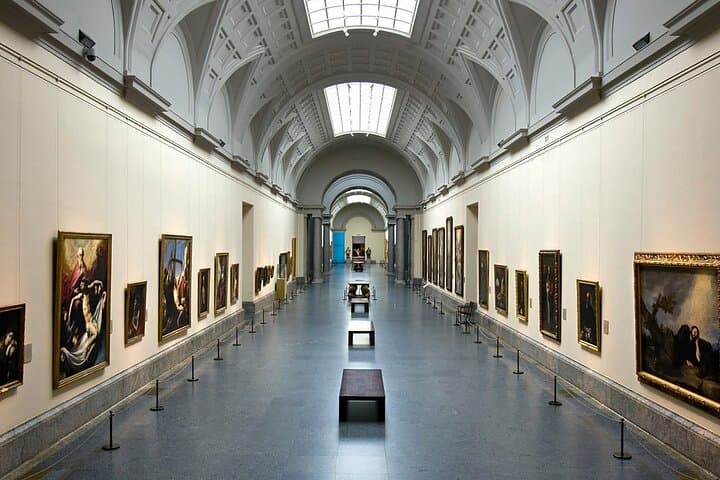
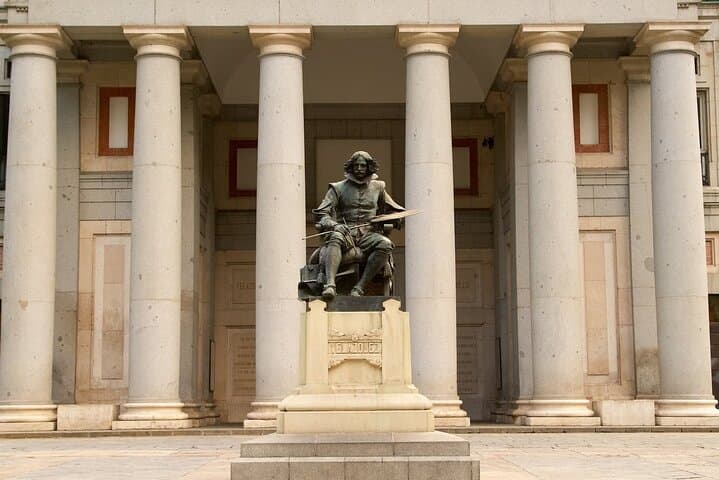
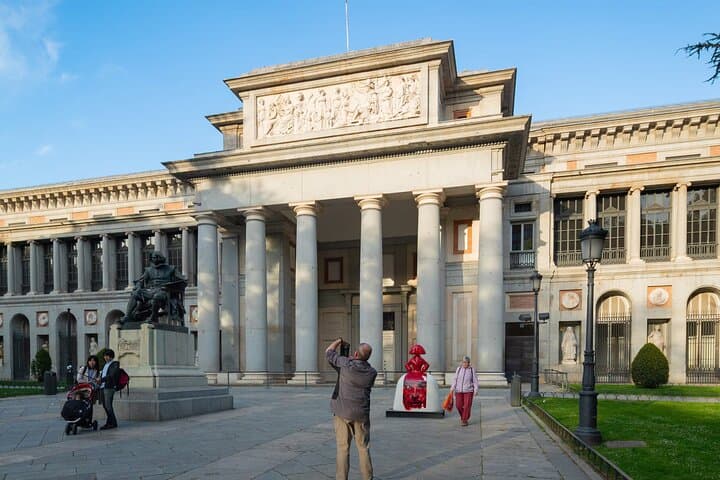
You step off the Paseo del Prado into a cool, hushed gallery where light pools on gilt frames and the hush feels deliberate—art asking for attention rather than demand. The building’s stone façade gives way to long corridors; paintings hang like chapters, each room changing the pace of the visit.
Verified experiences and guided adventures in the surrounding area.
Operated by TRIP ROMA SERVICE AGENCY · Madrid, Community of Madrid
You step off the Paseo del Prado into a cool, hushed gallery where light pools on gilt frames and the hush feels deliberate—art asking for attention rather than demand. The building’s stone façade gives way to long corridors; paintings hang like chapters, each room changing the pace of the visit.
Founded in 1819 to display Spain’s royal collection, the Prado traces European art from medieval religious panels to Romantic and Baroque masters. Architecturally, the museum occupies a neoclassical shell by Juan de Villanueva, its rooms arranged to lead the eye from small devotional panels to monumental canvases such as Velázquez’s Las Meninas and Goya’s The Third of May 1808. The nearby Royal Botanical Garden and the boulevard’s plane trees give the quarter a quieter, living edge—walkable, resilient, and distinctly urban.
On a fast-track tour you’ll move with purpose: prioritized entry, an expert guide to highlight technique and context, and a focused path through signature works to avoid museum fatigue. Choose the tapas add-on to shift from gallery notes to local flavors—a flattering way to continue conversation about color, shadow, and history.
Practicalities: bring comfortable shoes and a water bottle, plan for roughly 1.5–2 hours, and arrive slightly early to clear security. Photography rules vary by room—follow signage and the guide’s directions to protect fragile pigments. Use public transit to reduce time hunting parking and respect gallery etiquette: quiet voices, small bags, and minimal phone use help preserve the experience for everyone.
easy.
1.5–2 hours.
Minimal fitness required; comfortable standing and walking ability recommended
The guided experience runs about 110 minutes (roughly 1.5–2 hours), covering major highlights with expert commentary.
The tour provides priority entry through a fast track line, but arrival early and following instructions shortens wait times further.
Yes—this tour is suitable for all ages, though infants are required to sit on an adult’s lap and pacing may need adjusting for young children.
The standard tour does not include food, but a tapas tasting option is offered as an add-on to continue the cultural experience after the museum visit.
The Prado opened in 1819 to house the Spanish royal collection and occupies a neoclassical building by Juan de Villanueva, evolving through 19th-century expansions to become one of Europe’s premier art museums.
The museum maintains climate-controlled galleries and active conservation labs; visitors help preservation efforts by following photography rules and minimizing bag contact with artworks.
TRIP ROMA SERVICE AGENCY operates guided outdoor trips and adventures with an emphasis on safety, stewardship, and memorable experiences.
You step off the Paseo del Prado into a cool, hushed gallery where light pools on gilt frames and the hush feels deliberate—art asking for attention rather than demand. The building’s stone façade gives way to long corridors; paintings hang like chapters, each room changing the pace of the visit.
You step off the Paseo del Prado into a cool, hushed gallery where light pools on gilt frames and the hush feels deliberate—art asking for attention rather than demand. The building’s stone façade gives way to long corridors; paintings hang like chapters, each room changing the pace of the visit.
Founded in 1819 to display Spain’s royal collection, the Prado traces European art from medieval religious panels to Romantic and Baroque masters. Architecturally, the museum occupies a neoclassical shell by Juan de Villanueva, its rooms arranged to lead the eye from small devotional panels to monumental canvases such as Velázquez’s Las Meninas and Goya’s The Third of May 1808. The nearby Royal Botanical Garden and the boulevard’s plane trees give the quarter a quieter, living edge—walkable, resilient, and distinctly urban.
On a fast-track tour you’ll move with purpose: prioritized entry, an expert guide to highlight technique and context, and a focused path through signature works to avoid museum fatigue. Choose the tapas add-on to shift from gallery notes to local flavors—a flattering way to continue conversation about color, shadow, and history.
Practicalities: bring comfortable shoes and a water bottle, plan for roughly 1.5–2 hours, and arrive slightly early to clear security. Photography rules vary by room—follow signage and the guide’s directions to protect fragile pigments. Use public transit to reduce time hunting parking and respect gallery etiquette: quiet voices, small bags, and minimal phone use help preserve the experience for everyone.