THE ADVENTURE COLLECTIVE® · Independent discovery and booking for outdoor travel

Learn Iai Heiho — a samurai-era sword art — in a one-hour private session near Ikebukuro. This traveler-friendly class uses mock weapons, offers kimono rental, and is taught by a Hanshi 8-dan instructor with decades of experience.
Learn Iai Heiho — a samurai-era sword art — in a one-hour private session near Ikebukuro. This traveler-friendly class uses mock weapons, offers kimono rental, and is taught by a Hanshi 8-dan instructor with decades of experience.
Step off the subway in Ikebukuro and into a quiet studio where the wooden floor remembers the sound of blades. The instructor’s voice cuts through the hum of the city as students bow and settle into posture — simple movements that carry five centuries of discipline.
Verified experiences and guided adventures in the surrounding area.
Operated by Shuminavi Inc. · Tokyo, Tokyo
Step off the subway in Ikebukuro and into a quiet studio where the wooden floor remembers the sound of blades. The instructor’s voice cuts through the hum of the city as students bow and settle into posture — simple movements that carry five centuries of discipline.
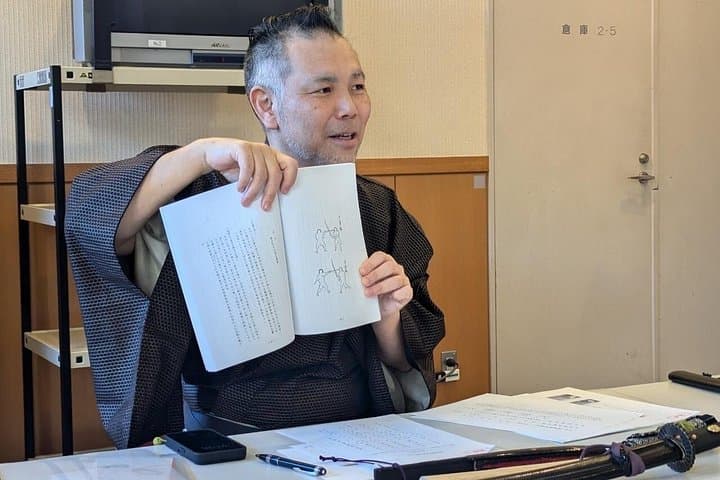
Iai Heiho evolved in the Muromachi Period as a quick-draw art for samurai; modern classes focus on posture, etiquette, and the psychology of timing rather than combat. The Kanto Plain beyond the windows has shifted but the fundamentals endure: respect for the sword, measured breathing, and precise footwork. At Studio Roze, instruction emphasizes clear, repeatable drills taught by an instructor with 37 years’ training and a Hanshi 8-dan rank.
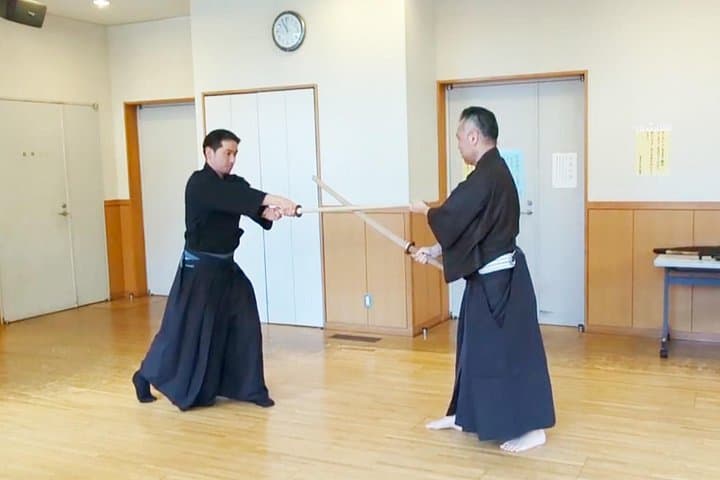
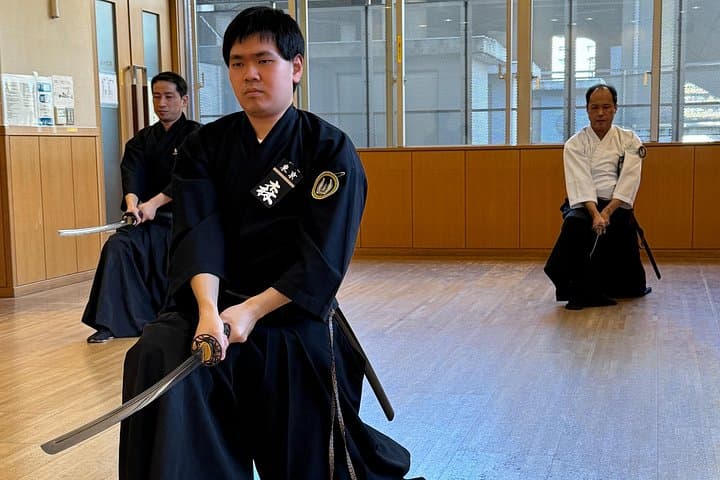
Expect a one-hour private session: an introduction to the mock katana, optional yari and naginata demonstrations, basic cuts and draws, and traditional etiquette (rei and bowing). Kimonos and hakama are available but limited by size. The class suits beginners and travelers; physical demands are low but the practice asks for focus and core stability.
Practical tips: arrive 10–15 minutes early by JR or subway to stretch and change; wear breathable layers and slip-on shoes for changing; bring a small bottle of water. Note medical restrictions for back or heart conditions and pregnancy. Photography is usually welcome but follow instructor cues. For a compact dose of Japanese martial culture in central Tokyo, this session pairs authentic lineage with traveler-friendly pacing — an exacting, surprisingly serene way to touch history without leaving the city.
easy.
1 hour.
Suitable for most fitness levels; requires basic balance, standing for short periods, and light core strength.
No—classes are taught for beginners with step-by-step instruction and no prior skill required.
No—only mock swords are used for practice; yari and naginata are also available as inert training tools.
Kimonos and hakama are available to rent but sizes and quantities are limited, so arrive early or request availability when booking.
Full refund available if you cancel at least 24 hours before the scheduled time; last-minute cancellations are non-refundable.
Iai Heiho originated during the Muromachi Period as a samurai quick-draw discipline; modern practice preserves etiquette and measured technique more than battlefield use.
The studio minimizes waste by sharing rental garments and promotes respectful handling of cultural equipment; visitors are asked to honor rules that protect historic practice.
Shuminavi Inc. operates guided outdoor trips and adventures with an emphasis on safety, stewardship, and memorable experiences.
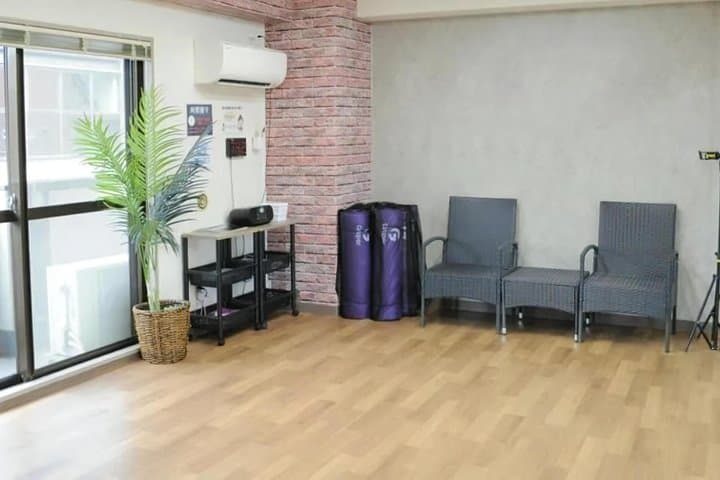
Step off the subway in Ikebukuro and into a quiet studio where the wooden floor remembers the sound of blades. The instructor’s voice cuts through the hum of the city as students bow and settle into posture — simple movements that carry five centuries of discipline.
Step off the subway in Ikebukuro and into a quiet studio where the wooden floor remembers the sound of blades. The instructor’s voice cuts through the hum of the city as students bow and settle into posture — simple movements that carry five centuries of discipline.
Iai Heiho evolved in the Muromachi Period as a quick-draw art for samurai; modern classes focus on posture, etiquette, and the psychology of timing rather than combat. The Kanto Plain beyond the windows has shifted but the fundamentals endure: respect for the sword, measured breathing, and precise footwork. At Studio Roze, instruction emphasizes clear, repeatable drills taught by an instructor with 37 years’ training and a Hanshi 8-dan rank.
Expect a one-hour private session: an introduction to the mock katana, optional yari and naginata demonstrations, basic cuts and draws, and traditional etiquette (rei and bowing). Kimonos and hakama are available but limited by size. The class suits beginners and travelers; physical demands are low but the practice asks for focus and core stability.
Practical tips: arrive 10–15 minutes early by JR or subway to stretch and change; wear breathable layers and slip-on shoes for changing; bring a small bottle of water. Note medical restrictions for back or heart conditions and pregnancy. Photography is usually welcome but follow instructor cues. For a compact dose of Japanese martial culture in central Tokyo, this session pairs authentic lineage with traveler-friendly pacing — an exacting, surprisingly serene way to touch history without leaving the city.