THE ADVENTURE COLLECTIVE® · Independent discovery and booking for outdoor travel

A concise, practical guide to performing Umrah in Makkah: what the rituals involve, how long it takes, and sensible tips on timing, dress, and logistics to make the visit smoother.
A concise, practical guide to performing Umrah in Makkah: what the rituals involve, how long it takes, and sensible tips on timing, dress, and logistics to make the visit smoother.
You arrive at the edge of the Grand Mosque just as the sun softens the stone; the Kaaba dominates the courtyard, black cloth absorbing light while the crowd moves around it like a steady tide.
Verified experiences and guided adventures in the surrounding area.
Operated by Makkah Tour · Makkah, Makkah Province
You arrive at the edge of the Grand Mosque just as the sun softens the stone; the Kaaba dominates the courtyard, black cloth absorbing light while the crowd moves around it like a steady tide.
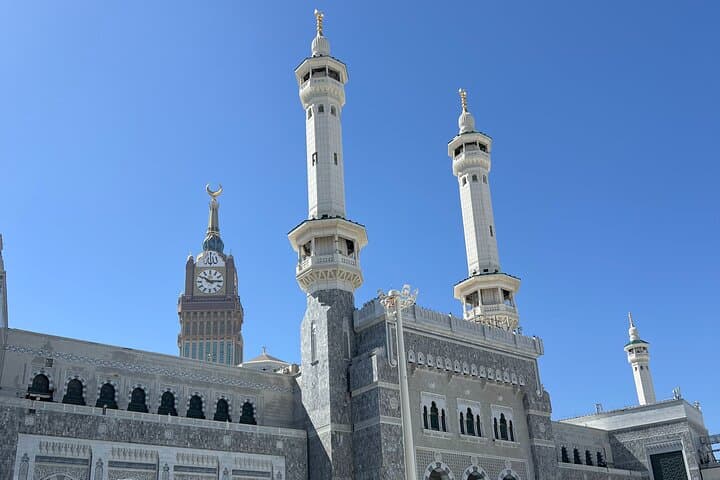
This guided Umrah experience walks you through the core rites—niyyah (intention), seven circuits of Tawaf around the Kaaba, brief prayers at Maqam Ibrahim, seven trips between Safa and Marwah (Sa’i), and the final hair cut or trim. Makkah sits in the Hijaz valley; its built environment reflects centuries of pilgrimage-focused expansion, from the simple black-cubed Kaaba recorded in early Islamic texts to the modern multi-level mosque complex that hosts millions annually.
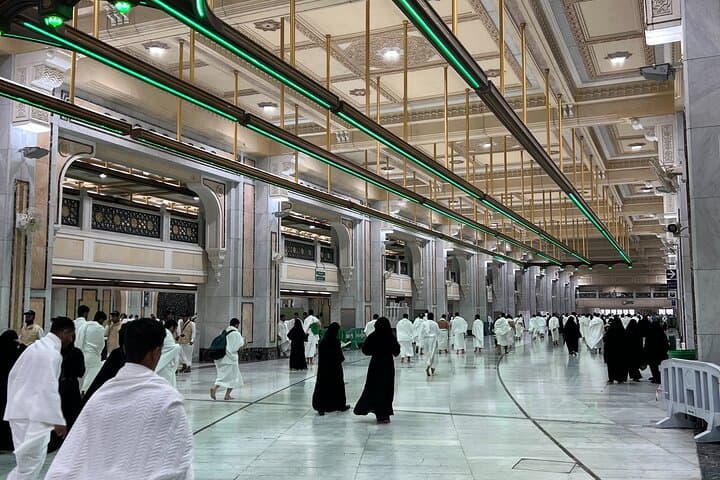
Culturally, Umrah is intimate and procedural: modest dress, quiet reverence, and attention to queueing and gender-specific areas. The city’s heat and crowds shape the practical experience—shade, air-conditioning, and bottled water are constant companions.
Expect a half-day commitment (roughly 4–6 hours including travel and pauses). Travel logistics are straightforward: many operators include airport pickup or Haramain express train transfers. Wear light, modest clothing and slip-on shoes for frequent shoe removal. Bring bottled water, sun protection, and a small bag for footwear. If you’re first-time pilgrim, a knowledgeable guide helps with pronunciation of prayers, local etiquette, and efficient routing through busy areas.
Plan arrival time outside peak prayer windows if you prefer less congestion; during Ramadan and the Hajj season, anticipate far longer queues. Accessibility options exist, but confirm wheelchair-accessible pickup and routes in advance. With preparation, the ritual sequence becomes orderly rather than overwhelming—methodical steps that center the visit and let you focus on the spiritual practice itself.
easy.
4–6 hours.
Suitable for most fitness levels; expect walking on flat but crowded surfaces and short standing periods.
No—Umrah is a pilgrimage ritual reserved for Muslims; entry to the holy precincts of the Grand Mosque is restricted accordingly.
The guided sequence itself can take 1–2 hours, but with travel, crowding, and pauses, budget 4–6 hours total as provided by most operators.
Yes—many routes and transport options are wheelchair-accessible, but confirm accessibility at booking and request wheelchair-friendly pickup and mosque routing.
International travelers need the appropriate Saudi visa for pilgrimage; check current entry requirements and have passport details ready when booking.
Makkah’s central ritual site, the Kaaba, predates Islam in Arabian history and became the focal point of Islamic pilgrimage centuries ago; the Grand Mosque has repeatedly expanded to accommodate growing numbers of pilgrims.
Municipal efforts focus on crowd-control infrastructure, waste management, and clean-water provision; pilgrims are encouraged to minimize disposable waste and follow designated disposal and recycling points.
Makkah Tour operates guided outdoor trips and adventures with an emphasis on safety, stewardship, and memorable experiences.
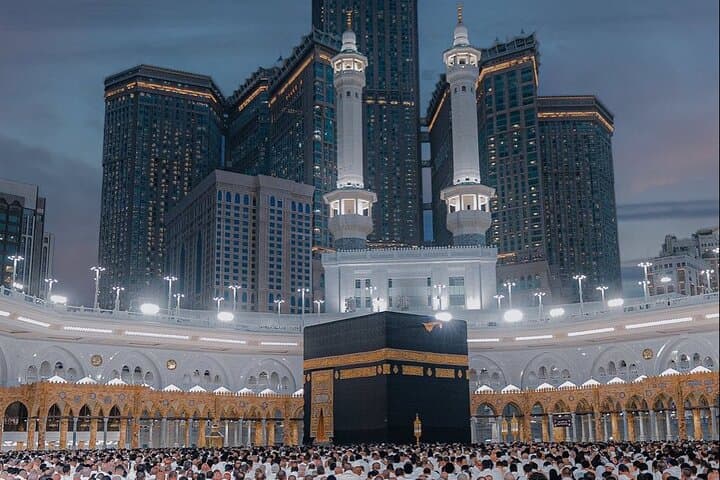
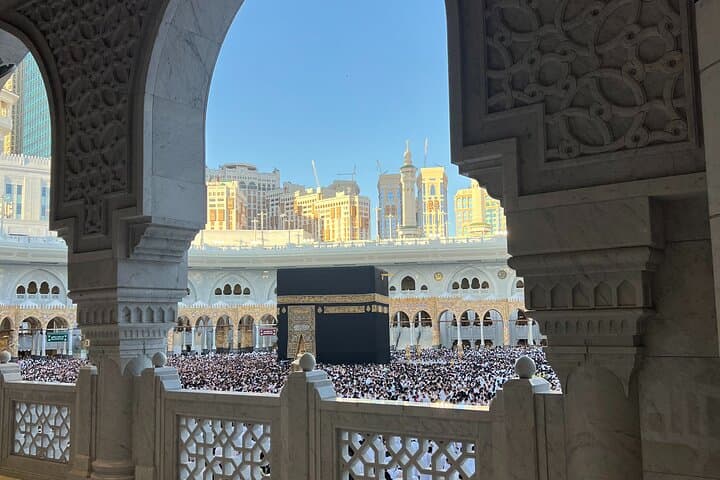
You arrive at the edge of the Grand Mosque just as the sun softens the stone; the Kaaba dominates the courtyard, black cloth absorbing light while the crowd moves around it like a steady tide.
You arrive at the edge of the Grand Mosque just as the sun softens the stone; the Kaaba dominates the courtyard, black cloth absorbing light while the crowd moves around it like a steady tide.
This guided Umrah experience walks you through the core rites—niyyah (intention), seven circuits of Tawaf around the Kaaba, brief prayers at Maqam Ibrahim, seven trips between Safa and Marwah (Sa’i), and the final hair cut or trim. Makkah sits in the Hijaz valley; its built environment reflects centuries of pilgrimage-focused expansion, from the simple black-cubed Kaaba recorded in early Islamic texts to the modern multi-level mosque complex that hosts millions annually.
Culturally, Umrah is intimate and procedural: modest dress, quiet reverence, and attention to queueing and gender-specific areas. The city’s heat and crowds shape the practical experience—shade, air-conditioning, and bottled water are constant companions.
Expect a half-day commitment (roughly 4–6 hours including travel and pauses). Travel logistics are straightforward: many operators include airport pickup or Haramain express train transfers. Wear light, modest clothing and slip-on shoes for frequent shoe removal. Bring bottled water, sun protection, and a small bag for footwear. If you’re first-time pilgrim, a knowledgeable guide helps with pronunciation of prayers, local etiquette, and efficient routing through busy areas.
Plan arrival time outside peak prayer windows if you prefer less congestion; during Ramadan and the Hajj season, anticipate far longer queues. Accessibility options exist, but confirm wheelchair-accessible pickup and routes in advance. With preparation, the ritual sequence becomes orderly rather than overwhelming—methodical steps that center the visit and let you focus on the spiritual practice itself.