THE ADVENTURE COLLECTIVE® · Independent discovery and booking for outdoor travel

A focused two-hour walk through the City and East London that traces the contours of Britain’s imperial past and later Commonwealth migration. Small groups, close-up stories, and a finish on Brick Lane for food and street art.
A focused two-hour walk through the City and East London that traces the contours of Britain’s imperial past and later Commonwealth migration. Small groups, close-up stories, and a finish on Brick Lane for food and street art.
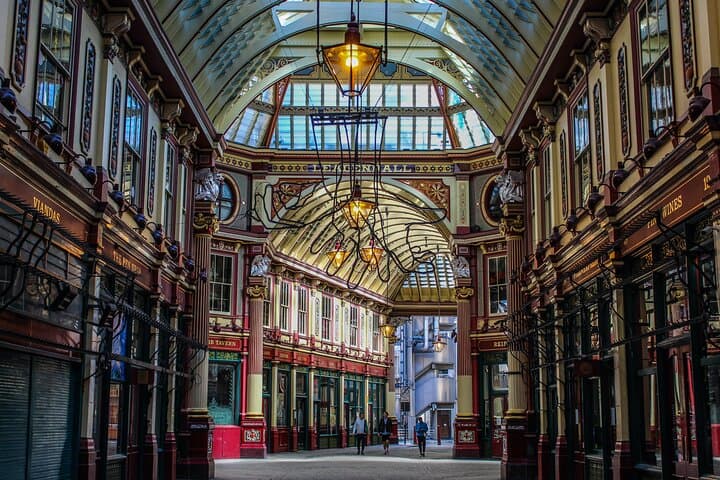
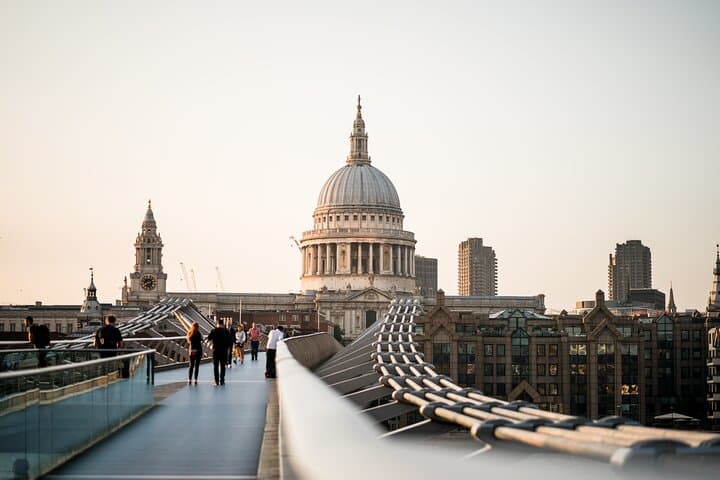
You step off the busy pavement and into a City that still carries the footprint of empire: the glass facets of the Lloyd’s building cutting a modern silhouette while older stone streets hold stories at every corner. Over two hours the tour threads from St. Paul’s views through market alleys and finishes amid the curry houses and street art of Brick Lane, placing colonial history and Commonwealth migration into the same urban frame.
Verified experiences and guided adventures in the surrounding area.
Operated by Indy Odyssey · London, England
You step off the busy pavement and into a City that still carries the footprint of empire: the glass facets of the Lloyd’s building cutting a modern silhouette while older stone streets hold stories at every corner. Over two hours the tour threads from St. Paul’s views through market alleys and finishes amid the curry houses and street art of Brick Lane, placing colonial history and Commonwealth migration into the same urban frame.
This route moves through places tied to the East India Company, 18th- and 19th-century trade finance, and the waves of migration that remade East London after WWII—particularly the Bangladeshi community whose cultural markers populate the area today. Geology is urban: reclaimed river flats, cobbled Victorian streets and modern concrete interludes. Expect to pass markets, a church-turned-synagogue-turned-mosque, and architecture that narrates commerce and conflict.
Practically, the walk covers roughly 2–3 km on flat, paved ground with occasional cobbles and short stair sections; elevation gain is negligible. The guide balances storytelling with stops for photos and questions; groups are small and discussion-focused. Dress in sturdy walking shoes, layer for London's fickle weather, and bring a contactless card for transit if you plan to arrive by tube.
Best times are weekday mornings or late afternoons to avoid market crowds; weekends are livelier but louder. The experience is urban history as motion: the past steps beside you while the city keeps moving—listen for the stories, and leave space for a post-tour snack on Brick Lane.
easy.
2 hours.
Suitable for most fitness levels; requires about 2–3 km of walking on flat ground
The tour lasts two hours and covers roughly 2–3 km on mostly flat, paved streets with occasional cobbles and short stair sections.
Much of the route is on pavement but some cobbles and narrow passages may be challenging—contact the operator in advance to confirm accessibility needs.
The itinerary includes short breaks for photos and discussion; the tour ends in Brick Lane where you can stay to eat, drink, or explore independently.
Bring an Oyster or contactless payment card for transit; the tour accepts a mobile or printed ticket and requires booking one ticket per person.
This neighbourhood was central to Britain’s trading empire—financial institutions and the East India Company shaped the wealth that transformed the City; postwar Commonwealth migration, especially from Bangladesh, reshaped East London’s culture and cuisine.
Respect local residents and market businesses: keep to pavements, avoid obstructing stalls, and use litter bins; small-group tours minimize impact on busy pedestrian areas.
Indy Odyssey operates guided outdoor trips and adventures with an emphasis on safety, stewardship, and memorable experiences.


You step off the busy pavement and into a City that still carries the footprint of empire: the glass facets of the Lloyd’s building cutting a modern silhouette while older stone streets hold stories at every corner. Over two hours the tour threads from St. Paul’s views through market alleys and finishes amid the curry houses and street art of Brick Lane, placing colonial history and Commonwealth migration into the same urban frame.
You step off the busy pavement and into a City that still carries the footprint of empire: the glass facets of the Lloyd’s building cutting a modern silhouette while older stone streets hold stories at every corner. Over two hours the tour threads from St. Paul’s views through market alleys and finishes amid the curry houses and street art of Brick Lane, placing colonial history and Commonwealth migration into the same urban frame.
This route moves through places tied to the East India Company, 18th- and 19th-century trade finance, and the waves of migration that remade East London after WWII—particularly the Bangladeshi community whose cultural markers populate the area today. Geology is urban: reclaimed river flats, cobbled Victorian streets and modern concrete interludes. Expect to pass markets, a church-turned-synagogue-turned-mosque, and architecture that narrates commerce and conflict.
Practically, the walk covers roughly 2–3 km on flat, paved ground with occasional cobbles and short stair sections; elevation gain is negligible. The guide balances storytelling with stops for photos and questions; groups are small and discussion-focused. Dress in sturdy walking shoes, layer for London's fickle weather, and bring a contactless card for transit if you plan to arrive by tube.
Best times are weekday mornings or late afternoons to avoid market crowds; weekends are livelier but louder. The experience is urban history as motion: the past steps beside you while the city keeps moving—listen for the stories, and leave space for a post-tour snack on Brick Lane.