THE ADVENTURE COLLECTIVE® · Independent discovery and booking for outdoor travel

Experience Bhaktapur’s Pottery Square: watch wheel-throwing, try making a clay piece, and wander the medieval temples of Durbar Square. This 2–3 hour private tour pairs hands-on craft with local history and practical tips for first-time visitors.
Experience Bhaktapur’s Pottery Square: watch wheel-throwing, try making a clay piece, and wander the medieval temples of Durbar Square. This 2–3 hour private tour pairs hands-on craft with local history and practical tips for first-time visitors.
You step off the narrow lane into a sun-warmed plaza where the air smells of fired clay and turmeric. Wheels spin like slow heartbeats, hands shape wet clay into everyday vessels, and the hum of the city presses in from all sides. Pottery Square sits at the southern edge of Bhaktapur Durbar Square, and the scene alternates between focused craft and curious onlookers.
Verified experiences and guided adventures in the surrounding area.
Operated by Himalayan Smile Treks and Adventure Pvt. Ltd · Bhaktapur, Bagmati Province
You step off the narrow lane into a sun-warmed plaza where the air smells of fired clay and turmeric. Wheels spin like slow heartbeats, hands shape wet clay into everyday vessels, and the hum of the city presses in from all sides. Pottery Square sits at the southern edge of Bhaktapur Durbar Square, and the scene alternates between focused craft and curious onlookers.
Bhaktapur is a living medieval city of the Newar people; its brick courtyards and tiered temples date back to Malla-era craftsmanship and form part of the Kathmandu Valley UNESCO site. The soil here—sifted from nearby riverbeds—carries the subtle iron tone that gives local pottery its warm hue. Watching a maker switch from manual wheel to electric lathe reveals a culture balancing tradition and ease.
The tour blends sensory history with practical learning: you’ll tour the 55-window palace and Nyatapola temple, then linger where pots are molded, sun-dried, fired, and painted. Makers explain each step and invite visitors to try a piece themselves—an ideal way to feel the resistance of the clay and the patience of kiln work.
Practical notes: wear shoes that can get dusty, book morning slots to avoid afternoon heat, and bring a small carry bag for fragile purchases. Photography is welcome but ask before close-up shots of artisans at work. Museums, temples, and workshops close at different hours, so allow 2–3 hours to move through Durbar Square and Pottery Square without rushing.
easy.
2–3 hours.
Suitable for all fitness levels; mostly walking on flat or cobbled surfaces.
Plan for 2–3 hours to cover Bhaktapur Durbar Square highlights and a hands-on pottery session without rushing.
Yes—local artisans typically allow visitors to try wheel-throwing; expect to create a simple piece and buy it if you want it fired and finished.
There is an entrance fee for Bhaktapur Durbar Square collected by local authorities; fees and hours vary so carry local currency.
The tour is family-friendly, but uneven cobbles and tight lanes can be challenging for wheelchairs or strollers—check pickup accessibility in advance.
Bhaktapur was a major Newar city-state during the Malla dynasty; Durbar Square’s palaces and temples reflect centuries of brick-and-wood craftsmanship and are part of the Kathmandu Valley UNESCO World Heritage site.
Preservation of brickwork and wood carvings is ongoing; support local artisans by purchasing directly and avoid contributing to plastic waste in busy markets.
Himalayan Smile Treks and Adventure Pvt. Ltd operates guided outdoor trips and adventures with an emphasis on safety, stewardship, and memorable experiences.
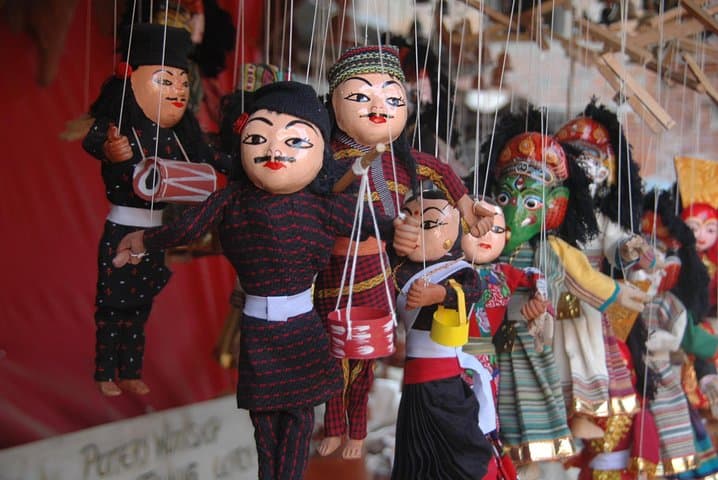
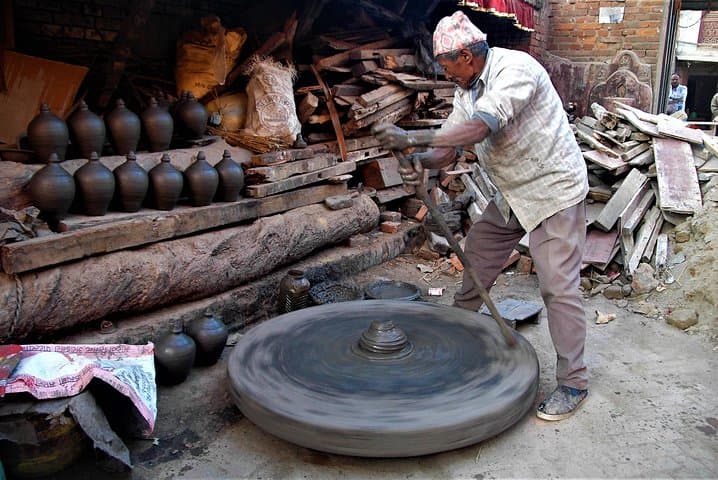
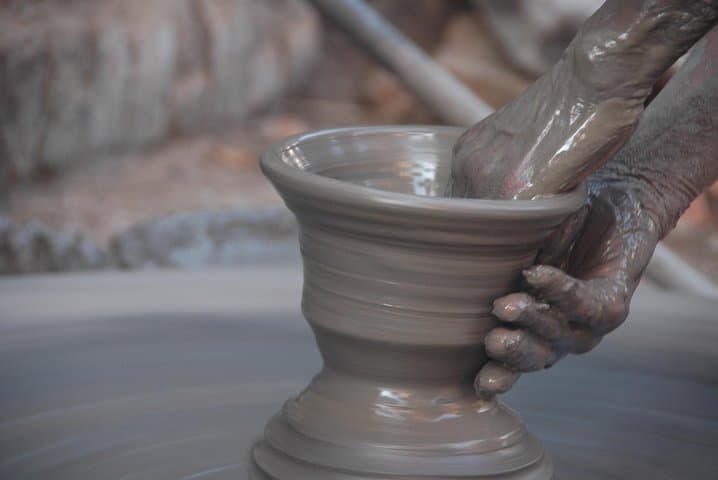
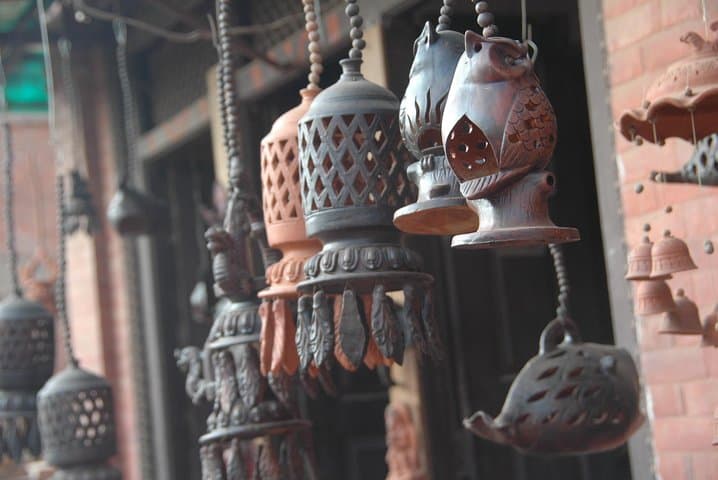
You step off the narrow lane into a sun-warmed plaza where the air smells of fired clay and turmeric. Wheels spin like slow heartbeats, hands shape wet clay into everyday vessels, and the hum of the city presses in from all sides. Pottery Square sits at the southern edge of Bhaktapur Durbar Square, and the scene alternates between focused craft and curious onlookers.
You step off the narrow lane into a sun-warmed plaza where the air smells of fired clay and turmeric. Wheels spin like slow heartbeats, hands shape wet clay into everyday vessels, and the hum of the city presses in from all sides. Pottery Square sits at the southern edge of Bhaktapur Durbar Square, and the scene alternates between focused craft and curious onlookers.
Bhaktapur is a living medieval city of the Newar people; its brick courtyards and tiered temples date back to Malla-era craftsmanship and form part of the Kathmandu Valley UNESCO site. The soil here—sifted from nearby riverbeds—carries the subtle iron tone that gives local pottery its warm hue. Watching a maker switch from manual wheel to electric lathe reveals a culture balancing tradition and ease.
The tour blends sensory history with practical learning: you’ll tour the 55-window palace and Nyatapola temple, then linger where pots are molded, sun-dried, fired, and painted. Makers explain each step and invite visitors to try a piece themselves—an ideal way to feel the resistance of the clay and the patience of kiln work.
Practical notes: wear shoes that can get dusty, book morning slots to avoid afternoon heat, and bring a small carry bag for fragile purchases. Photography is welcome but ask before close-up shots of artisans at work. Museums, temples, and workshops close at different hours, so allow 2–3 hours to move through Durbar Square and Pottery Square without rushing.