THE ADVENTURE COLLECTIVE® · Independent discovery and booking for outdoor travel

Trace a dramatic contrast in one long day: descend into Postojna’s cool caverns with its historic cave train, then surface at Lake Bled for island boats, castle views and a taste of kremšnita. This private tour from Zagreb packs Slovenia’s geological and cultural highlights into an efficient full-day trip.
Trace a dramatic contrast in one long day: descend into Postojna’s cool caverns with its historic cave train, then surface at Lake Bled for island boats, castle views and a taste of kremšnita. This private tour from Zagreb packs Slovenia’s geological and cultural highlights into an efficient full-day trip.
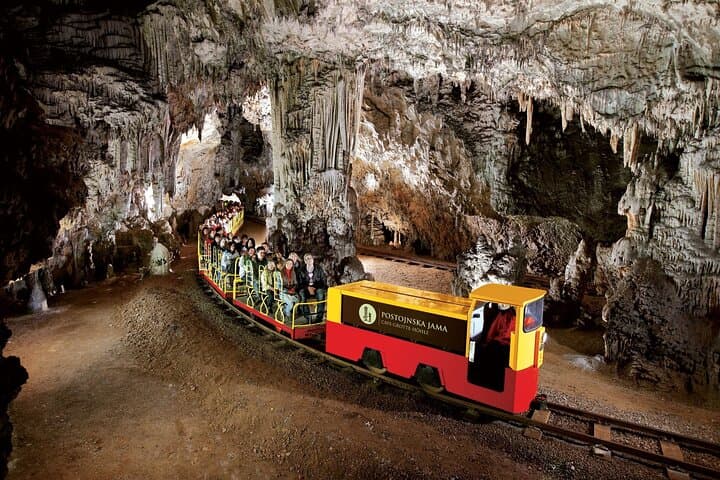
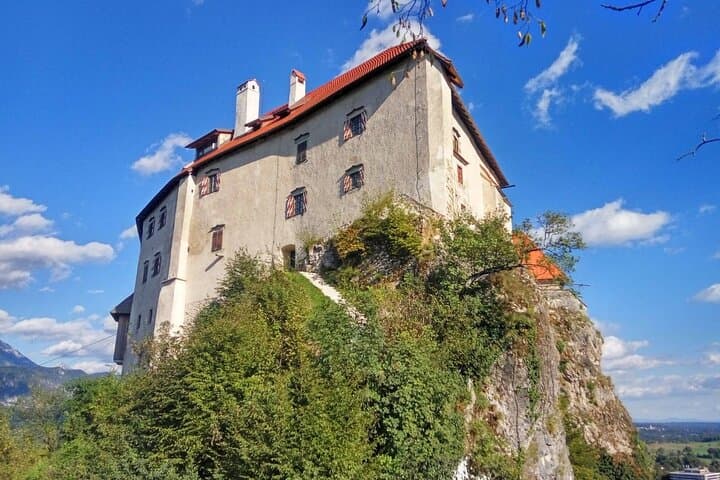
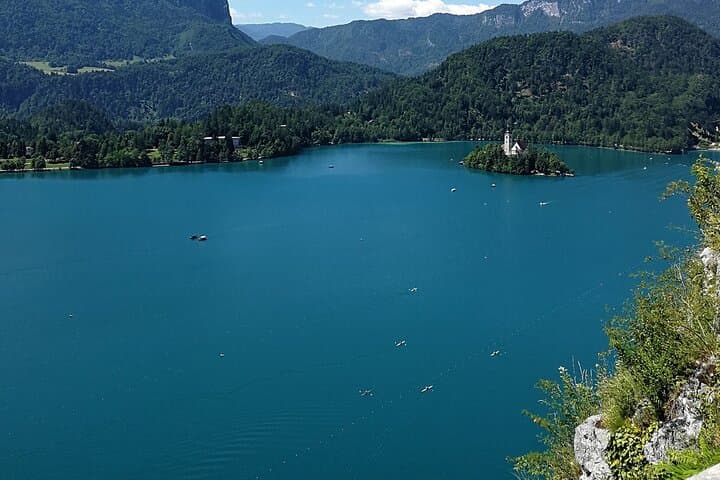
A dim train rattles you into cool stone; the cave breathes damp and mineral-scented air against your jacket. By afternoon the scene flips—silver-blue water laid out beneath a cliff-top castle, a solitary island with a church steeple puncturing the sky. This is a long day that moves from subterranean chambers to an Alpine postcard.
Verified experiences and guided adventures in the surrounding area.
Operated by Wanderer · Zagreb, Zagreb
A dim train rattles you into cool stone; the cave breathes damp and mineral-scented air against your jacket. By afternoon the scene flips—silver-blue water laid out beneath a cliff-top castle, a solitary island with a church steeple puncturing the sky. This is a long day that moves from subterranean chambers to an Alpine postcard.
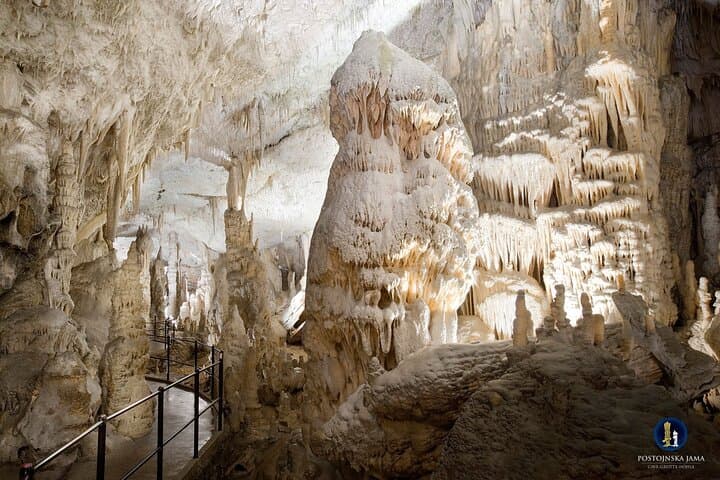
Postojna Cave is rooted in classic Dinaric karst limestone—21 km of passages carved over millennia; about 5 km are visitor-ready. The cave’s electric miniature train and illuminated halls showcase stalactites, stalagmites, and the famously reclusive olm (Proteus anguinus). Lake Bled sits at roughly 475 m elevation at the edge of the Julian Alps; its island, pletna boats and medieval castle speak to a layered local culture where alpine recreation and centuries-old traditions meet. Try the local kremšnita pastry and watch the swans patrol the shallows.
Practical edge: this private tour is roughly 11 hours door-to-door from Zagreb, with ~2.5 hours drive to Postojna, 1.5 hours between attractions, and ~2 hours back. Cave temperature stays cool—around 10–13°C—so bring a warm layer even on hot days. Tickets for Postojna and optional pletna rides are usually not included; booking ahead trims queue time. Carry your passport for the Slovenia border, wear sturdy walking shoes for uneven cave paths and castle ramps, and plan for restroom and snack breaks during the drives. With an early start you’ll get a full sweep of Slovenia’s subterranean geology and its Alpine charm in a single, efficiently run day.
moderate.
10–11 hours.
Good for travellers comfortable with a full day of walking and short stair sections; not strenuous but requires stamina for travel time.
No — the tour price usually covers private transport and driver assistance; Postojna Cave and pletna boat tickets are typically paid separately or booked in advance online.
Yes — the route crosses from Croatia into Slovenia; carry a valid passport or EU ID for border checks.
The cave includes a short train ride but also walking on uneven surfaces and stairs; infant seats are available in the vehicle but parts of the cave are not stroller-friendly.
Yes — the itinerary typically allows a pletna boat to the island and time to visit Bled Castle, though durations depend on group pacing and time booked at each site.
The karst caves of the Dinaric Alps have been explored since the 19th century; Postojna became Europe’s early show cave with mechanized access in the 1800s.
Cave formations are sensitive to oils and changes in humidity—stay on marked paths and avoid touching speleothems; Lake Bled’s water quality is actively managed to balance recreation and ecology.
Wanderer operates guided outdoor trips and adventures with an emphasis on safety, stewardship, and memorable experiences.
A dim train rattles you into cool stone; the cave breathes damp and mineral-scented air against your jacket. By afternoon the scene flips—silver-blue water laid out beneath a cliff-top castle, a solitary island with a church steeple puncturing the sky. This is a long day that moves from subterranean chambers to an Alpine postcard.
A dim train rattles you into cool stone; the cave breathes damp and mineral-scented air against your jacket. By afternoon the scene flips—silver-blue water laid out beneath a cliff-top castle, a solitary island with a church steeple puncturing the sky. This is a long day that moves from subterranean chambers to an Alpine postcard.
Postojna Cave is rooted in classic Dinaric karst limestone—21 km of passages carved over millennia; about 5 km are visitor-ready. The cave’s electric miniature train and illuminated halls showcase stalactites, stalagmites, and the famously reclusive olm (Proteus anguinus). Lake Bled sits at roughly 475 m elevation at the edge of the Julian Alps; its island, pletna boats and medieval castle speak to a layered local culture where alpine recreation and centuries-old traditions meet. Try the local kremšnita pastry and watch the swans patrol the shallows.
Practical edge: this private tour is roughly 11 hours door-to-door from Zagreb, with ~2.5 hours drive to Postojna, 1.5 hours between attractions, and ~2 hours back. Cave temperature stays cool—around 10–13°C—so bring a warm layer even on hot days. Tickets for Postojna and optional pletna rides are usually not included; booking ahead trims queue time. Carry your passport for the Slovenia border, wear sturdy walking shoes for uneven cave paths and castle ramps, and plan for restroom and snack breaks during the drives. With an early start you’ll get a full sweep of Slovenia’s subterranean geology and its Alpine charm in a single, efficiently run day.