THE ADVENTURE COLLECTIVE® · Independent discovery and booking for outdoor travel

Explore Porto on foot with an expert local: from São Bento’s tile panels to Ribeira’s riverfront, this 3–4 hour private walking tour mixes history, food and lesser-known city corners. Perfect for first-time visitors who want context and local flavor.
Explore Porto on foot with an expert local: from São Bento’s tile panels to Ribeira’s riverfront, this 3–4 hour private walking tour mixes history, food and lesser-known city corners. Perfect for first-time visitors who want context and local flavor.
The sound of tram bell and river wind meet as you step from the station into Porto’s narrow streets—cobbles underfoot, tile facades bright against the Atlantic light. A local guide leads you from São Bento’s painted panels to the steep sweep of the Ribeira, pausing at a busy market stall for a warm pastel de nata that tastes of butter and caramelized sugar.
Verified experiences and guided adventures in the surrounding area.
Operated by Pepe Private Tours · Porto, Porto
The sound of tram bell and river wind meet as you step from the station into Porto’s narrow streets—cobbles underfoot, tile facades bright against the Atlantic light. A local guide leads you from São Bento’s painted panels to the steep sweep of the Ribeira, pausing at a busy market stall for a warm pastel de nata that tastes of butter and caramelized sugar.
Porto’s identity was shaped by its river and trade: the Douro carved terraces upriver, and centuries of commerce made the city a hub for salt, wine and shipbuilding. The tour traces that history through landmarks—São Bento’s azulejos illustrating rural life, Livraria Lello’s carved staircase that inspired modern readers, and Rua Santa Catarina’s café culture—while threading into lesser-seen alleys that reveal everyday Porto: bakery ovens, laundry lines, and small chapels.
Expect practical rhythm: three to four hours of urban walking, frequent stops for stories and tastes, and steady inclines that reward you with viewpoints across red roofs and the Douro. The guide’s notes include cultural context—how port wine shaped neighborhoods—and local etiquette around cafes and markets.
Bring layered clothing for coastal breezes, comfortable shoes for uneven cobbles, and a small daypack for purchases. Mornings are best for thinner crowds and crisper light; late afternoons offer glowing riverside views. This is an observational, taste-forward walk: sensory, historic and fully grounded in Porto’s streets.
easy.
3–4 hours.
Suitable for most fitness levels; participants should be comfortable walking on uneven surfaces and moderate inclines for several hours.
Meet typically near São Bento or a central landmark; tours are conducted in English by an expert local—confirm exact meeting details on booking.
The route includes steep cobbles and steps; small children can use a stroller in some sections but a carrier is easier for full coverage.
The guide will include a signature pastel de nata and stops to sample local flavors, but additional purchases at markets or cafés are at your expense.
Full refund if canceled at least 24 hours before departure; check operator policy for weather or minimum-participant cancellations.
Porto grew as a medieval port and later as the center for the port wine trade; its riverside warehouses and merchant houses reflect centuries of commerce.
Central Porto is a UNESCO World Heritage site; responsible visitation—staying on paths, minimizing noise and supporting local businesses—helps preserve historic fabric.
Pepe Private Tours operates guided outdoor trips and adventures with an emphasis on safety, stewardship, and memorable experiences.
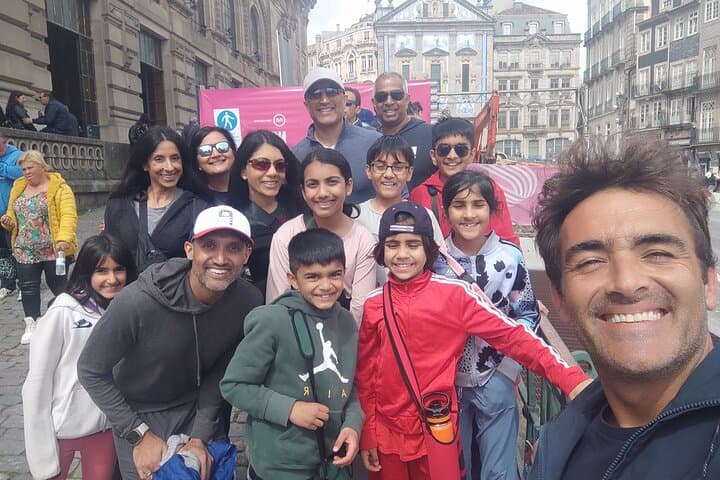
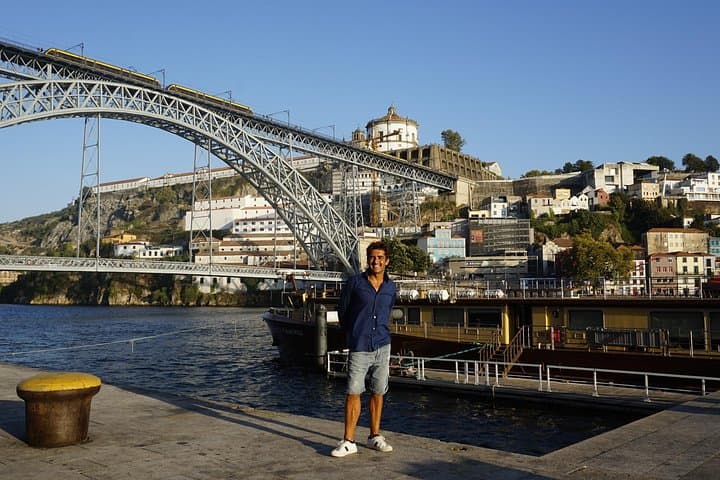
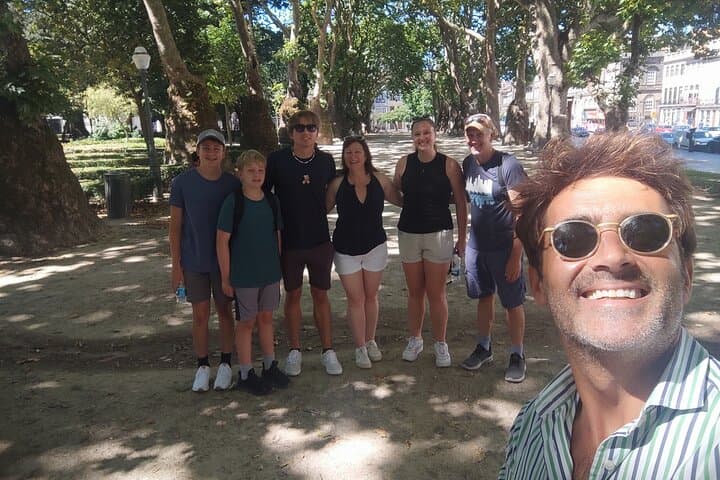
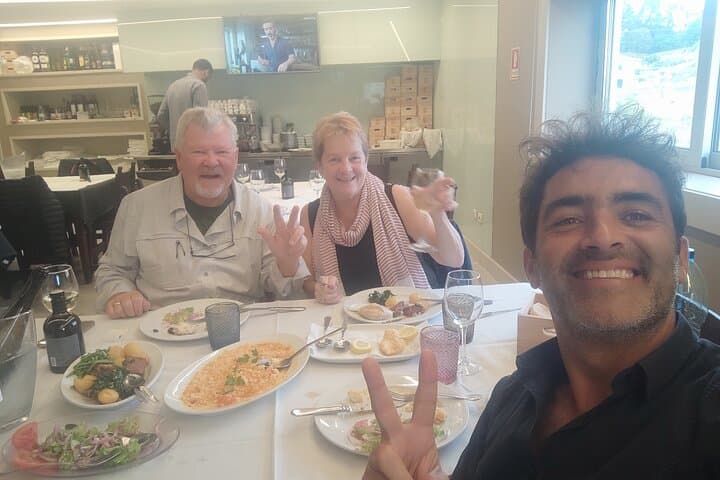
The sound of tram bell and river wind meet as you step from the station into Porto’s narrow streets—cobbles underfoot, tile facades bright against the Atlantic light. A local guide leads you from São Bento’s painted panels to the steep sweep of the Ribeira, pausing at a busy market stall for a warm pastel de nata that tastes of butter and caramelized sugar.
The sound of tram bell and river wind meet as you step from the station into Porto’s narrow streets—cobbles underfoot, tile facades bright against the Atlantic light. A local guide leads you from São Bento’s painted panels to the steep sweep of the Ribeira, pausing at a busy market stall for a warm pastel de nata that tastes of butter and caramelized sugar.
Porto’s identity was shaped by its river and trade: the Douro carved terraces upriver, and centuries of commerce made the city a hub for salt, wine and shipbuilding. The tour traces that history through landmarks—São Bento’s azulejos illustrating rural life, Livraria Lello’s carved staircase that inspired modern readers, and Rua Santa Catarina’s café culture—while threading into lesser-seen alleys that reveal everyday Porto: bakery ovens, laundry lines, and small chapels.
Expect practical rhythm: three to four hours of urban walking, frequent stops for stories and tastes, and steady inclines that reward you with viewpoints across red roofs and the Douro. The guide’s notes include cultural context—how port wine shaped neighborhoods—and local etiquette around cafes and markets.
Bring layered clothing for coastal breezes, comfortable shoes for uneven cobbles, and a small daypack for purchases. Mornings are best for thinner crowds and crisper light; late afternoons offer glowing riverside views. This is an observational, taste-forward walk: sensory, historic and fully grounded in Porto’s streets.