THE ADVENTURE COLLECTIVE® · Independent discovery and booking for outdoor travel

Walk Porto’s cobbles, taste century-old pastries, and cross to Gaia for a traditional port wine tasting. This 5‑hour tour pairs local petiscos with historical context for a practical, flavor-forward introduction to the city.
Walk Porto’s cobbles, taste century-old pastries, and cross to Gaia for a traditional port wine tasting. This 5‑hour tour pairs local petiscos with historical context for a practical, flavor-forward introduction to the city.
Morning light slides across the Douro and Porto wakes with the smell of baking and the clink of espresso cups. On this walking tour the city is felt underfoot — cobbles that have carried traders since Roman times, alleys that funnel aromas from tascas, and the Douro daring you to lean over the riverside and watch barges slice the water.
Verified experiences and guided adventures in the surrounding area.
Operated by eatwith · Porto, Porto
Morning light slides across the Douro and Porto wakes with the smell of baking and the clink of espresso cups. On this walking tour the city is felt underfoot — cobbles that have carried traders since Roman times, alleys that funnel aromas from tascas, and the Douro daring you to lean over the riverside and watch barges slice the water.
Porto’s story is visible in its geology and architecture: granite outcrops that raised the original settlement, narrow medieval lanes, and the terraced quays where port wine was aged and shipped. The culture here mixes working-class roots with proud culinary craft — salted petiscos like bifana and codfish cake sit alongside century-old cafés that served students and writers. A short crossing to Gaia connects you with traditional port houses where fortified wine is still matured in old lodges.
Expect 5 hours of slow-paced walking with multiple tasting stops, historic anecdotes, and a winery visit for structured tastings. The route favors compact city streets; comfortable footwear and steady pacing are key. Plan for moderate crowding at popular viewpoints and book ahead during weekends or festivals. Communicate dietary restrictions in advance; tastings include alcoholic beverages and local tapas. Hydrate between tastings and carry a light daypack for purchases from pastry shops and markets.
This tour is as much about flavor as context: it teaches how geography shaped industry, how family producers kept traditions, and how the Douro still pushes the city’s economy. For travelers who want an easy urban hike threaded with food and history, it’s a practical, sensory introduction to Porto.
easy.
5 hours.
Suitable for most fitness levels; requires standing and walking on cobbles for several hours.
The experience runs about 5 hours with slow-paced walking through central Porto and a short transfer to Gaia for the port tasting; expect several short walks between tasting stops.
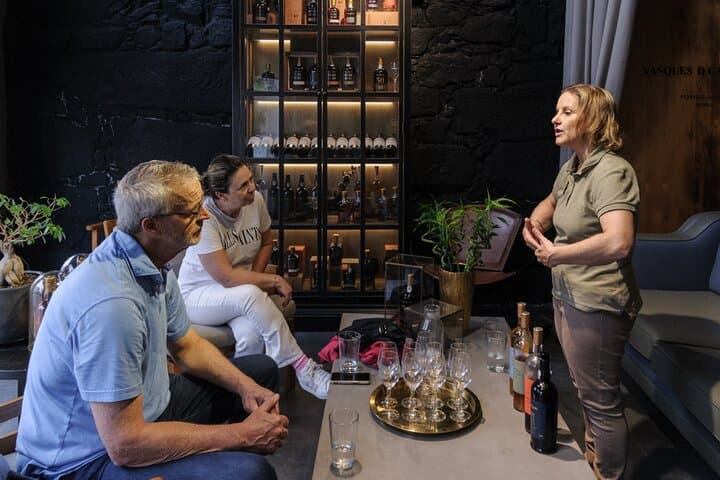
Yes — the tour includes multiple tapas-style tastings and a structured port wine tasting at a traditional producer; specifics depend on the itinerary.
Yes, the operator requests dietary restrictions in advance and will adapt stops where possible; communicate any allergies when you book.
Alcohol is served only to guests aged 18+; a valid ID may be required for verification at the winery.
Porto grew from a Roman settlement into a major Atlantic trading port; the Douro valley’s vineyards and wine trade shaped its economy and architecture.
Support small, family-run producers and avoid single-use plastics; stick to marked walkways to protect fragile riverside stonework.
eatwith operates guided outdoor trips and adventures with an emphasis on safety, stewardship, and memorable experiences.

Morning light slides across the Douro and Porto wakes with the smell of baking and the clink of espresso cups. On this walking tour the city is felt underfoot — cobbles that have carried traders since Roman times, alleys that funnel aromas from tascas, and the Douro daring you to lean over the riverside and watch barges slice the water.
Morning light slides across the Douro and Porto wakes with the smell of baking and the clink of espresso cups. On this walking tour the city is felt underfoot — cobbles that have carried traders since Roman times, alleys that funnel aromas from tascas, and the Douro daring you to lean over the riverside and watch barges slice the water.
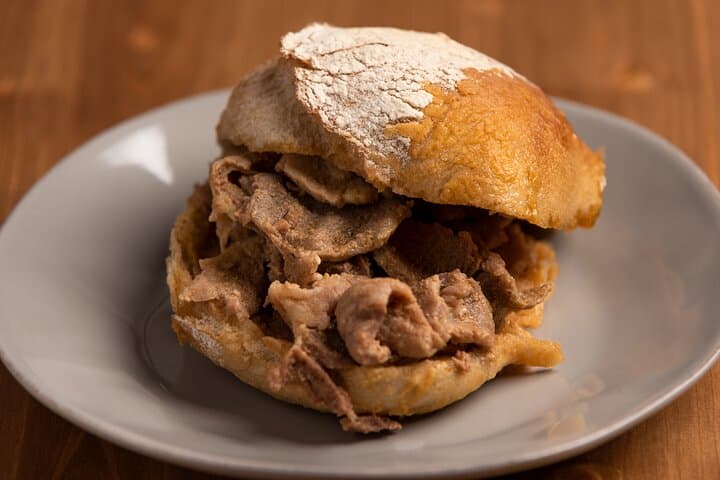
Porto’s story is visible in its geology and architecture: granite outcrops that raised the original settlement, narrow medieval lanes, and the terraced quays where port wine was aged and shipped. The culture here mixes working-class roots with proud culinary craft — salted petiscos like bifana and codfish cake sit alongside century-old cafés that served students and writers. A short crossing to Gaia connects you with traditional port houses where fortified wine is still matured in old lodges.
Expect 5 hours of slow-paced walking with multiple tasting stops, historic anecdotes, and a winery visit for structured tastings. The route favors compact city streets; comfortable footwear and steady pacing are key. Plan for moderate crowding at popular viewpoints and book ahead during weekends or festivals. Communicate dietary restrictions in advance; tastings include alcoholic beverages and local tapas. Hydrate between tastings and carry a light daypack for purchases from pastry shops and markets.
This tour is as much about flavor as context: it teaches how geography shaped industry, how family producers kept traditions, and how the Douro still pushes the city’s economy. For travelers who want an easy urban hike threaded with food and history, it’s a practical, sensory introduction to Porto.