THE ADVENTURE COLLECTIVE® · Independent discovery and booking for outdoor travel

A lively 2–3 hour small-group walking tour through Porto’s World Heritage center. Expect panoramic Douro views, azulejo-clad stations, and expert local tips on food, wine, and hidden corners.
A lively 2–3 hour small-group walking tour through Porto’s World Heritage center. Expect panoramic Douro views, azulejo-clad stations, and expert local tips on food, wine, and hidden corners.
You step off a tram onto narrow cobbled streets and the Douro, broad and insistent, pulls your gaze downstream — as if daring you to follow its bridges. The tour moves at a human pace: a blend of brisk walks, sudden viewpoints, and lingering stops where the guide untangles layers of stone, tile, and story.
Verified experiences and guided adventures in the surrounding area.
Operated by Amsterdam Guías & Tours · Porto, Porto District
You step off a tram onto narrow cobbled streets and the Douro, broad and insistent, pulls your gaze downstream — as if daring you to follow its bridges. The tour moves at a human pace: a blend of brisk walks, sudden viewpoints, and lingering stops where the guide untangles layers of stone, tile, and story.
Porto’s compact center is a palimpsest. Roman foundations underlie medieval churches; Baroque flourishes by Nicolau Nasoni sit beside industrial-era warehouses that once stored barrels of port destined for the world. The azulejos on São Bento station narrate national scenes in blue-and-white tiles; nearby, the Lello bookstore carries the soft myth of inspiration and ink. Geologically, the city pins itself to granite slopes that tumble into the Douro — that slope explains the stairs, the tiered streets, and why viewpoints feel earned.
Culturally the walk threads food, wine, and memory: you’ll hear how port wine shaped trade and neighborhoods, and how 20th-century politics left visible traces in architecture and local lore. Local insights include where to try a francesinha, which viewpoints hold best light for photos, and quieter side streets that escape tour buses.
Practical guidance: expect 2–3 hours of easy-paced walking on uneven cobbles and some stairs; bring supportive shoes and a light rain layer. Timing matters — mornings and late afternoons are cooler and less crowded. Guides often end with tailored recommendations for restaurants, transport, and an optional Fado show at São Bento if you want to extend the evening with music.
easy.
2–3 hours.
Suitable for most fitness levels—requires standing and walking on uneven surfaces for up to 2.5 hours.
The experience lasts about 150 minutes and covers roughly 2–3 kilometers at a moderate, sight-seeing pace with several stops.
Yes—this tour is family-friendly; some streets have stairs and cobbles, but short strollers are manageable and the operator notes stroller accessibility.
Guides are listed as English or Spanish-speaking; check confirmation for your language and request accommodations if needed.
Yes—many departures offer an optional Fado experience at São Bento station; reserve a spot in advance as seating is limited.
Porto’s historic center is a UNESCO World Heritage Site; its economy and layout were shaped by port wine trade and centuries of river commerce.
High foot traffic threatens fragile tiles and narrow streets—respect signage, avoid touching fragile azulejos, and support local businesses and accredited guides to ensure sustainable tourism.
Amsterdam Guías & Tours operates guided outdoor trips and adventures with an emphasis on safety, stewardship, and memorable experiences.
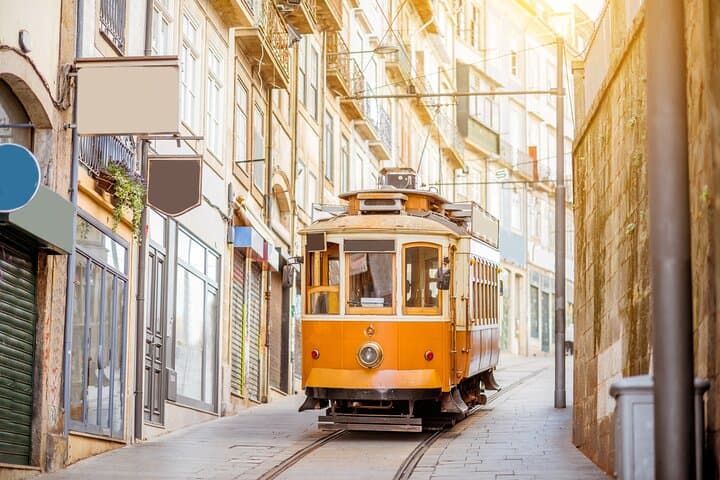
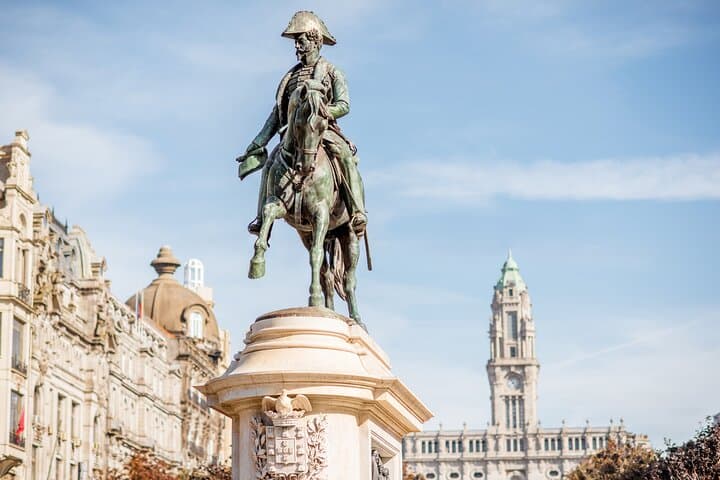
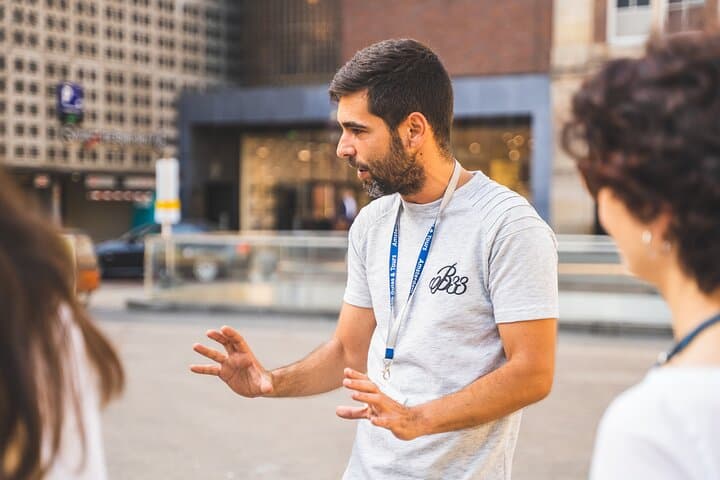
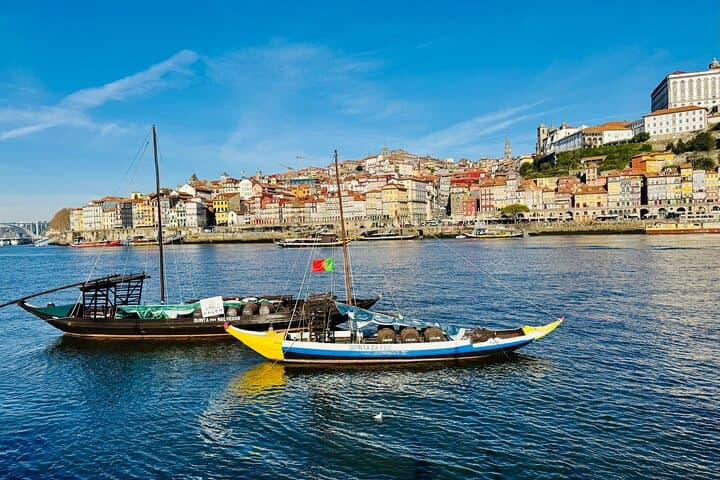
You step off a tram onto narrow cobbled streets and the Douro, broad and insistent, pulls your gaze downstream — as if daring you to follow its bridges. The tour moves at a human pace: a blend of brisk walks, sudden viewpoints, and lingering stops where the guide untangles layers of stone, tile, and story.
You step off a tram onto narrow cobbled streets and the Douro, broad and insistent, pulls your gaze downstream — as if daring you to follow its bridges. The tour moves at a human pace: a blend of brisk walks, sudden viewpoints, and lingering stops where the guide untangles layers of stone, tile, and story.
Porto’s compact center is a palimpsest. Roman foundations underlie medieval churches; Baroque flourishes by Nicolau Nasoni sit beside industrial-era warehouses that once stored barrels of port destined for the world. The azulejos on São Bento station narrate national scenes in blue-and-white tiles; nearby, the Lello bookstore carries the soft myth of inspiration and ink. Geologically, the city pins itself to granite slopes that tumble into the Douro — that slope explains the stairs, the tiered streets, and why viewpoints feel earned.
Culturally the walk threads food, wine, and memory: you’ll hear how port wine shaped trade and neighborhoods, and how 20th-century politics left visible traces in architecture and local lore. Local insights include where to try a francesinha, which viewpoints hold best light for photos, and quieter side streets that escape tour buses.
Practical guidance: expect 2–3 hours of easy-paced walking on uneven cobbles and some stairs; bring supportive shoes and a light rain layer. Timing matters — mornings and late afternoons are cooler and less crowded. Guides often end with tailored recommendations for restaurants, transport, and an optional Fado show at São Bento if you want to extend the evening with music.