THE ADVENTURE COLLECTIVE® · Independent discovery and booking for outdoor travel

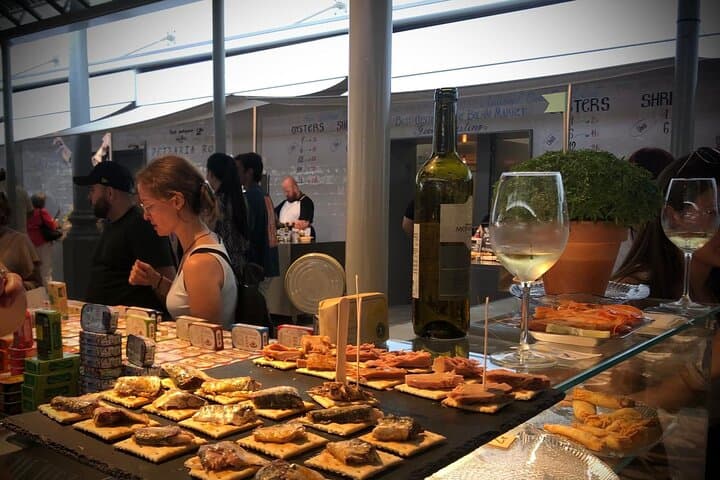
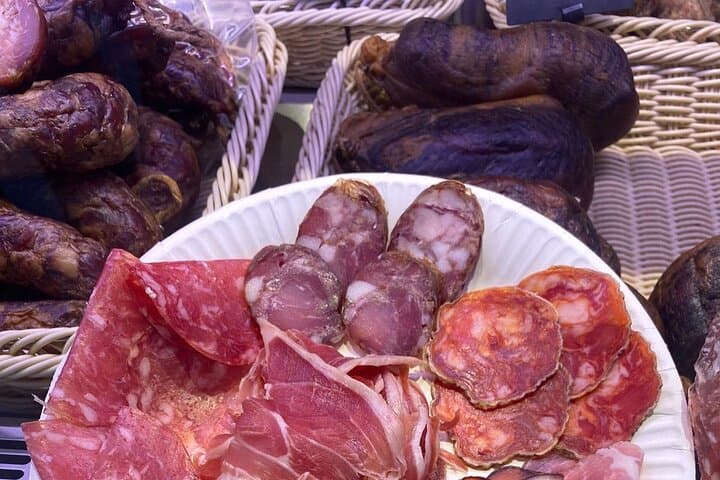
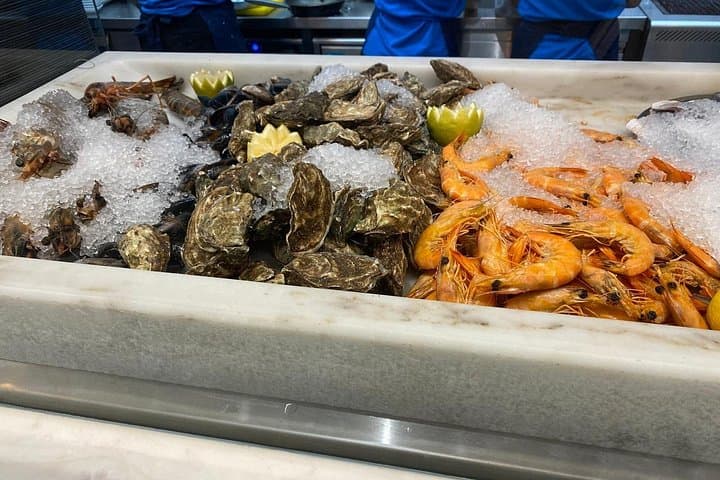
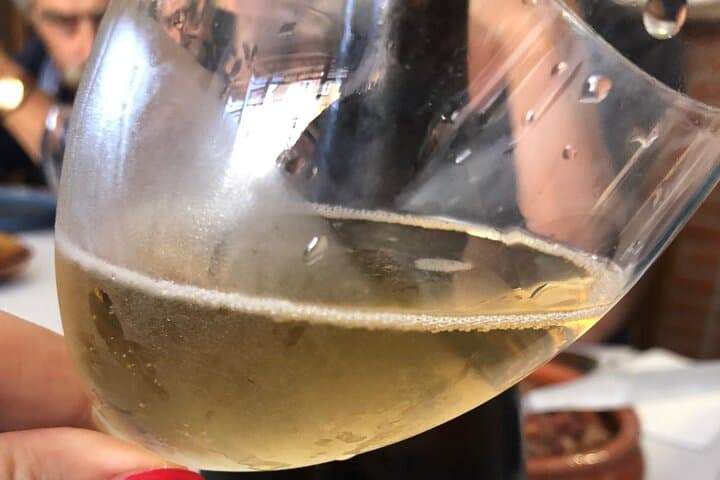
Skip tourist menus and join a certified sommeliere for a two-hour private walk through Porto’s traditional market. Sample smoked meats, fresh shellfish, grilled sardines and paired Portuguese wines while learning the history behind each bite.
Skip tourist menus and join a certified sommeliere for a two-hour private walk through Porto’s traditional market. Sample smoked meats, fresh shellfish, grilled sardines and paired Portuguese wines while learning the history behind each bite.
The market hums before you reach the stalls: clinking glass, the low baritone of vendors, and the sea’s salt riding the breeze down the alleyways. On this private two-hour walk, a certified sommeliere leads you through narrow aisles where smoked meats hang like old recipes and sardines glitter under stall lights.
Verified experiences and guided adventures in the surrounding area.
Operated by Sommelière Catarina · Porto, Porto
The market hums before you reach the stalls: clinking glass, the low baritone of vendors, and the sea’s salt riding the breeze down the alleyways. On this private two-hour walk, a certified sommeliere leads you through narrow aisles where smoked meats hang like old recipes and sardines glitter under stall lights.
This market has grown with Porto — a working place shaped by the city’s riverine geography and Atlantic access. Fishmongers and fruit sellers keep practices passed down through generations; the port wine cellars upriver inform the region’s pairing traditions. The stone streets outside bear the imprint of a mercantile city: cobbles, merchant houses, and the occasional carved lintel that hint at the area’s 18th- and 19th-century trading boom.
Tastewise, expect bright shellfish, salty canned fish, rustic empadas, and charcuterie that favors smoke and cured fat. Your guide explains why certain spices and preserves became staples here and how Portuguese winemaking complements oily fish and acidic salads.
Practicalities matter: tours move at a relaxed standing pace across wheelchair-accessible surfaces, and samples are portioned for a comfortable walking lunch. Mornings are freshest for seafood; bring a light jacket for gusts off the Douro and a small bag for purchases. Communicate dietary needs when booking — substitutions are possible but not guaranteed last minute. Payment is mostly card-friendly, though small stalls may prefer cash.
This is less a staged tasting and more an invitation to join the market’s daily rhythm: eat deliberately, ask questions, and leave with a clearer sense of Porto’s food culture and how wine, river, and sea shape it.
easy.
2 hours.
Low — able to stand and walk short distances on flat market aisles for two hours.
Yes — the route and most market surfaces are wheelchair accessible; notify the operator at booking to confirm logistics.
Yes — the tour is vegetarian-friendly; notify the host when booking so suitable options are arranged.
Hotel meet-up is possible depending on proximity; confirm at booking or meet at the designated market entrance.
Full refund if cancelled at least 24 hours before the tour; cancellations within 24 hours are non-refundable.
Porto’s market culture grew with its maritime trade; the market served as a hub for river and ocean-caught goods and regional produce for centuries.
Vendors increasingly source seasonal, local produce to reduce transport emissions; visitors can support sustainability by avoiding single-use plastics and buying locally.
Sommelière Catarina operates guided outdoor trips and adventures with an emphasis on safety, stewardship, and memorable experiences.
The market hums before you reach the stalls: clinking glass, the low baritone of vendors, and the sea’s salt riding the breeze down the alleyways. On this private two-hour walk, a certified sommeliere leads you through narrow aisles where smoked meats hang like old recipes and sardines glitter under stall lights.
The market hums before you reach the stalls: clinking glass, the low baritone of vendors, and the sea’s salt riding the breeze down the alleyways. On this private two-hour walk, a certified sommeliere leads you through narrow aisles where smoked meats hang like old recipes and sardines glitter under stall lights.
This market has grown with Porto — a working place shaped by the city’s riverine geography and Atlantic access. Fishmongers and fruit sellers keep practices passed down through generations; the port wine cellars upriver inform the region’s pairing traditions. The stone streets outside bear the imprint of a mercantile city: cobbles, merchant houses, and the occasional carved lintel that hint at the area’s 18th- and 19th-century trading boom.
Tastewise, expect bright shellfish, salty canned fish, rustic empadas, and charcuterie that favors smoke and cured fat. Your guide explains why certain spices and preserves became staples here and how Portuguese winemaking complements oily fish and acidic salads.
Practicalities matter: tours move at a relaxed standing pace across wheelchair-accessible surfaces, and samples are portioned for a comfortable walking lunch. Mornings are freshest for seafood; bring a light jacket for gusts off the Douro and a small bag for purchases. Communicate dietary needs when booking — substitutions are possible but not guaranteed last minute. Payment is mostly card-friendly, though small stalls may prefer cash.
This is less a staged tasting and more an invitation to join the market’s daily rhythm: eat deliberately, ask questions, and leave with a clearer sense of Porto’s food culture and how wine, river, and sea shape it.