THE ADVENTURE COLLECTIVE® · Independent discovery and booking for outdoor travel

A private day from Porto that pairs coastal Viana do Castelo’s seaside charm with the pilgrimage gravity of Santiago de Compostela. Enjoy guided driving, short walks, and panoramic viewpoints with an English-speaking driver.
A private day from Porto that pairs coastal Viana do Castelo’s seaside charm with the pilgrimage gravity of Santiago de Compostela. Enjoy guided driving, short walks, and panoramic viewpoints with an English-speaking driver.
Morning light peels over Porto as a private car slips north along the coastal A28, the Atlantic on one side and low Minho hills on the other. Passengers trade the city bustle for sea-scented air; by mid-morning the driver eases into Viana do Castelo and the town’s mosaic of tiled facades and fishing boats opens like a well-read map.
Verified experiences and guided adventures in the surrounding area.
Operated by Europe Journey - Private Sightseeing Transfers and Day Tours · Porto, Porto
Morning light peels over Porto as a private car slips north along the coastal A28, the Atlantic on one side and low Minho hills on the other. Passengers trade the city bustle for sea-scented air; by mid-morning the driver eases into Viana do Castelo and the town’s mosaic of tiled facades and fishing boats opens like a well-read map.
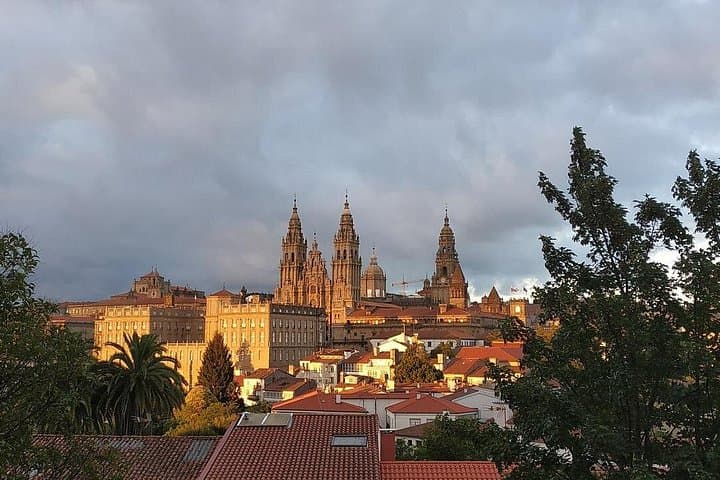
Viana’s history is maritime — shipbuilding and cod fisheries shaped its streets — and the hilltop Sanctuary of Santa Luzia, built in the early 20th century, crowns a granite ridge that rewards the short funicular climb with sweeping views of the Lima estuary. Later the road crosses into Galicia: Santiago de Compostela’s cathedral, the end of the Camino, layers Romanesque, Gothic and Baroque into a single hushed nave where pilgrims still leave scallop shells.
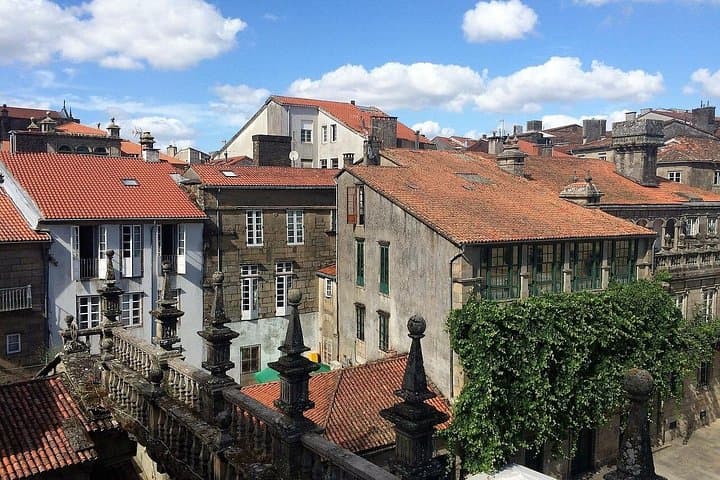
Geologically, the route moves from coastal sediment and alluvial plains to the resistant granite of northern Portugal and Galicia; the stonework in plazas and churches bears that transition. Culturally, expect a blend of northern Portuguese minhoto warmth and Galician pilgrimage ritual — simple taverns serving seafood and octopus, small shops selling filigree silver in Viana.
Practical guidance: this is an all-day private transfer with short walks—bring comfortable walking shoes, a light layer for coastal wind, and your passport for crossing into Spain. There’s time for café breaks and photo stops; ask the driver about local food recommendations and mobility accommodations when you book. Plan for a 9–10 hour day and keep expectations realistic: the tour offers scenic stops and local color rather than extended museum visits.
easy.
9–10 hours.
Suitable for light activity: able to sit for extended driving with short, moderate walks and stairs.
No — the tour provides sightseeing stops and commentary from the driver; entrance fees to museums or monuments are typically not included.
Yes — the itinerary travels from Portugal into Spain (Galicia); bring valid ID or passport and check any current entry requirements.
This is a private tour so many drivers will accommodate timing and emphases within the day; request adjustments when booking but allow the driver to advise on traffic and timing.
The driver is English-speaking and knowledgeable about the area but is not a licensed tour guide; expect local insights rather than formal guided commentary.
Viana do Castelo grew wealthy from Atlantic trade and cod fisheries; Santiago de Compostela has been a major pilgrimage destination since the medieval discovery of Saint James’s tomb.
Coastal habitats and the Camino’s footpaths face seasonal pressure—stick to marked paths, avoid disturbing nesting birds, and support local businesses to help sustain the landscape.
Europe Journey - Private Sightseeing Transfers and Day Tours operates guided outdoor trips and adventures with an emphasis on safety, stewardship, and memorable experiences.
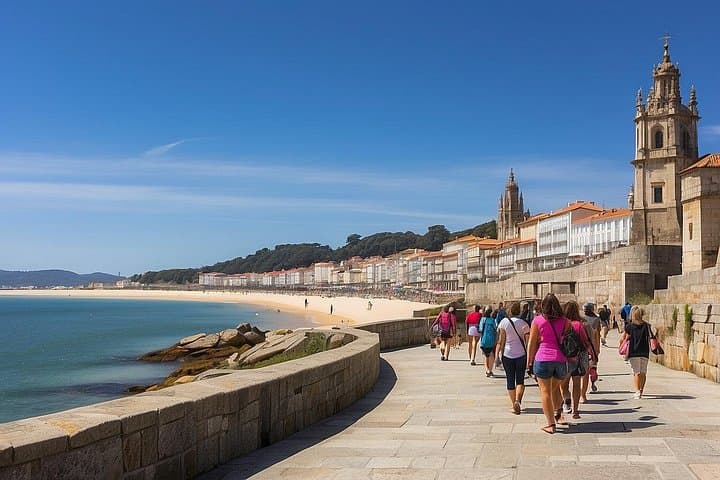
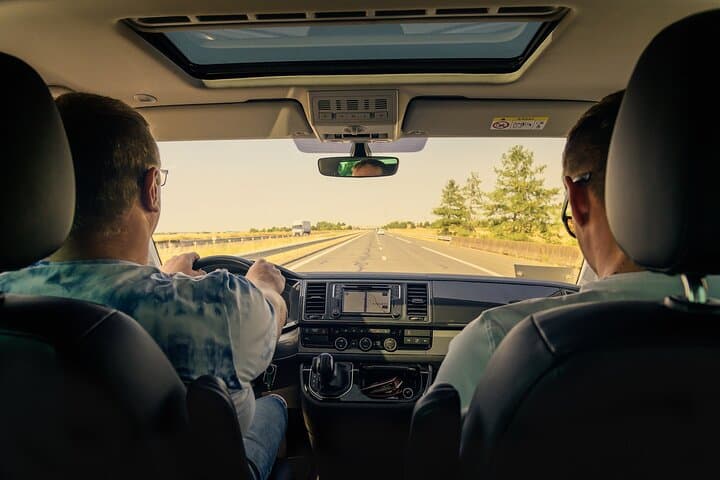
Morning light peels over Porto as a private car slips north along the coastal A28, the Atlantic on one side and low Minho hills on the other. Passengers trade the city bustle for sea-scented air; by mid-morning the driver eases into Viana do Castelo and the town’s mosaic of tiled facades and fishing boats opens like a well-read map.
Morning light peels over Porto as a private car slips north along the coastal A28, the Atlantic on one side and low Minho hills on the other. Passengers trade the city bustle for sea-scented air; by mid-morning the driver eases into Viana do Castelo and the town’s mosaic of tiled facades and fishing boats opens like a well-read map.
Viana’s history is maritime — shipbuilding and cod fisheries shaped its streets — and the hilltop Sanctuary of Santa Luzia, built in the early 20th century, crowns a granite ridge that rewards the short funicular climb with sweeping views of the Lima estuary. Later the road crosses into Galicia: Santiago de Compostela’s cathedral, the end of the Camino, layers Romanesque, Gothic and Baroque into a single hushed nave where pilgrims still leave scallop shells.
Geologically, the route moves from coastal sediment and alluvial plains to the resistant granite of northern Portugal and Galicia; the stonework in plazas and churches bears that transition. Culturally, expect a blend of northern Portuguese minhoto warmth and Galician pilgrimage ritual — simple taverns serving seafood and octopus, small shops selling filigree silver in Viana.
Practical guidance: this is an all-day private transfer with short walks—bring comfortable walking shoes, a light layer for coastal wind, and your passport for crossing into Spain. There’s time for café breaks and photo stops; ask the driver about local food recommendations and mobility accommodations when you book. Plan for a 9–10 hour day and keep expectations realistic: the tour offers scenic stops and local color rather than extended museum visits.