THE ADVENTURE COLLECTIVE® · Independent discovery and booking for outdoor travel

A private one-way transfer from Porto to Santiago de Compostela that blends coastal views, medieval towns and quick guided stops. Ideal for travelers who want curated cultural stops without the hassle of driving.
A private one-way transfer from Porto to Santiago de Compostela that blends coastal views, medieval towns and quick guided stops. Ideal for travelers who want curated cultural stops without the hassle of driving.
Morning light slides off the Douro as a private minivan eases out of Porto, the city’s tiled façades shrinking behind you and the river keeping time beside the road. The journey unfolds as a coastal and inland corridor of granite towns, fortified walls, and low eucalyptus-scented hills — each stop a short stage in a regional story that spans Roman roads, medieval pilgrimage and maritime trade.
Verified experiences and guided adventures in the surrounding area.
Operated by Meridian4People - Portugal & Spain · Porto, Norte
Morning light slides off the Douro as a private minivan eases out of Porto, the city’s tiled façades shrinking behind you and the river keeping time beside the road. The journey unfolds as a coastal and inland corridor of granite towns, fortified walls, and low eucalyptus-scented hills — each stop a short stage in a regional story that spans Roman roads, medieval pilgrimage and maritime trade.
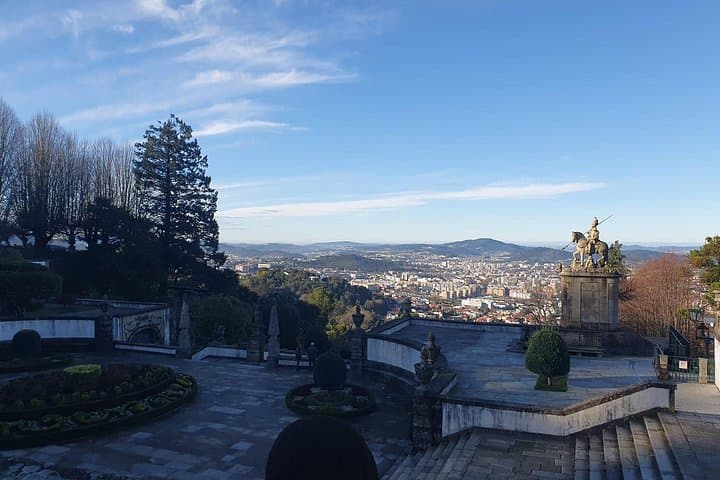
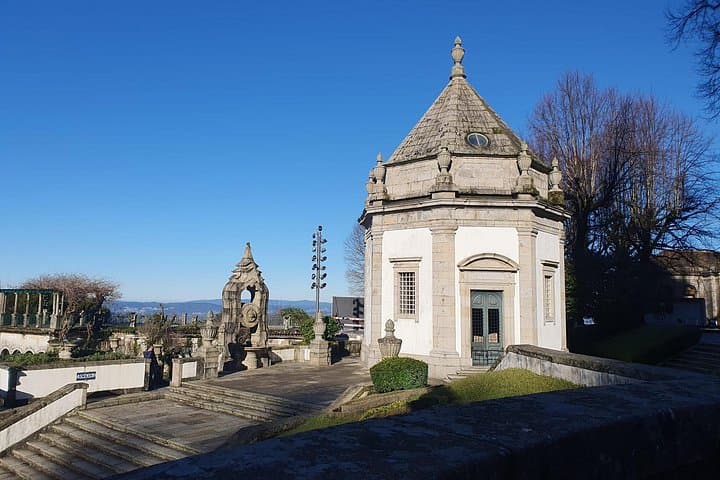
Braga and Guimarães carry the medieval pulse: cathedrals, hilltop sanctuaries, and stone stairways that still feel worked by centuries of feet. Barcelos opens with its market rhythm and the bright rooster iconography; Viana do Castelo rewards a short climb to Santa Luzia for a panoramic read of estuaries and Atlantic approaches. Cross the Minho at Valença’s star-shaped fortifications and you’re in Galicia’s softer slate landscape, where Santiago de Compostela’s cathedral announces the end of many roads and the start of contemplative exploration.
Geologically, the route moves from Douro’s schist and terraced vineyards to Galicia’s older metamorphic bedrock; culturally it stitches Portuguese northern traditions to Galician language and cuisine.
Practical notes: travel is private and seated for most of the day with short guided walks at stops; carry a daypack, passport, and comfortable shoes. Time your departures to avoid midday heat in summer and allow extra time for narrow medieval streets. Book with flexible pickup from Porto hotels and plan at least one full afternoon in Santiago to see the cathedral and the old town without rush.
easy.
3–8 hours.
Suitable for most fitness levels; mainly seated travel with short, uneven walking segments at stops
Pickup is available from Porto and surrounding hotels; drop-off is in Santiago de Compostela hotels.
Up to four optional stops are available; specific towns are chosen based on itinerary and guest preferences.
Bottled water is provided; lunch is typically at a local restaurant during a scheduled stop but may not be included—confirm at booking.
Yes; infant seats and stroller access are available, and the tour is rated easy for all fitness levels.
This corridor links Porto’s maritime trade history and the Douro wine terraces with Galicia’s pilgrimage heritage—the Camino ends at Santiago de Compostela’s cathedral.
Increased visitor numbers have pressured historic centers and river ecosystems; choose local guides, stick to marked paths, and support small businesses to minimize impact.
Meridian4People - Portugal & Spain operates guided outdoor trips and adventures with an emphasis on safety, stewardship, and memorable experiences.
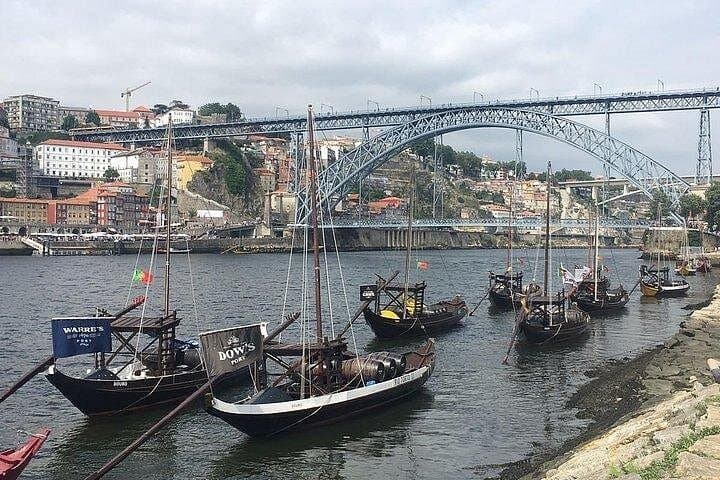
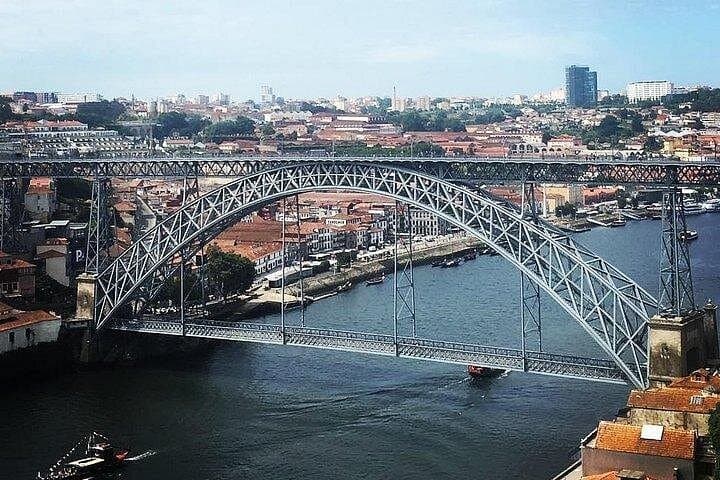
Morning light slides off the Douro as a private minivan eases out of Porto, the city’s tiled façades shrinking behind you and the river keeping time beside the road. The journey unfolds as a coastal and inland corridor of granite towns, fortified walls, and low eucalyptus-scented hills — each stop a short stage in a regional story that spans Roman roads, medieval pilgrimage and maritime trade.
Morning light slides off the Douro as a private minivan eases out of Porto, the city’s tiled façades shrinking behind you and the river keeping time beside the road. The journey unfolds as a coastal and inland corridor of granite towns, fortified walls, and low eucalyptus-scented hills — each stop a short stage in a regional story that spans Roman roads, medieval pilgrimage and maritime trade.
Braga and Guimarães carry the medieval pulse: cathedrals, hilltop sanctuaries, and stone stairways that still feel worked by centuries of feet. Barcelos opens with its market rhythm and the bright rooster iconography; Viana do Castelo rewards a short climb to Santa Luzia for a panoramic read of estuaries and Atlantic approaches. Cross the Minho at Valença’s star-shaped fortifications and you’re in Galicia’s softer slate landscape, where Santiago de Compostela’s cathedral announces the end of many roads and the start of contemplative exploration.
Geologically, the route moves from Douro’s schist and terraced vineyards to Galicia’s older metamorphic bedrock; culturally it stitches Portuguese northern traditions to Galician language and cuisine.
Practical notes: travel is private and seated for most of the day with short guided walks at stops; carry a daypack, passport, and comfortable shoes. Time your departures to avoid midday heat in summer and allow extra time for narrow medieval streets. Book with flexible pickup from Porto hotels and plan at least one full afternoon in Santiago to see the cathedral and the old town without rush.