THE ADVENTURE COLLECTIVE® · Independent discovery and booking for outdoor travel

See Porto from a vintage sidecar: a three-hour, slow-paced route through cathedral hilltops, riverside panoramas and Gaia’s port lodges. Frequent photo stops, local stories, and practical tips make this an efficient way to orient yourself to the city.
See Porto from a vintage sidecar: a three-hour, slow-paced route through cathedral hilltops, riverside panoramas and Gaia’s port lodges. Frequent photo stops, local stories, and practical tips make this an efficient way to orient yourself to the city.
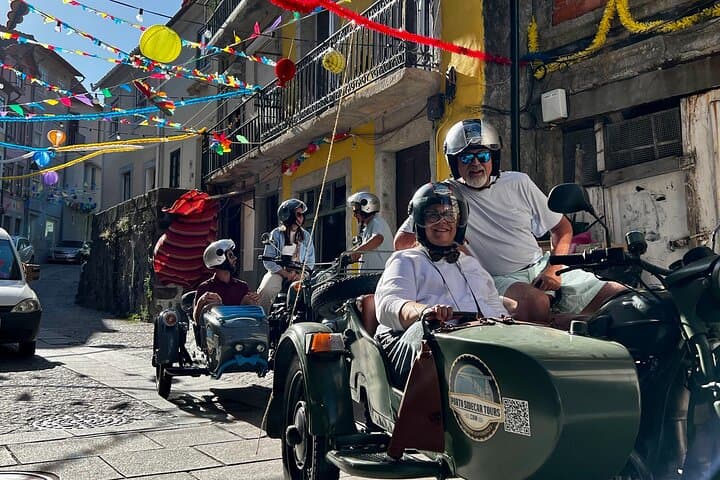
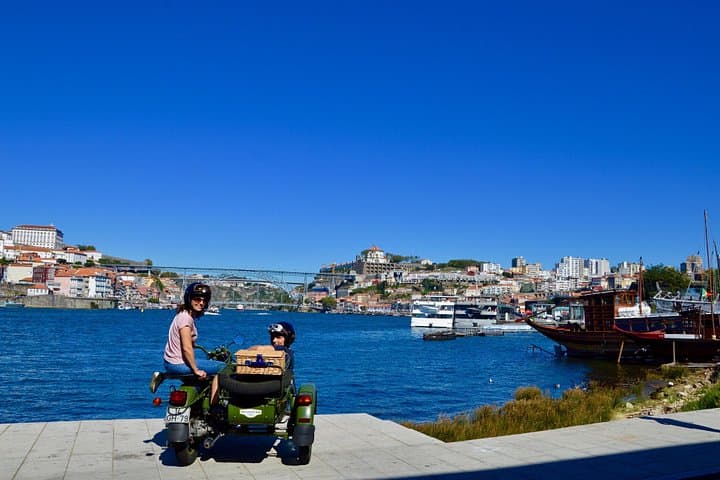
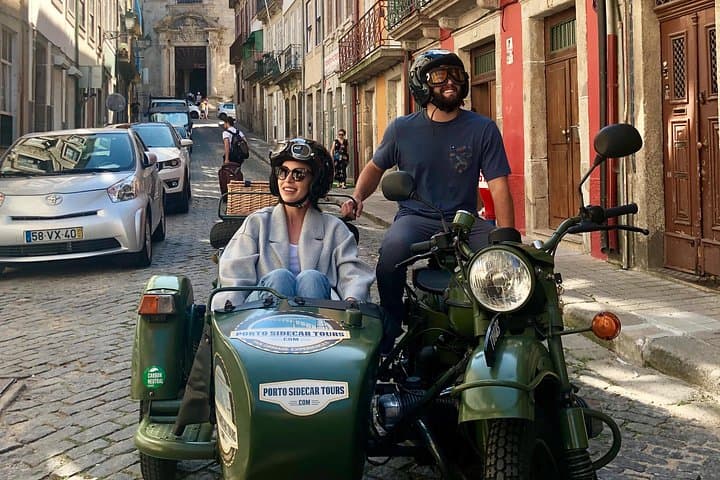
The rumble of a vintage sidecar eases you through cobbled alleys and up sun-warmed hills, the Douro at your side like a slow-moving mirror. Streets open into sudden viewpoints: tiled facades glint, the D. Luís I bridge spans the river and gulls wheel over Gaia’s port warehouses. This is Porto seen from a low, wind-swept perch — immediate, photographic, and conversational.
Verified experiences and guided adventures in the surrounding area.
Operated by Porto Sidecar Tours · Porto, Porto
The rumble of a vintage sidecar eases you through cobbled alleys and up sun-warmed hills, the Douro at your side like a slow-moving mirror. Streets open into sudden viewpoints: tiled facades glint, the D. Luís I bridge spans the river and gulls wheel over Gaia’s port warehouses. This is Porto seen from a low, wind-swept perch — immediate, photographic, and conversational.
Porto’s urban fabric is layered: Roman and medieval foundations underlie Baroque churches such as the Sé and the Clérigos tower, while 19th-century engineering is visible in the ironwork of bridges attributed to the circle of Eiffel and Téophile Seyrig. The river shaped local industry and culture—port wine cellars in Vila Nova de Gaia still age fortified wine in granite lodges facing the city.
On a half-day sidecar tour riders experience neighborhoods that shaped Porto’s working and maritime life: Miragaia’s narrow lanes, Massarelos’ riverside mansions, the tiny beach at Foz where the Atlantic nudges the city, and the book-stuffed lanes near Lello. Guides interweave architecture, trade history and practical local tips — where to taste tawny port, when to catch sunset light on the waterfront.
Practical guidance: the ride is relaxed but requires mobility to mount the sidecar and follow safety briefings; helmets and rain gear are provided; note a 180 lb passenger limit. Expect frequent photo stops and short walks at viewpoints. Morning or late-afternoon departures give the best light and cooler winds; bring layered clothing, a charged phone and secure footwear. The route is custom but compact—three hours of curated cityscape, river, and hillside viewpoints that put Porto’s past and present clearly in frame.
easy.
3 hours.
Suitable for most fitness levels; participants must be able to step into a sidecar and stand for short walks at viewpoints.
Yes — the tour includes hotel pick up and drop off within central Porto; confirm your pickup location at booking.
Yes — helmets, raincoats and blankets are provided for passenger comfort and safety.
No — the operator enforces a 180 lb per passenger limit for weight distribution and safety; contact the provider for alternatives.
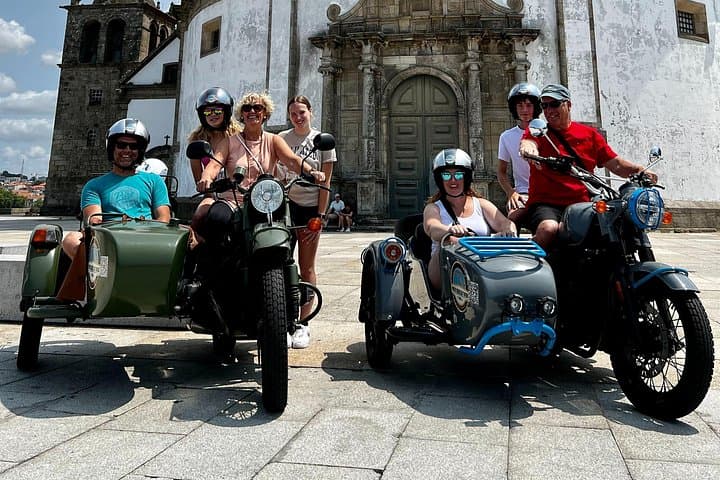
Yes — this is a private sidecar tour with two passenger seats in addition to the driver, allowing a custom pace.
Porto grew as a Roman and medieval port; the fortified wine trade made Vila Nova de Gaia a hub of cellars that still age port wine by the river.
The Douro’s water quality and shoreline habitats have improved with local clean-up efforts; choose operators that offset emissions and follow local waste guidelines.
Porto Sidecar Tours operates guided outdoor trips and adventures with an emphasis on safety, stewardship, and memorable experiences.
The rumble of a vintage sidecar eases you through cobbled alleys and up sun-warmed hills, the Douro at your side like a slow-moving mirror. Streets open into sudden viewpoints: tiled facades glint, the D. Luís I bridge spans the river and gulls wheel over Gaia’s port warehouses. This is Porto seen from a low, wind-swept perch — immediate, photographic, and conversational.
The rumble of a vintage sidecar eases you through cobbled alleys and up sun-warmed hills, the Douro at your side like a slow-moving mirror. Streets open into sudden viewpoints: tiled facades glint, the D. Luís I bridge spans the river and gulls wheel over Gaia’s port warehouses. This is Porto seen from a low, wind-swept perch — immediate, photographic, and conversational.
Porto’s urban fabric is layered: Roman and medieval foundations underlie Baroque churches such as the Sé and the Clérigos tower, while 19th-century engineering is visible in the ironwork of bridges attributed to the circle of Eiffel and Téophile Seyrig. The river shaped local industry and culture—port wine cellars in Vila Nova de Gaia still age fortified wine in granite lodges facing the city.
On a half-day sidecar tour riders experience neighborhoods that shaped Porto’s working and maritime life: Miragaia’s narrow lanes, Massarelos’ riverside mansions, the tiny beach at Foz where the Atlantic nudges the city, and the book-stuffed lanes near Lello. Guides interweave architecture, trade history and practical local tips — where to taste tawny port, when to catch sunset light on the waterfront.
Practical guidance: the ride is relaxed but requires mobility to mount the sidecar and follow safety briefings; helmets and rain gear are provided; note a 180 lb passenger limit. Expect frequent photo stops and short walks at viewpoints. Morning or late-afternoon departures give the best light and cooler winds; bring layered clothing, a charged phone and secure footwear. The route is custom but compact—three hours of curated cityscape, river, and hillside viewpoints that put Porto’s past and present clearly in frame.