THE ADVENTURE COLLECTIVE® · Independent discovery and booking for outdoor travel

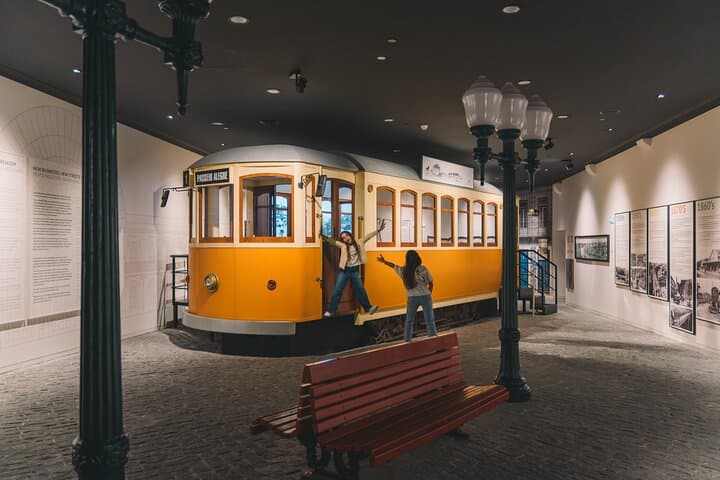
Step into a compact, multimedia tour of Porto’s past at the Porto Region Across the Ages Museum. Expect immersive video mapping, a full-size tram replica, and an accessible, 60–90 minute self-guided experience that connects museum stories to the riverfront and historic neighborhoods outside.
Step into a compact, multimedia tour of Porto’s past at the Porto Region Across the Ages Museum. Expect immersive video mapping, a full-size tram replica, and an accessible, 60–90 minute self-guided experience that connects museum stories to the riverfront and historic neighborhoods outside.
Early light slants off the Douro and the city seems to breathe history — cobbled streets hum, trams murmur, and the museum’s façade promises a compact, kinetic journey through Porto’s past.
Verified experiences and guided adventures in the surrounding area.
Operated by WOW Porto – The Cultural District · Porto, Porto District
Early light slants off the Douro and the city seems to breathe history — cobbled streets hum, trams murmur, and the museum’s façade promises a compact, kinetic journey through Porto’s past.
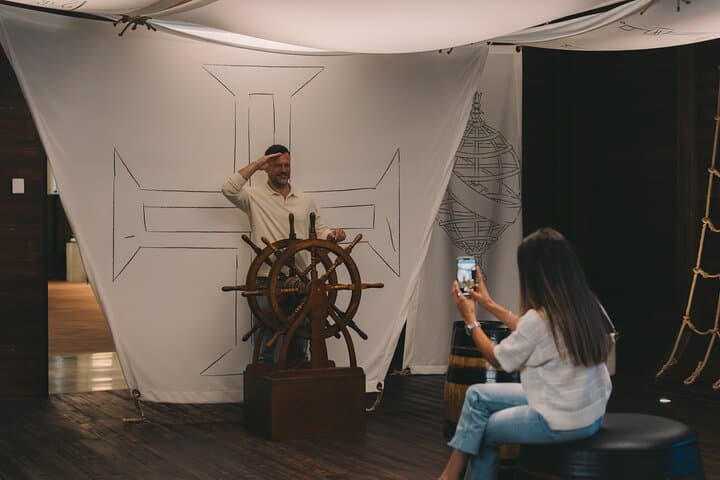
Inside, visitors move from prehistoric settlements to maritime bravado, then into the shocks of the 19th-century Industrial Revolution and the tumult of the Siege of Porto. Video mapping and an immersive cinema layer sense onto fact: maps unfurl like weathered sails, and a life-size tram replica invites a moment of tactile nostalgia. The museum tracks social and economic change — how rivers and trade pushed the city outward, how industry reshaped neighborhoods — and frames Porto as a living, evolving place rather than a static relic.
Culturally it’s a practical primer: multilingual audio guides orient non-Portuguese speakers, and displays point toward nearby sites like São Bento station’s azulejos and the Ribeira waterfront where the Douro courts attention.
Plan on 60–90 minutes for a thorough self-guided visit; the layout is flat and wheelchair-accessible. Peak summer afternoons bring crowds—visit early or in late afternoon. Photography is generally allowed but be mindful of exhibit lighting. Combine the museum with a short riverside walk to feel the physical geography that shaped the stories you’ve just seen: the Douro nudges the city’s edges, demanding commerce and defiance in equal measure.
Practical tips: download the audio guide app if offered, carry a light jacket for gallery chill, and pair this stop with a tram ride or São Bento to stitch the narrative into the city itself.
easy.
1–2 hours.
Suitable for all fitness levels; mostly indoor, flat walking on paved surfaces.
Most visitors spend 60–90 minutes; allocate extra time if you plan to watch all cinema segments or explore nearby sites.
Yes—ramps and accessible routes are provided and the museum lists wheelchair accessibility among its facilities.
The experience is primarily self-guided with multilingual audio guides and immersive cinema; confirm availability at entry or online.
Photography is generally permitted but avoid flash and follow posted restrictions for specific exhibits or cinema spaces.
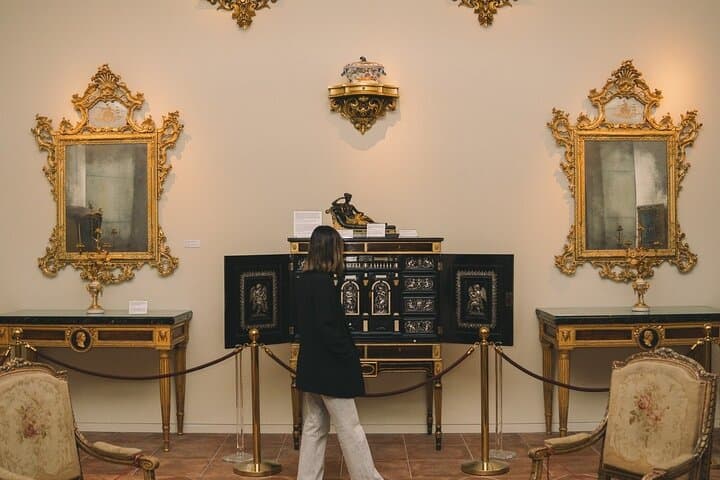
The museum traces Porto from early settlements through maritime commerce and the 19th‑century Industrial Revolution, highlighting events like the Siege of Porto that shaped its civic identity.
The institution emphasizes preservation of material culture and encourages low-impact visits; pairing museum visits with pedestrian exploration reduces car use and supports local conservation.
WOW Porto – The Cultural District operates guided outdoor trips and adventures with an emphasis on safety, stewardship, and memorable experiences.

Early light slants off the Douro and the city seems to breathe history — cobbled streets hum, trams murmur, and the museum’s façade promises a compact, kinetic journey through Porto’s past.
Early light slants off the Douro and the city seems to breathe history — cobbled streets hum, trams murmur, and the museum’s façade promises a compact, kinetic journey through Porto’s past.
Inside, visitors move from prehistoric settlements to maritime bravado, then into the shocks of the 19th-century Industrial Revolution and the tumult of the Siege of Porto. Video mapping and an immersive cinema layer sense onto fact: maps unfurl like weathered sails, and a life-size tram replica invites a moment of tactile nostalgia. The museum tracks social and economic change — how rivers and trade pushed the city outward, how industry reshaped neighborhoods — and frames Porto as a living, evolving place rather than a static relic.
Culturally it’s a practical primer: multilingual audio guides orient non-Portuguese speakers, and displays point toward nearby sites like São Bento station’s azulejos and the Ribeira waterfront where the Douro courts attention.
Plan on 60–90 minutes for a thorough self-guided visit; the layout is flat and wheelchair-accessible. Peak summer afternoons bring crowds—visit early or in late afternoon. Photography is generally allowed but be mindful of exhibit lighting. Combine the museum with a short riverside walk to feel the physical geography that shaped the stories you’ve just seen: the Douro nudges the city’s edges, demanding commerce and defiance in equal measure.
Practical tips: download the audio guide app if offered, carry a light jacket for gallery chill, and pair this stop with a tram ride or São Bento to stitch the narrative into the city itself.