THE ADVENTURE COLLECTIVE® · Independent discovery and booking for outdoor travel

Trace Porto’s history from the tiled halls of São Bento to the port lodges of Vila Nova de Gaia with a smartphone audioguide. This 2–3 hour self-guided route balances iconic landmarks, riverside panoramas, and practical tips to make the most of the city on foot.
Trace Porto’s history from the tiled halls of São Bento to the port lodges of Vila Nova de Gaia with a smartphone audioguide. This 2–3 hour self-guided route balances iconic landmarks, riverside panoramas, and practical tips to make the most of the city on foot.
You step out of São Bento station into a hall of blue-and-white azulejos, the tiles still telling Portugal’s stories as the city pulls you toward the river. The route moves through narrow, cobbled alleys, opens onto Avenida dos Aliados, then threads past Baroque churches, Belle Époque cafés, and the iron lattice of the Luís I Bridge that dares you to cross into Vila Nova de Gaia for its port wine lodges.
Verified experiences and guided adventures in the surrounding area.
Operated by TouringBee · Porto, Porto
You step out of São Bento station into a hall of blue-and-white azulejos, the tiles still telling Portugal’s stories as the city pulls you toward the river. The route moves through narrow, cobbled alleys, opens onto Avenida dos Aliados, then threads past Baroque churches, Belle Époque cafés, and the iron lattice of the Luís I Bridge that dares you to cross into Vila Nova de Gaia for its port wine lodges.
Porto’s built fabric is layered: medieval walls and 18th–19th century architecture sit on granite bedrock carved by the Douro, while centuries of maritime trade shaped the city’s culture and cuisine. Azulejo panels at São Bento and the Chapel of Souls show religious and civic narratives; Livraria Lello and Palácio da Bolsa echo the city’s literary and mercantile past.
Expect roughly 3.5–4.5 km of walking over uneven cobbles, with intermittent staircases and 60–100 m cumulative elevation change depending on detours (Clérigos Tower adds a 225-step climb if you opt in). Terrain alternates flat riverside promenades and steep, narrow streets; good traction matters.
Practical: download and activate the audioguide before you go, carry a power bank, and wear supportive shoes. Start early to avoid peak crowds at Livraria Lello and the wine cellars, and plan extra time if you want tastings or museum entries. Keep water handy—Portuguese cafés are frequent but queues build in summer.
This self-guided walk balances history and independent pacing: it’s immersive, manageable, and designed so your smartphone becomes the guide while Porto’s streets do the rest.
easy.
2–3 hours.
Suitable for most fitness levels; requires steady walking with short hills and stairs.
The guided route takes about 2–3 hours covering roughly 3.5–4.5 km with multiple short climbs and stair sections; you can shorten it by skipping optional stops.
No—download the offline map and audio in the app before you go so GPS navigation and recordings work without data.
Many central streets have steep slopes and cobbles; some sections (like narrow alleys and stairways) are not stroller or wheelchair friendly—plan an alternate riverside route if needed.
Yes—cellar visits and tastings are nearby in Vila Nova de Gaia but typically require separate tickets and may involve queues or guided-cellar schedules.
Porto’s skyline and streets grew around medieval fortifications, 18th–19th century trading wealth, and the Douro’s role in the port wine trade—azulejo tiles became a public canvas during the 18th and 19th centuries.
Respect busy heritage sites by following marked paths, avoid littering in riverfront zones, and use refillable bottles—local initiatives work to reduce tourism pressure on historic neighborhoods.
TouringBee operates guided outdoor trips and adventures with an emphasis on safety, stewardship, and memorable experiences.
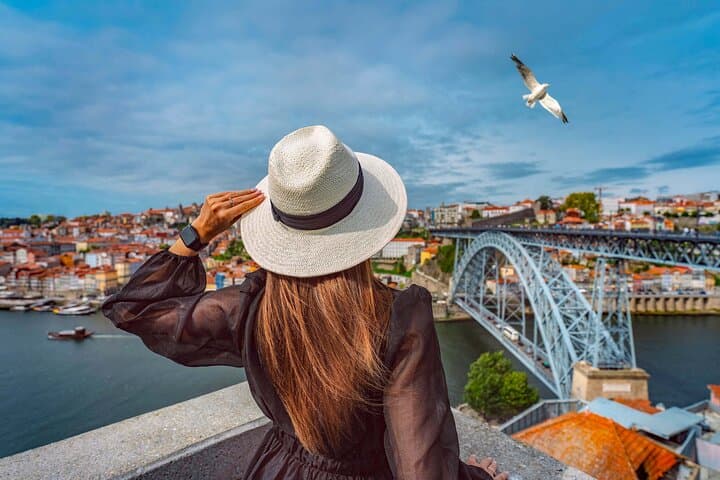
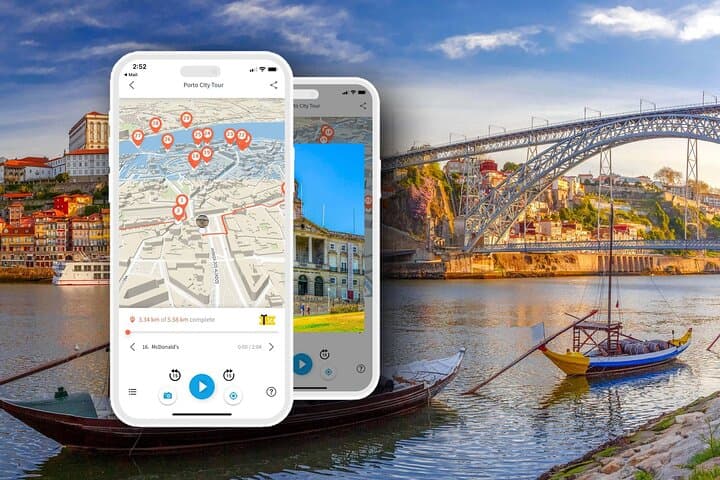
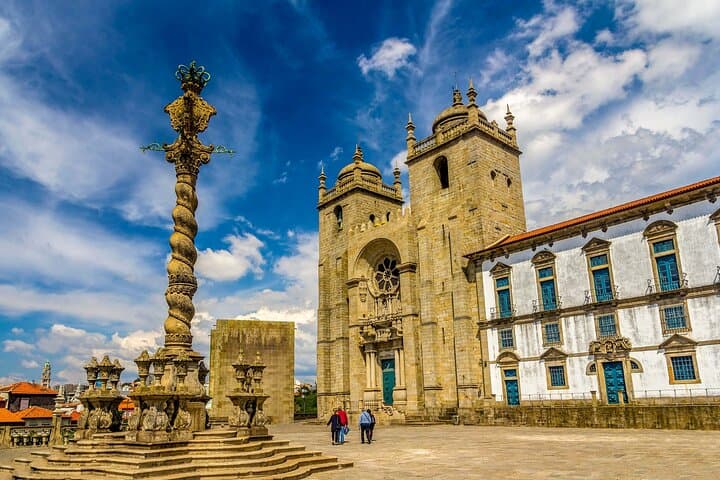
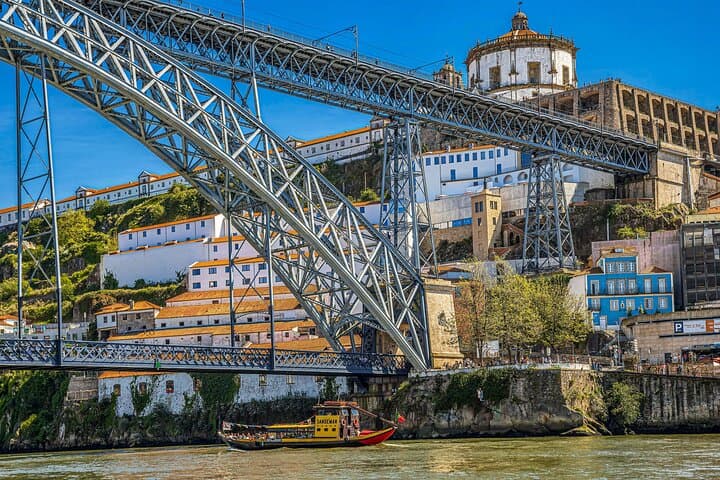
You step out of São Bento station into a hall of blue-and-white azulejos, the tiles still telling Portugal’s stories as the city pulls you toward the river. The route moves through narrow, cobbled alleys, opens onto Avenida dos Aliados, then threads past Baroque churches, Belle Époque cafés, and the iron lattice of the Luís I Bridge that dares you to cross into Vila Nova de Gaia for its port wine lodges.
You step out of São Bento station into a hall of blue-and-white azulejos, the tiles still telling Portugal’s stories as the city pulls you toward the river. The route moves through narrow, cobbled alleys, opens onto Avenida dos Aliados, then threads past Baroque churches, Belle Époque cafés, and the iron lattice of the Luís I Bridge that dares you to cross into Vila Nova de Gaia for its port wine lodges.
Porto’s built fabric is layered: medieval walls and 18th–19th century architecture sit on granite bedrock carved by the Douro, while centuries of maritime trade shaped the city’s culture and cuisine. Azulejo panels at São Bento and the Chapel of Souls show religious and civic narratives; Livraria Lello and Palácio da Bolsa echo the city’s literary and mercantile past.
Expect roughly 3.5–4.5 km of walking over uneven cobbles, with intermittent staircases and 60–100 m cumulative elevation change depending on detours (Clérigos Tower adds a 225-step climb if you opt in). Terrain alternates flat riverside promenades and steep, narrow streets; good traction matters.
Practical: download and activate the audioguide before you go, carry a power bank, and wear supportive shoes. Start early to avoid peak crowds at Livraria Lello and the wine cellars, and plan extra time if you want tastings or museum entries. Keep water handy—Portuguese cafés are frequent but queues build in summer.
This self-guided walk balances history and independent pacing: it’s immersive, manageable, and designed so your smartphone becomes the guide while Porto’s streets do the rest.