THE ADVENTURE COLLECTIVE® · Independent discovery and booking for outdoor travel

Walk Porto’s Old Town as a puzzle: follow offline clues from São Bento through medieval lanes, solve location-based riddles, and uncover stories tied to the Age of Discoveries and baroque facades. A compact, 80-minute urban adventure suited to families and curious travelers.
Walk Porto’s Old Town as a puzzle: follow offline clues from São Bento through medieval lanes, solve location-based riddles, and uncover stories tied to the Age of Discoveries and baroque facades. A compact, 80-minute urban adventure suited to families and curious travelers.
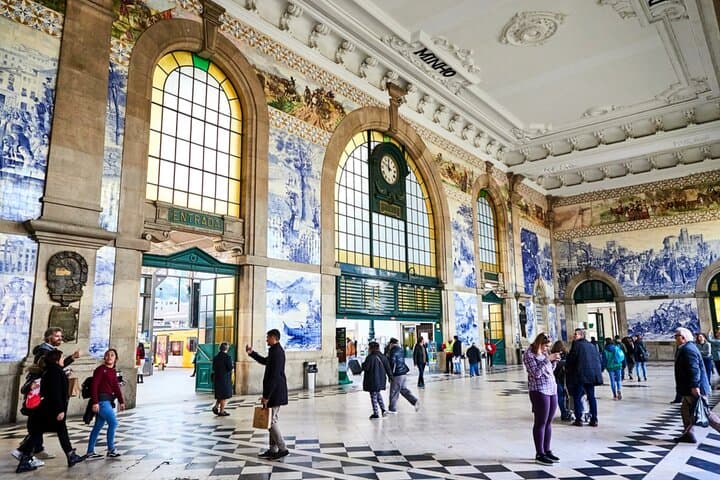
You step off the tram, cobbles underfoot, and the Azores-tinted sky opens above Avenida dos Aliados. The city game begins at São Bento station: a square of carved stone, tiled facades, and the hush of history. Clues point you down alleys and up flights of worn granite steps; each solved riddle unlocks a story tied to a particular façade, statue, or lookout.
Verified experiences and guided adventures in the surrounding area.
Operated by Questo · Porto, Porto
You step off the tram, cobbles underfoot, and the Azores-tinted sky opens above Avenida dos Aliados. The city game begins at São Bento station: a square of carved stone, tiled facades, and the hush of history. Clues point you down alleys and up flights of worn granite steps; each solved riddle unlocks a story tied to a particular façade, statue, or lookout.
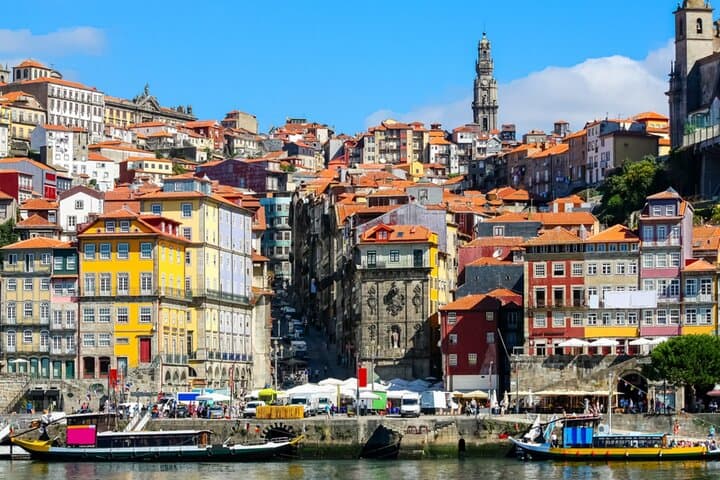
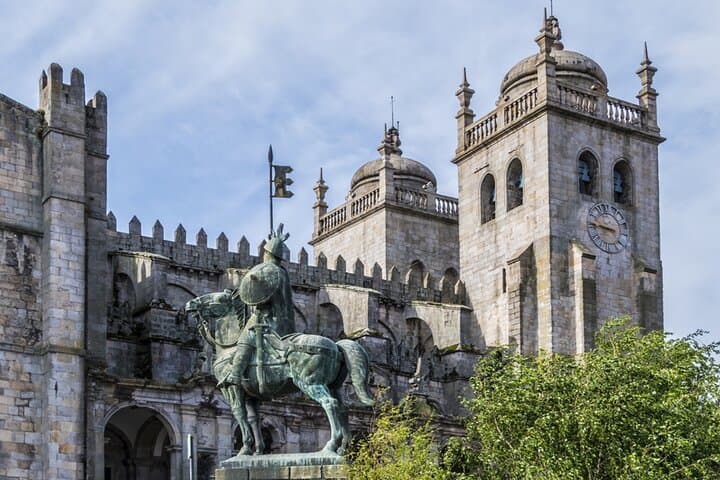
Porto’s streets are geological and cultural layers. Romanesque churches, Baroque churches and neoclassical boulevards sit atop medieval walls and older Atlantic trade routes. Prince Henry the Navigator and the city’s port wine merchants left visible marks — monuments, merchants’ houses and riverside warehouses along the Douro. The Old Town’s tiles and granite tell a practical story of trade, salt, and shipbuilding rather than myth.
Expect roughly 1.5–2.5 km of walking across uneven cobbles with short, steep stair climbs and viewpoints that deliver sudden panoramas of the Douro. The game runs about 80 minutes at a relaxed pace and is designed to be played offline — you won’t need a guide or constant signal. Wear sturdy shoes, bring water, and leave room in your schedule to stop for a coffee or a quick port tasting in Ribeira once the route delivers you to the river.
This is an urban field trip: low-impact on fitness but high on attention to detail. Play during morning light to avoid crowds on stairways and to read plaques in comfort. The format suits couples, families and small groups who like puzzles and local history without the logistics of a guided tour.
easy.
80 minutes.
Basic urban fitness; able to walk 1.5–3 km on uneven ground and climb short flights of stone steps.
No—this self-guided game provides step-by-step directions and works offline so you won't need a guide or continuous GPS.
Parts of the Old Town include steep staircases and uneven cobbles; while some sections are stroller-accessible, full wheelchair access is limited.
The experience is designed for about 80 minutes at a relaxed pace, though groups that stop frequently for photos or tastings should allow extra time.
Yes—the activity is available 24/7 and is private, so you can start whenever you like and pause or resume as needed.
Porto — often called ‘Invicta’ — grew wealthy as a node in Atlantic trade and the port wine commerce; many Old Town streets reflect mercantile and maritime functions dating back to medieval times.
Porto’s historic centre is a protected UNESCO area; visitors are encouraged to stick to paths, avoid damaging tilework, and support local businesses to keep tourism sustainable.
Questo operates guided outdoor trips and adventures with an emphasis on safety, stewardship, and memorable experiences.
You step off the tram, cobbles underfoot, and the Azores-tinted sky opens above Avenida dos Aliados. The city game begins at São Bento station: a square of carved stone, tiled facades, and the hush of history. Clues point you down alleys and up flights of worn granite steps; each solved riddle unlocks a story tied to a particular façade, statue, or lookout.
You step off the tram, cobbles underfoot, and the Azores-tinted sky opens above Avenida dos Aliados. The city game begins at São Bento station: a square of carved stone, tiled facades, and the hush of history. Clues point you down alleys and up flights of worn granite steps; each solved riddle unlocks a story tied to a particular façade, statue, or lookout.
Porto’s streets are geological and cultural layers. Romanesque churches, Baroque churches and neoclassical boulevards sit atop medieval walls and older Atlantic trade routes. Prince Henry the Navigator and the city’s port wine merchants left visible marks — monuments, merchants’ houses and riverside warehouses along the Douro. The Old Town’s tiles and granite tell a practical story of trade, salt, and shipbuilding rather than myth.
Expect roughly 1.5–2.5 km of walking across uneven cobbles with short, steep stair climbs and viewpoints that deliver sudden panoramas of the Douro. The game runs about 80 minutes at a relaxed pace and is designed to be played offline — you won’t need a guide or constant signal. Wear sturdy shoes, bring water, and leave room in your schedule to stop for a coffee or a quick port tasting in Ribeira once the route delivers you to the river.
This is an urban field trip: low-impact on fitness but high on attention to detail. Play during morning light to avoid crowds on stairways and to read plaques in comfort. The format suits couples, families and small groups who like puzzles and local history without the logistics of a guided tour.