THE ADVENTURE COLLECTIVE® · Independent discovery and booking for outdoor travel

Walk from Henry the Navigator’s square through Porto’s oldest neighborhoods, cross the Douro on foot and finish with sweeping views from Gaia. This two-hour guided stroll blends history, architecture, and local tips to help you experience Porto like a resident.
Walk from Henry the Navigator’s square through Porto’s oldest neighborhoods, cross the Douro on foot and finish with sweeping views from Gaia. This two-hour guided stroll blends history, architecture, and local tips to help you experience Porto like a resident.
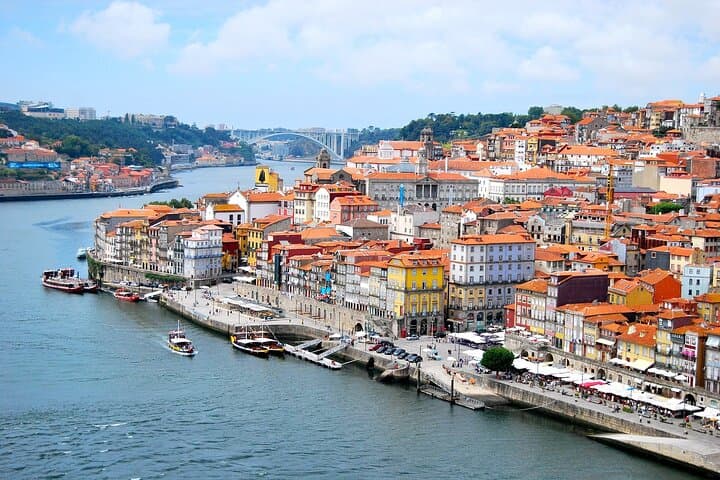
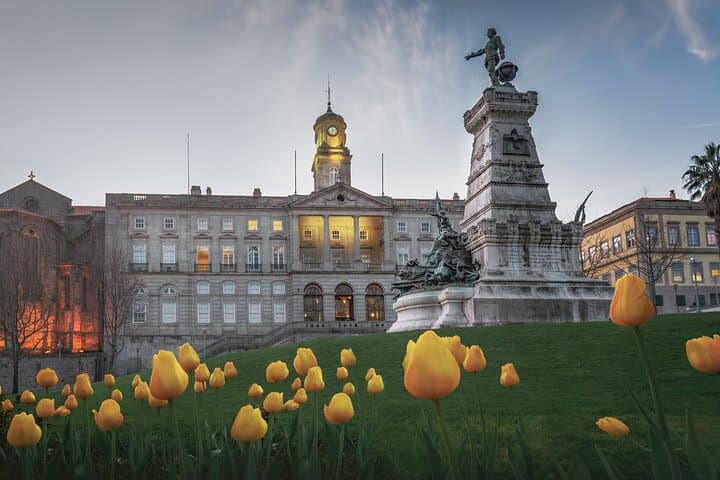
Stand at the base of the Monument to Henry the Navigator and the city opens like a map of trade winds and stone: narrow alleys dropping toward the Douro, tiled facades bright with sunlight, and the river daring you to cross.
Verified experiences and guided adventures in the surrounding area.
Operated by Amsterdam Guías & Tours · Porto, Porto
Stand at the base of the Monument to Henry the Navigator and the city opens like a map of trade winds and stone: narrow alleys dropping toward the Douro, tiled facades bright with sunlight, and the river daring you to cross.
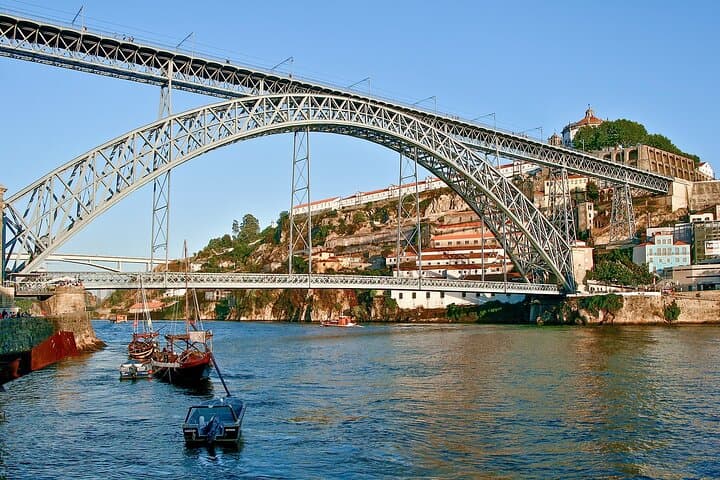
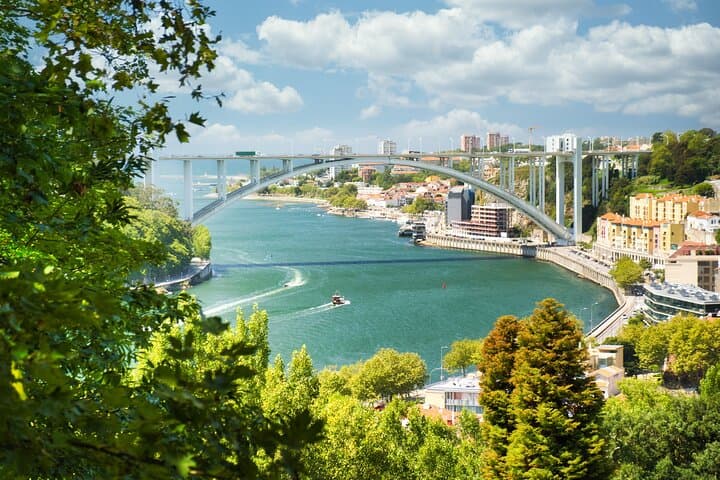
This two-hour walk threads Porto’s medieval core—Barredo and Ribeira—then crosses to Vila Nova de Gaia for one of the city’s best vantage points. You’ll hear how Henry’s expeditions launched Portugal onto the world stage, how the Douro carved terraces upriver that gave birth to Port wine, and why bridges here have been strategic and symbolic for centuries.
Geology and urban form are plain to see: granite outcrops, steep inclines, and cobbled streets that channel rain to the river. Culture arrives in azulejo panels and neighborhood bakeries; the Douro’s edge still smells faintly of yeast and oak. Guides point out architectural details—from the stock exchange palace to the ornate Church of St. Francis—while sharing practical tips on where locals eat and how to avoid midday crowds.
Expect easy-paced walking, several stair sections and uneven cobbles; bring comfortable shoes and a light jacket. The route is compact—about two hours—so it works as an afternoon primer before a tasting or a river cruise. Arrive 5–10 minutes early at the Infante monument, follow the guide with a blue umbrella, and allow yourself to move at a local’s pace: curious, observant, and ready to cross the river on foot.
easy.
2 hours.
Suitable for most fitness levels; requires comfortable walking and negotiating stairs and uneven cobbles.
No—tasting is not included, but the guide will point out notable cellars in Gaia where you can continue for a paid tasting.
The tour meets at the Monumento ao Infante Dom Henrique; look for the guide with a blue umbrella and arrive 5–10 minutes early.
Yes; the pace is easy but there are stairs and uneven surfaces, so mobility limitations should be considered.
The guide speaks English and Spanish, and the group is kept small for a more personal experience.
Porto’s fortunes rose with maritime trade and the Age of Discoveries; the Douro valley’s terraced vineyards produced fortified wines that became globally famous as Port.
Urban tourism pressures the Ribeira and waterfront; stick to marked paths, avoid littering, and choose local businesses that follow sustainable practices.
Amsterdam Guías & Tours operates guided outdoor trips and adventures with an emphasis on safety, stewardship, and memorable experiences.
Stand at the base of the Monument to Henry the Navigator and the city opens like a map of trade winds and stone: narrow alleys dropping toward the Douro, tiled facades bright with sunlight, and the river daring you to cross.
Stand at the base of the Monument to Henry the Navigator and the city opens like a map of trade winds and stone: narrow alleys dropping toward the Douro, tiled facades bright with sunlight, and the river daring you to cross.
This two-hour walk threads Porto’s medieval core—Barredo and Ribeira—then crosses to Vila Nova de Gaia for one of the city’s best vantage points. You’ll hear how Henry’s expeditions launched Portugal onto the world stage, how the Douro carved terraces upriver that gave birth to Port wine, and why bridges here have been strategic and symbolic for centuries.
Geology and urban form are plain to see: granite outcrops, steep inclines, and cobbled streets that channel rain to the river. Culture arrives in azulejo panels and neighborhood bakeries; the Douro’s edge still smells faintly of yeast and oak. Guides point out architectural details—from the stock exchange palace to the ornate Church of St. Francis—while sharing practical tips on where locals eat and how to avoid midday crowds.
Expect easy-paced walking, several stair sections and uneven cobbles; bring comfortable shoes and a light jacket. The route is compact—about two hours—so it works as an afternoon primer before a tasting or a river cruise. Arrive 5–10 minutes early at the Infante monument, follow the guide with a blue umbrella, and allow yourself to move at a local’s pace: curious, observant, and ready to cross the river on foot.