THE ADVENTURE COLLECTIVE® · Independent discovery and booking for outdoor travel

Turn Porto’s Gaia waterfront into a puzzle: this self-guided scavenger hunt uses an app to lead you to riverside viewpoints, hidden details and historic cellars at your own pace. Expect 1–2 hours of walking, photo challenges and local history woven into each clue.
Turn Porto’s Gaia waterfront into a puzzle: this self-guided scavenger hunt uses an app to lead you to riverside viewpoints, hidden details and historic cellars at your own pace. Expect 1–2 hours of walking, photo challenges and local history woven into each clue.
Morning light cuts across the iron ribs of the Ponte Luís I as a pair of travelers unlock the Explorial app and step toward Jardim do Morro. The game begins like a map with a pulse—clues lead from viewpoints above the Douro to the riverfront warehouses, and the city answers in cobble, tile, and angled roofs.
Verified experiences and guided adventures in the surrounding area.
Operated by Explorial · Vila Nova de Gaia, Porto District
Morning light cuts across the iron ribs of the Ponte Luís I as a pair of travelers unlock the Explorial app and step toward Jardim do Morro. The game begins like a map with a pulse—clues lead from viewpoints above the Douro to the riverfront warehouses, and the city answers in cobble, tile, and angled roofs.
Vila Nova de Gaia grew as the riverside storehouse for Port wine; its quays and cellars sit on older granite foundations carved by the Douro estuary. Culture here is hands-on: merchants, boatmen and cellar workers left practical marks on streets and façades that the scavenger hunt teases into view. The route threads theater fronts, ironwork bridges and lesser-known alleys where azulejo panels and vintage signs tell local stories.
Expect a mostly flat, urban walk of roughly 2–4 km with under 100 m of cumulative elevation—cobbled streets and occasional steps shape the pace more than steep climbs. The experience is sensory: river scent on a breeze, gulls hovering over cargo ships, and the tactile click of stone underfoot.
Practical edge: download the Explorial app and redeem your access code before you start, bring a fully charged phone plus a small power bank, and wear grippy shoes for wet cobbles. Aim for early morning or late afternoon to avoid peak cruise crowds and to catch softer light for photo challenges. The tour is self-paced and family-friendly, making it an accessible way to learn local history while turning sightseeing into a playful city exploration.
easy.
1–2 hours.
Suitable for most fitness levels; able to walk up to 4 km and handle short flights of steps
Yes—buying the ticket provides an access code; enter it in the Explorial app and test it before you begin.
The tour is family-friendly and physically easy, though cobbles and steps may be challenging for mobility-impaired participants.
The experience is offered in English and Portuguese via the app; check the app settings for language selection.
Yes—the self-guided format lets you stop and resume; the app stores progress so you can take breaks or return the same day.
Vila Nova de Gaia became the storage and aging hub for Port wine in the 18th century; many riverside warehouses were built to service wine trade across the Douro.
High foot traffic near cellars and viewpoints means visitors should stick to marked paths, avoid climbing on historic walls, and support local businesses to sustain community benefits.
Explorial operates guided outdoor trips and adventures with an emphasis on safety, stewardship, and memorable experiences.

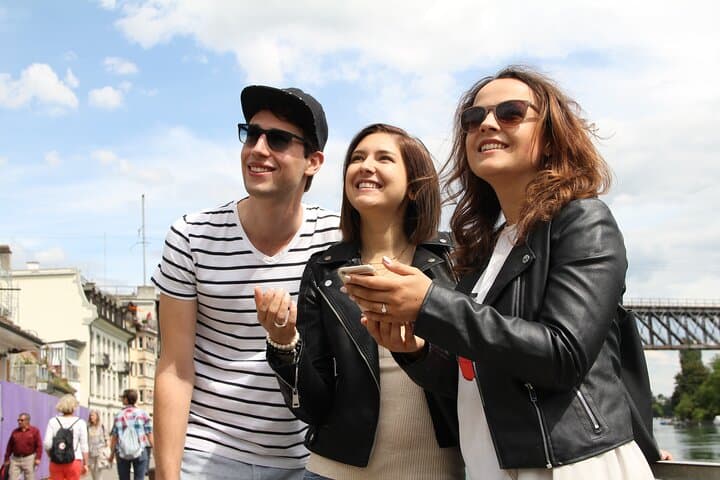

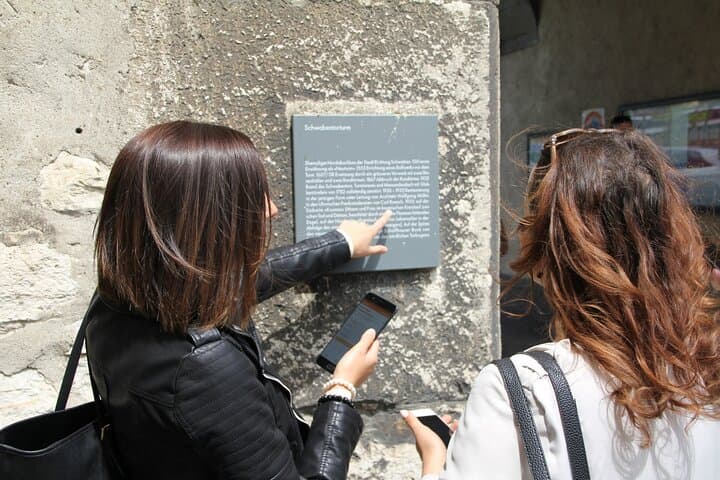
Morning light cuts across the iron ribs of the Ponte Luís I as a pair of travelers unlock the Explorial app and step toward Jardim do Morro. The game begins like a map with a pulse—clues lead from viewpoints above the Douro to the riverfront warehouses, and the city answers in cobble, tile, and angled roofs.
Morning light cuts across the iron ribs of the Ponte Luís I as a pair of travelers unlock the Explorial app and step toward Jardim do Morro. The game begins like a map with a pulse—clues lead from viewpoints above the Douro to the riverfront warehouses, and the city answers in cobble, tile, and angled roofs.
Vila Nova de Gaia grew as the riverside storehouse for Port wine; its quays and cellars sit on older granite foundations carved by the Douro estuary. Culture here is hands-on: merchants, boatmen and cellar workers left practical marks on streets and façades that the scavenger hunt teases into view. The route threads theater fronts, ironwork bridges and lesser-known alleys where azulejo panels and vintage signs tell local stories.
Expect a mostly flat, urban walk of roughly 2–4 km with under 100 m of cumulative elevation—cobbled streets and occasional steps shape the pace more than steep climbs. The experience is sensory: river scent on a breeze, gulls hovering over cargo ships, and the tactile click of stone underfoot.
Practical edge: download the Explorial app and redeem your access code before you start, bring a fully charged phone plus a small power bank, and wear grippy shoes for wet cobbles. Aim for early morning or late afternoon to avoid peak cruise crowds and to catch softer light for photo challenges. The tour is self-paced and family-friendly, making it an accessible way to learn local history while turning sightseeing into a playful city exploration.