THE ADVENTURE COLLECTIVE® · Independent discovery and booking for outdoor travel

See Porto’s hilltop monuments, cross Luís I Bridge to Gaia’s riverfront cellars and finish with Atlantic air at Matosinhos Beach on this private half-day panoramic tour. Practical tips on timing, footwear and where to pause for the best views.
See Porto’s hilltop monuments, cross Luís I Bridge to Gaia’s riverfront cellars and finish with Atlantic air at Matosinhos Beach on this private half-day panoramic tour. Practical tips on timing, footwear and where to pause for the best views.
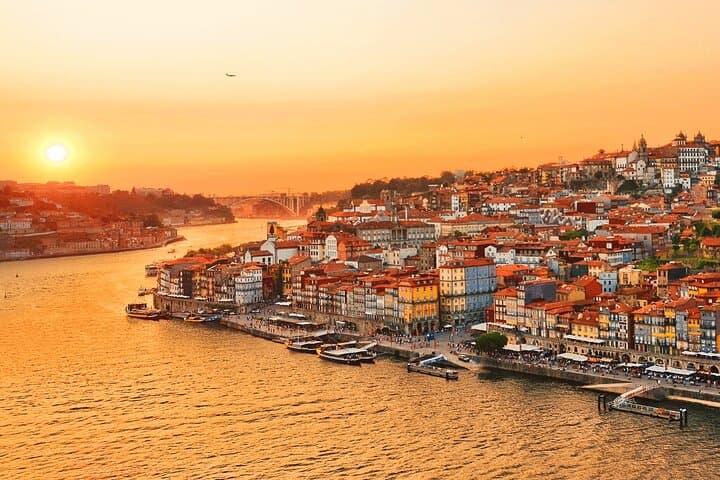
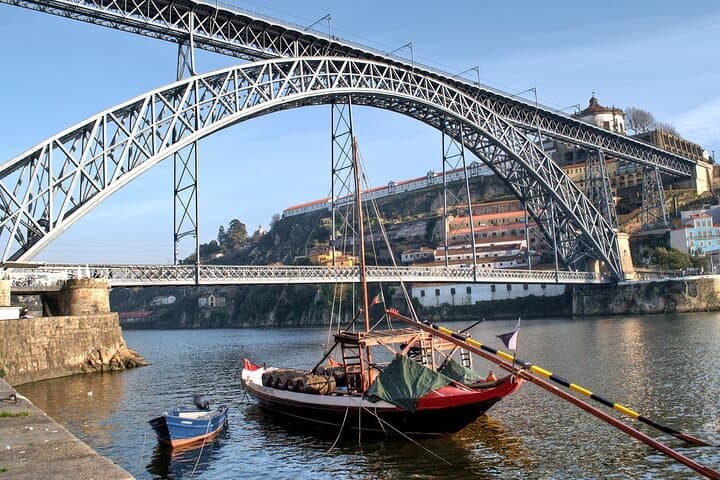
Morning light slices across the Douro as a compact, air-conditioned vehicle winds down from Porto’s hilltops toward the river. Cobbled streets give way to terraces and viewpoints; the driver pauses and the city opens — tile-faced stations, a bell tower, and the iron ribs of Luís I Bridge frame a travel tableau. The tour moves deliberately: quick urban highlights in Porto, a short crossing into Vila Nova de Gaia for riverside viewpoints and optional wine-cellar stops, then out to Matosinhos where the Atlantic wind dares you toward the sand and seafood restaurants.
Verified experiences and guided adventures in the surrounding area.
Operated by WONDERS TOURS · Porto, Porto
Morning light slices across the Douro as a compact, air-conditioned vehicle winds down from Porto’s hilltops toward the river. Cobbled streets give way to terraces and viewpoints; the driver pauses and the city opens — tile-faced stations, a bell tower, and the iron ribs of Luís I Bridge frame a travel tableau. The tour moves deliberately: quick urban highlights in Porto, a short crossing into Vila Nova de Gaia for riverside viewpoints and optional wine-cellar stops, then out to Matosinhos where the Atlantic wind dares you toward the sand and seafood restaurants.
Porto’s architecture records centuries — Romanesque churches, Baroque towers, and azulejo panels that narrate Portugal’s history. Geologically the region sits where the Douro estuary meets the Atlantic, so expect steep terraces carved by river and sea, and coastal sands shaped by strong westerly swells. Culturally this route blends working-port industry, wine-making tradition in Gaia, and a modern surf-and-seafood scene in Matosinhos.
Practically: the half-day runs about 3–4 hours with hotel pickup and drop-off, so pack light. Wear comfortable shoes for short, steep walks on cobbles and steps; bring layers — viewpoints are exposed and the coast can be windy. If you plan a cellar visit, reserve time for tasting and check operating hours. Photography is easiest at golden hour from Gaia’s upper gardens; for quieter streets, aim for mornings. Travelers with strollers or small children should note the vehicle accessibility and occasional steep steps in historic zones. Hydrate, carry small change for local purchases, and factor in time to sample a quick seafood bite in Matosinhos if schedules allow.
easy.
3–4 hours.
Light walking and short stair climbs; suitable for most fitness levels but expect steep, uneven streets.
Yes — pick-up and drop-off at your accommodation are included; confirm the exact pickup point when you book.
Cellar admissions and tastings are typically optional and may incur extra fees; check availability and reserve ahead if you want to participate.
The vehicle is stroller-accessible and infant seats are available, but some stops involve steep steps and uneven ground — plan accordingly.
Guides commonly speak Portuguese and English, and private tours often accommodate additional languages on request — confirm at booking.
Porto and Gaia evolved around the Douro estuary: the city rose as a commercial river port and Gaia developed its wine cellars where barrels were stored and shipped. The Luís I Bridge (1886) is a marked engineering landmark linking the two banks.
The Douro estuary and nearby coast face pressures from tourism and urban runoff; choose certified cellars, avoid single-use plastics where possible, and stick to marked paths to limit erosion.
WONDERS TOURS operates guided outdoor trips and adventures with an emphasis on safety, stewardship, and memorable experiences.


Morning light slices across the Douro as a compact, air-conditioned vehicle winds down from Porto’s hilltops toward the river. Cobbled streets give way to terraces and viewpoints; the driver pauses and the city opens — tile-faced stations, a bell tower, and the iron ribs of Luís I Bridge frame a travel tableau. The tour moves deliberately: quick urban highlights in Porto, a short crossing into Vila Nova de Gaia for riverside viewpoints and optional wine-cellar stops, then out to Matosinhos where the Atlantic wind dares you toward the sand and seafood restaurants.
Morning light slices across the Douro as a compact, air-conditioned vehicle winds down from Porto’s hilltops toward the river. Cobbled streets give way to terraces and viewpoints; the driver pauses and the city opens — tile-faced stations, a bell tower, and the iron ribs of Luís I Bridge frame a travel tableau. The tour moves deliberately: quick urban highlights in Porto, a short crossing into Vila Nova de Gaia for riverside viewpoints and optional wine-cellar stops, then out to Matosinhos where the Atlantic wind dares you toward the sand and seafood restaurants.
Porto’s architecture records centuries — Romanesque churches, Baroque towers, and azulejo panels that narrate Portugal’s history. Geologically the region sits where the Douro estuary meets the Atlantic, so expect steep terraces carved by river and sea, and coastal sands shaped by strong westerly swells. Culturally this route blends working-port industry, wine-making tradition in Gaia, and a modern surf-and-seafood scene in Matosinhos.
Practically: the half-day runs about 3–4 hours with hotel pickup and drop-off, so pack light. Wear comfortable shoes for short, steep walks on cobbles and steps; bring layers — viewpoints are exposed and the coast can be windy. If you plan a cellar visit, reserve time for tasting and check operating hours. Photography is easiest at golden hour from Gaia’s upper gardens; for quieter streets, aim for mornings. Travelers with strollers or small children should note the vehicle accessibility and occasional steep steps in historic zones. Hydrate, carry small change for local purchases, and factor in time to sample a quick seafood bite in Matosinhos if schedules allow.