THE ADVENTURE COLLECTIVE® · Independent discovery and booking for outdoor travel

Explore Porto Flavia’s dramatic coastal tunnels and early-20th-century mining engineering on a guided day trip from Chia. This 4–5 hour excursion pairs cliff-top views with industrial history and practical coastal hiking.
Explore Porto Flavia’s dramatic coastal tunnels and early-20th-century mining engineering on a guided day trip from Chia. This 4–5 hour excursion pairs cliff-top views with industrial history and practical coastal hiking.
You step out on a coastal road where basalt cliffs meet a restless sea and the old ore-loading mouths stare like portholes into history. Salt wind pushes at your jacket; below, the sea dares you from the drop. The guide points to carved tunnels and the mechanical hatches that once fed zinc powder into waiting ships — the stone still smells faintly of metal and old smoke.
Verified experiences and guided adventures in the surrounding area.
Operated by Bitan Daily Tours · Masua, Sardinia
You step out on a coastal road where basalt cliffs meet a restless sea and the old ore-loading mouths stare like portholes into history. Salt wind pushes at your jacket; below, the sea dares you from the drop. The guide points to carved tunnels and the mechanical hatches that once fed zinc powder into waiting ships — the stone still smells faintly of metal and old smoke.
Porto Flavia was cut into the Masua headland in the early 1920s to speed ore exports from the Sulcis mining district. The excavation bridged geology and engineering: hard volcanic basalt above softer layers that miners hollowed into vertical reservoirs. The region’s mining legacy is visible in rusted rails, concrete towers and the Italian-Belgian industrial footprint that reshaped coastal villages.
Culturally, the tour threads mining anecdotes with local life — from reef fishermen to shepherds in nearby hills — and the guide often spins personal stories of families who worked the shafts. Expect narrow galleries, concrete loading hatches, and a view of the Pan di Zucchero sea stack across the cove.
Practical guidance: allow 4–5 hours for round-trip transport and the site visit. Wear sturdy shoes and a windproof layer; cliff paths can be uneven and exposed. Bring bottled water and sun protection in summer and a warm midlayer in shoulder seasons. Photography is worth the extra memory cards — the angles of rock, sea and rusty iron make for striking compositions. Respect barriers, follow the guide, and keep to designated paths to protect the fragile cliff ecology.
easy.
4–5 hours.
Suitable for people with basic mobility; involves short walks on uneven terrain and some cliffside paths.
The tour runs about 4–5 hours including transport from Chia, on-site time at Porto Flavia, and return.
No technical ability is required; expect moderate walking on uneven ground and some narrow tunnel approaches guided by staff.
Yes, but families should supervise children near cliff edges; infant seats and stroller access are listed as available for the transport portion.
Yes — the guided visit includes access to the main viewpoints and galleries described in the itinerary; follow the guide for safe access.
Porto Flavia was engineered in 1924 to speed ore loading from the Sulcis mines, combining innovative conveyor systems and vertical storage cut into basalt cliffs.
Cliff ecosystems and historic structures are sensitive; stick to marked trails, avoid touching fragile wall surfaces, and support local guides who help manage visitor impact.
Bitan Daily Tours operates guided outdoor trips and adventures with an emphasis on safety, stewardship, and memorable experiences.
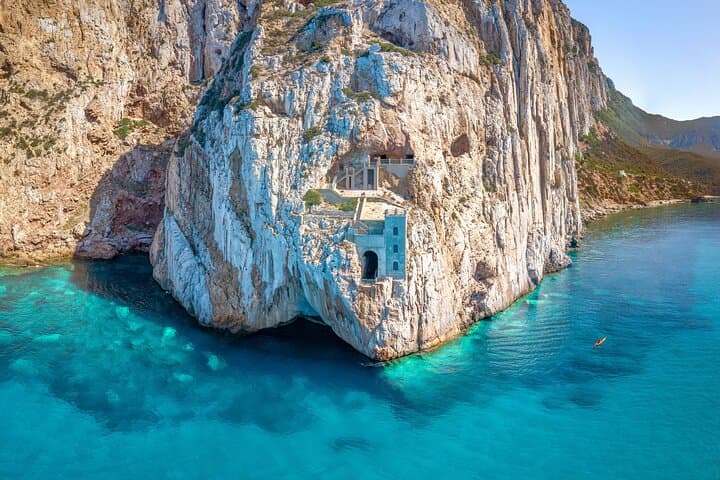
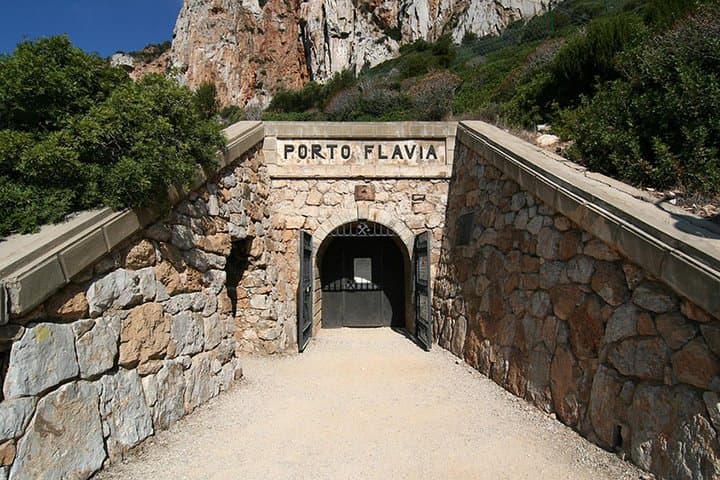
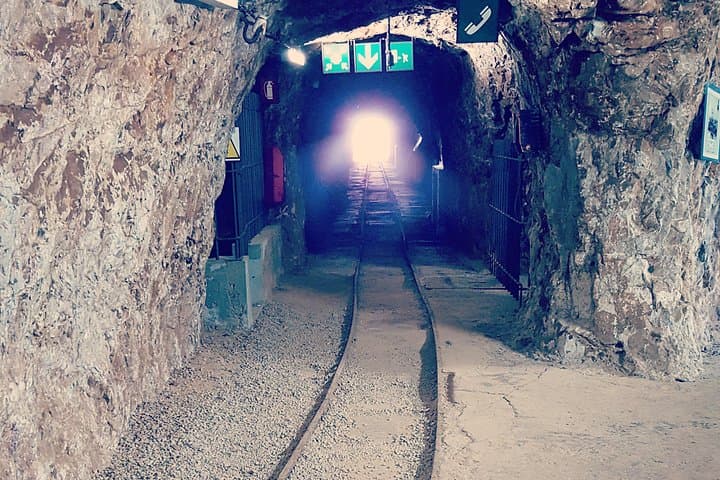
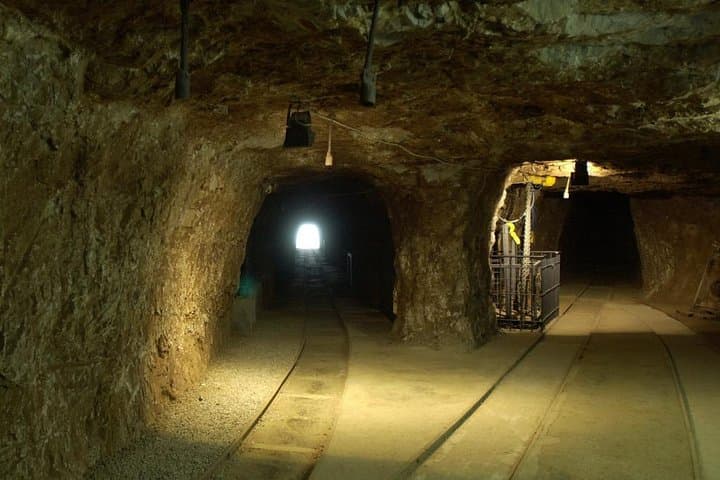
You step out on a coastal road where basalt cliffs meet a restless sea and the old ore-loading mouths stare like portholes into history. Salt wind pushes at your jacket; below, the sea dares you from the drop. The guide points to carved tunnels and the mechanical hatches that once fed zinc powder into waiting ships — the stone still smells faintly of metal and old smoke.
You step out on a coastal road where basalt cliffs meet a restless sea and the old ore-loading mouths stare like portholes into history. Salt wind pushes at your jacket; below, the sea dares you from the drop. The guide points to carved tunnels and the mechanical hatches that once fed zinc powder into waiting ships — the stone still smells faintly of metal and old smoke.
Porto Flavia was cut into the Masua headland in the early 1920s to speed ore exports from the Sulcis mining district. The excavation bridged geology and engineering: hard volcanic basalt above softer layers that miners hollowed into vertical reservoirs. The region’s mining legacy is visible in rusted rails, concrete towers and the Italian-Belgian industrial footprint that reshaped coastal villages.
Culturally, the tour threads mining anecdotes with local life — from reef fishermen to shepherds in nearby hills — and the guide often spins personal stories of families who worked the shafts. Expect narrow galleries, concrete loading hatches, and a view of the Pan di Zucchero sea stack across the cove.
Practical guidance: allow 4–5 hours for round-trip transport and the site visit. Wear sturdy shoes and a windproof layer; cliff paths can be uneven and exposed. Bring bottled water and sun protection in summer and a warm midlayer in shoulder seasons. Photography is worth the extra memory cards — the angles of rock, sea and rusty iron make for striking compositions. Respect barriers, follow the guide, and keep to designated paths to protect the fragile cliff ecology.