THE ADVENTURE COLLECTIVE® · Independent discovery and booking for outdoor travel

Spend a full day from Porto exploring Guimarães—the birthplace of Portugal—and Braga’s cathedral and Bom Jesus sanctuary, with a traditional minhoto lunch and vinho verde included. Expect cobbled streets, medieval architecture, and a 19th‑century hydraulic elevator at Bom Jesus.
Spend a full day from Porto exploring Guimarães—the birthplace of Portugal—and Braga’s cathedral and Bom Jesus sanctuary, with a traditional minhoto lunch and vinho verde included. Expect cobbled streets, medieval architecture, and a 19th‑century hydraulic elevator at Bom Jesus.
A morning bus slips away from Porto as the city’s tile roofs shrink behind you and the landscape of northern Portugal unfurls—granite ridges, vineyard terraces, and the occasional river daring you toward greener valleys.
Verified experiences and guided adventures in the surrounding area.
Operated by Go Travel Everywhere · Porto, Porto District
A morning bus slips away from Porto as the city’s tile roofs shrink behind you and the landscape of northern Portugal unfurls—granite ridges, vineyard terraces, and the occasional river daring you toward greener valleys.
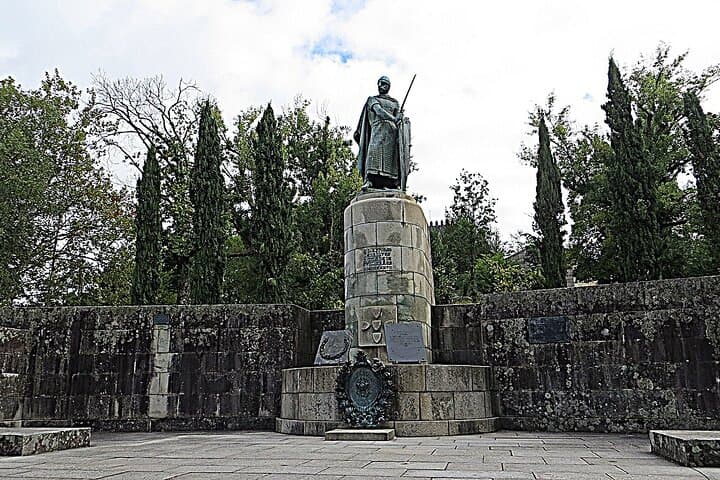
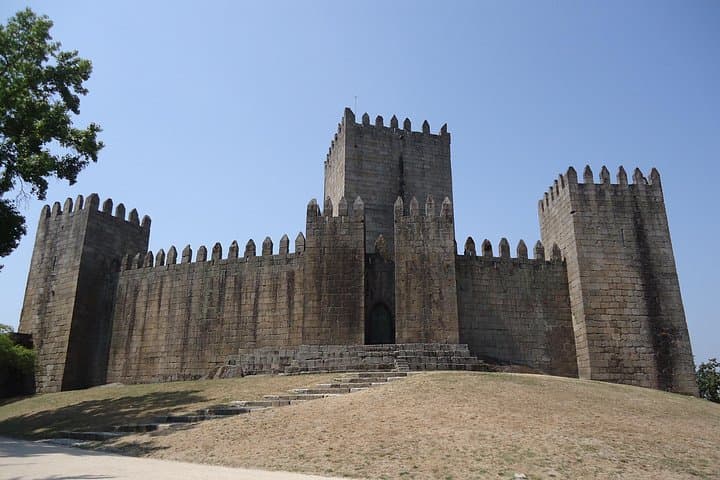
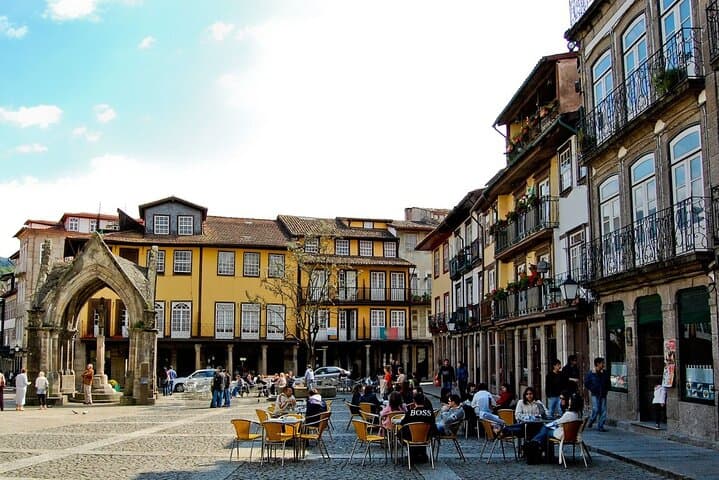
The day centers on two historic cities. Guimarães, often called the cradle of Portugal, opens with its 10th-century castle and the 15th-century Palace of the Dukes of Bragança: stone chambers and defensive walls that speak to medieval geopolitics and early nation-building. The city’s compact historic center—UNESCO-listed—is a walkable patchwork of cobbles and narrow alleys where local commerce still follows old rhythms.
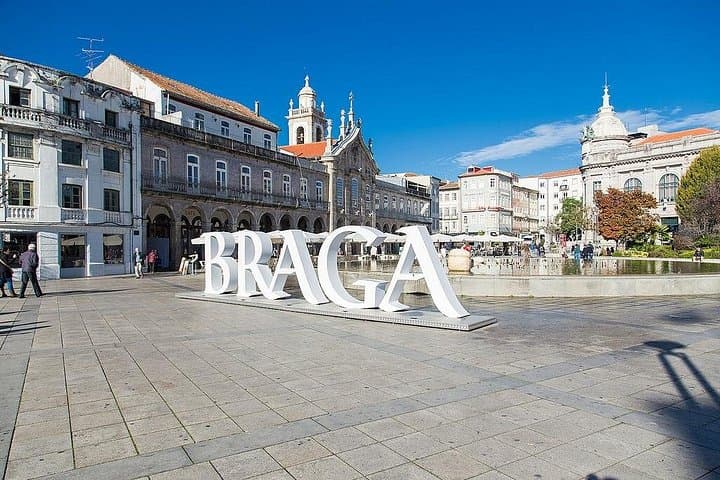
After a minhoto lunch paired with vinho verde (the region’s fresh, slightly effervescent “green” wine), the tour moves to Braga. Its cathedral (Sé de Braga) anchors centuries of Romanesque and Baroque layers, while the Bom Jesus do Monte sanctuary crowns a wooded slope with its baroque staircase and a 19th‑century hydraulic elevator—an engineered curiosity amid devotional architecture.
Practical notes: expect 8–10 hours with multiple short walking stops and uneven cobbles; bring comfortable shoes, a light rain layer, and a refillable water bottle. Mobility differs between flat historic streets and steep stairways at Bom Jesus—ask about the water elevator if stairs are an issue. Mornings are best for fewer crowds; photography lovers will find classic compositions at castle ramparts and the Bom Jesus viewpoints.
This is a cultured day trip that balances history, architecture, and regional flavors—ideal for travelers wanting a concentrated taste of northern Portugal’s past and landscape.
easy.
8–10 hours.
Suitable for most fitness levels; involves moderate walking on cobbles and some stair climbs at Bom Jesus
Departure is from central Porto pickup points—confirm exact location and time on your booking voucher; some tours offer hotel pickup within the city.
Yes—infants and small children can ride in strollers; children under 12 must be accompanied and the operator should be informed at booking for appropriate seating.
Yes—entrance to Guimarães Castle, the Dukes’ Palace, Braga Cathedral, and Bom Jesus gardens are included along with a typical minhoto lunch and a visit to a vinho verde (green wine) production site.
Yes—the hydraulic water elevator provides a less strenuous option to reach the sanctuary; notify the operator in advance if you require assistance.
Guimarães is commonly regarded as the birthplace of Portugal, with the castle and São Miguel Church linked to early medieval foundations; Braga evolved as a major ecclesiastical center with layers of Romanesque and Baroque heritage.
Both historic centers are protected under heritage regulations—stay on marked paths, avoid touching delicate monuments, and support local businesses to sustain preservation efforts.
Go Travel Everywhere operates guided outdoor trips and adventures with an emphasis on safety, stewardship, and memorable experiences.
A morning bus slips away from Porto as the city’s tile roofs shrink behind you and the landscape of northern Portugal unfurls—granite ridges, vineyard terraces, and the occasional river daring you toward greener valleys.
A morning bus slips away from Porto as the city’s tile roofs shrink behind you and the landscape of northern Portugal unfurls—granite ridges, vineyard terraces, and the occasional river daring you toward greener valleys.
The day centers on two historic cities. Guimarães, often called the cradle of Portugal, opens with its 10th-century castle and the 15th-century Palace of the Dukes of Bragança: stone chambers and defensive walls that speak to medieval geopolitics and early nation-building. The city’s compact historic center—UNESCO-listed—is a walkable patchwork of cobbles and narrow alleys where local commerce still follows old rhythms.
After a minhoto lunch paired with vinho verde (the region’s fresh, slightly effervescent “green” wine), the tour moves to Braga. Its cathedral (Sé de Braga) anchors centuries of Romanesque and Baroque layers, while the Bom Jesus do Monte sanctuary crowns a wooded slope with its baroque staircase and a 19th‑century hydraulic elevator—an engineered curiosity amid devotional architecture.
Practical notes: expect 8–10 hours with multiple short walking stops and uneven cobbles; bring comfortable shoes, a light rain layer, and a refillable water bottle. Mobility differs between flat historic streets and steep stairways at Bom Jesus—ask about the water elevator if stairs are an issue. Mornings are best for fewer crowds; photography lovers will find classic compositions at castle ramparts and the Bom Jesus viewpoints.
This is a cultured day trip that balances history, architecture, and regional flavors—ideal for travelers wanting a concentrated taste of northern Portugal’s past and landscape.