THE ADVENTURE COLLECTIVE® · Independent discovery and booking for outdoor travel

Renting a bike in Porto transforms the city into a connected, two-wheeled playground—from Ribeira’s riverfront to Foz’s sea wall. This flexible rental gives you 1–4 days to explore historic hills, coastal avenues, and hidden viewpoints at your own pace.
Renting a bike in Porto transforms the city into a connected, two-wheeled playground—from Ribeira’s riverfront to Foz’s sea wall. This flexible rental gives you 1–4 days to explore historic hills, coastal avenues, and hidden viewpoints at your own pace.
You roll out of a narrow Rua in the historic center, gears clicking as tile gives way to wider avenues that aim straight for the Atlantic. The Douro murmurs to your left and the city stretches up in layers: ochre façades, tiled churches, trams climbing steep streets. A rented city bike makes those contrasts immediate—old stone and new sea air become a continuous route.
Verified experiences and guided adventures in the surrounding area.
Operated by TT3Ways · Porto, Norte
You roll out of a narrow Rua in the historic center, gears clicking as tile gives way to wider avenues that aim straight for the Atlantic. The Douro murmurs to your left and the city stretches up in layers: ochre façades, tiled churches, trams climbing steep streets. A rented city bike makes those contrasts immediate—old stone and new sea air become a continuous route.
Porto’s roots run along the Douro estuary; its streets reflect maritime trade, port wine cellars and 18th–19th century expansion toward Foz. Geology here is granite and schist—expect firm climbs and abrupt descents where old streets were carved into the slope. Culturally, cycling in Porto means weaving between locals, students and fishermen, and it offers a fast, low-impact way to read the city’s neighborhoods.
Practical guidance: rentals typically include helmet, map, padlock and roadside assistance within city limits. Expect a refundable deposit (around €50) and provide ID. Cobblestones (calçada) and tram tracks demand attention—wider tires and cautious speed help. Popular self-guided routes run along the riverside Ribeira to the Dom Luís I Bridge, up to the green terraces of Jardins do Palácio de Cristal, or west to Foz’s seawall.
Plan daytime rides for visibility, bring a light for dusk, and use marked bike lanes where present. Hydrate, secure valuables, and leave time to lock the bike and walk select historic alleys on foot—bikes extend your range but the best discoveries often require dismounting.
easy.
1–4 days.
Suitable for most fitness levels—short hills require basic leg strength and balance
You’ll need an ID number (passport or national ID) and a refundable deposit (commonly about €50) paid by card or cash.
Yes—rentals typically allow riding to Foz and along the oceanfront; confirm any geographic limits with the shop and watch coastal winds.
Most Porto rentals include a helmet, padlock and a city map; verify inclusions before booking if these items are essential to you.
A hybrid or city bike with wider tires and upright position is ideal for handling cobbles, short climbs and mixed urban terrain.
Porto grew from a riverside trading hub; its Ribeira district and riverside quays were central to the port wine trade that shaped the city’s architecture and economy.
Stick to existing bike lanes and paths, avoid riding on fragile riverbank vegetation, and use city bike racks to reduce street clutter and theft risk.
TT3Ways operates guided outdoor trips and adventures with an emphasis on safety, stewardship, and memorable experiences.
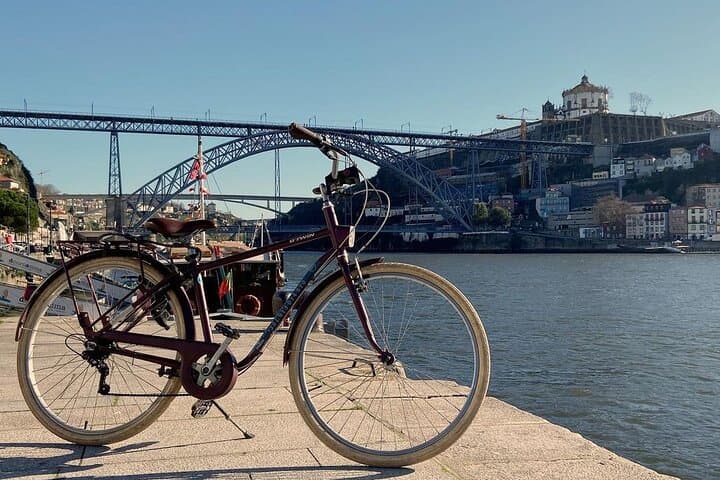
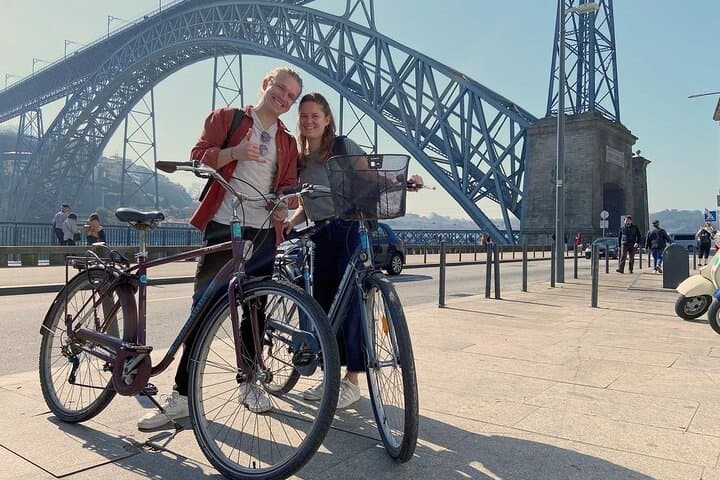
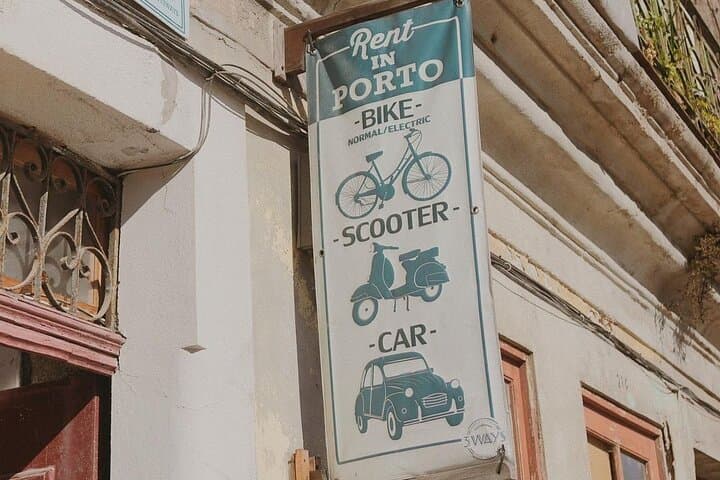
You roll out of a narrow Rua in the historic center, gears clicking as tile gives way to wider avenues that aim straight for the Atlantic. The Douro murmurs to your left and the city stretches up in layers: ochre façades, tiled churches, trams climbing steep streets. A rented city bike makes those contrasts immediate—old stone and new sea air become a continuous route.
You roll out of a narrow Rua in the historic center, gears clicking as tile gives way to wider avenues that aim straight for the Atlantic. The Douro murmurs to your left and the city stretches up in layers: ochre façades, tiled churches, trams climbing steep streets. A rented city bike makes those contrasts immediate—old stone and new sea air become a continuous route.
Porto’s roots run along the Douro estuary; its streets reflect maritime trade, port wine cellars and 18th–19th century expansion toward Foz. Geology here is granite and schist—expect firm climbs and abrupt descents where old streets were carved into the slope. Culturally, cycling in Porto means weaving between locals, students and fishermen, and it offers a fast, low-impact way to read the city’s neighborhoods.
Practical guidance: rentals typically include helmet, map, padlock and roadside assistance within city limits. Expect a refundable deposit (around €50) and provide ID. Cobblestones (calçada) and tram tracks demand attention—wider tires and cautious speed help. Popular self-guided routes run along the riverside Ribeira to the Dom Luís I Bridge, up to the green terraces of Jardins do Palácio de Cristal, or west to Foz’s seawall.
Plan daytime rides for visibility, bring a light for dusk, and use marked bike lanes where present. Hydrate, secure valuables, and leave time to lock the bike and walk select historic alleys on foot—bikes extend your range but the best discoveries often require dismounting.