THE ADVENTURE COLLECTIVE® · Independent discovery and booking for outdoor travel

Set out from Portland’s historic waterfront into Casco Bay to look for humpbacks, fin whales and minke whales. This 3–4 hour cruise pairs naturalist commentary with close-up marine life viewing and a dose of Maine maritime history.
Set out from Portland’s historic waterfront into Casco Bay to look for humpbacks, fin whales and minke whales. This 3–4 hour cruise pairs naturalist commentary with close-up marine life viewing and a dose of Maine maritime history.
The salt air hits first—brisk, iodine-bright—then the harbor opens and the city recedes to a line of brick and chimneys. Your boat slips past working piers and the squat profile of Portland Head Light, heading into Casco Bay where the Gulf of Maine pushes cold, nutrient-rich water toward the surface. On good days the sea does the inviting: a rolling cadence that makes the horizon feel alive and expectant.
Verified experiences and guided adventures in the surrounding area.
Operated by Maine Coast Cruising · Portland, Maine
The salt air hits first—brisk, iodine-bright—then the harbor opens and the city recedes to a line of brick and chimneys. Your boat slips past working piers and the squat profile of Portland Head Light, heading into Casco Bay where the Gulf of Maine pushes cold, nutrient-rich water toward the surface. On good days the sea does the inviting: a rolling cadence that makes the horizon feel alive and expectant.
This stretch of coast is both natural engine and maritime crossroads. Glacial sculpting left ledges and islands that concentrate plankton; that concentration draws baitfish, which in turn draws humpbacks, fin whales and minkes. Lighthouses like Portland Head Light (1791) and offshore markers such as Halfway Rock mark a long seafaring history—lobstermen, coastal pilots and now ecotour guides reading the same currents fishermen have used for centuries.
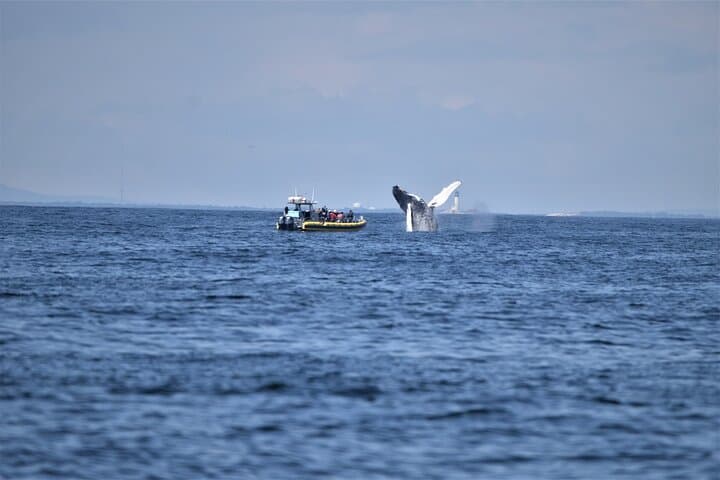
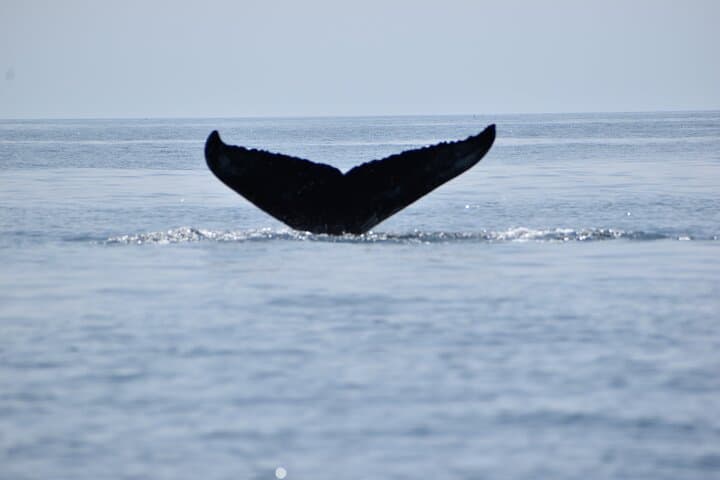
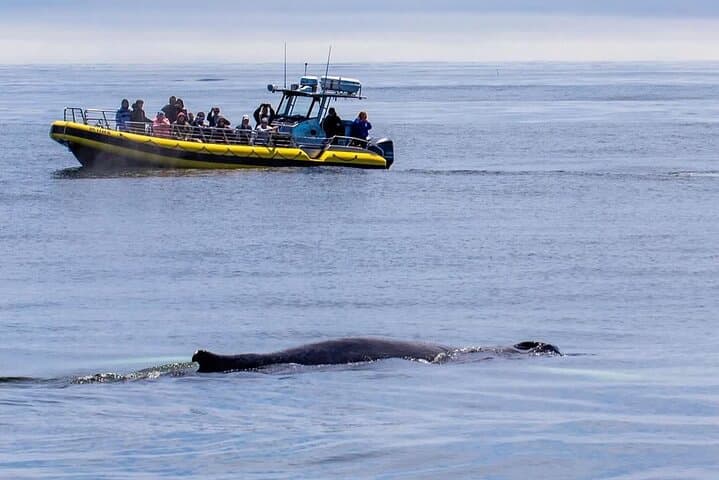
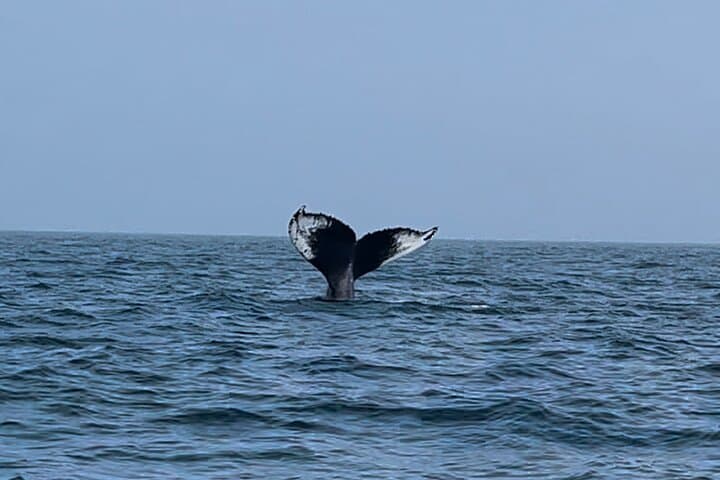
Expect dynamic wildlife viewing: whales breaching or tail-slapping, curious harbor seals on ledges, and terns and gannets cutting the sky. Naturalists aboard will interpret behaviors and point out how changing ocean temperatures influence feeding patterns.
Practical notes: tours run roughly 3–4 hours including transit time; dress in warm, waterproof layers and sturdy shoes for the dock. Bring binoculars, a charged camera with zoom, and motion-sickness prevention if you’re prone; boats are stable but the bay can be choppy. Boats follow marine mammal approach guidelines—observe quietly and stay ready to move with the animal. Morning departures tend to be calmer; late summer often brings the most predictable feeding activity. Plan for parking at the Thames Street lot, arrive early, and expect a mix of education and adrenaline as the ocean insists on its presence.
moderate.
3–4 hours.
Moderate fitness to board and stand for extended periods; ability to climb into gangway required
Humpbacks and fin whales are commonly sighted in summer months; minkes and transient species may appear depending on food concentrations.
Yes—boats are family-friendly but require boarding a gangway and standing for stretches; check mobility needs with the operator.
Tours may be canceled or rescheduled for safety due to high seas or storms; operators typically refund or rebook if conditions prohibit a safe outing.
Captains adhere to federal and local guidelines and will maintain respectful distances; vessels may maneuver to parallel whales but will not harass or encircle them.
Portland’s harbor and lighthouses (Portland Head Light, 1791) reflect its role as a long-standing fishing, shipping and pilotage center feeding local maritime culture.
Operators follow whale-approach regulations and support reporting sightings; warming waters and fishing pressures make respectful viewing and reduced vessel disturbance important for conservation.
Maine Coast Cruising operates guided outdoor trips and adventures with an emphasis on safety, stewardship, and memorable experiences.
The salt air hits first—brisk, iodine-bright—then the harbor opens and the city recedes to a line of brick and chimneys. Your boat slips past working piers and the squat profile of Portland Head Light, heading into Casco Bay where the Gulf of Maine pushes cold, nutrient-rich water toward the surface. On good days the sea does the inviting: a rolling cadence that makes the horizon feel alive and expectant.
The salt air hits first—brisk, iodine-bright—then the harbor opens and the city recedes to a line of brick and chimneys. Your boat slips past working piers and the squat profile of Portland Head Light, heading into Casco Bay where the Gulf of Maine pushes cold, nutrient-rich water toward the surface. On good days the sea does the inviting: a rolling cadence that makes the horizon feel alive and expectant.
This stretch of coast is both natural engine and maritime crossroads. Glacial sculpting left ledges and islands that concentrate plankton; that concentration draws baitfish, which in turn draws humpbacks, fin whales and minkes. Lighthouses like Portland Head Light (1791) and offshore markers such as Halfway Rock mark a long seafaring history—lobstermen, coastal pilots and now ecotour guides reading the same currents fishermen have used for centuries.
Expect dynamic wildlife viewing: whales breaching or tail-slapping, curious harbor seals on ledges, and terns and gannets cutting the sky. Naturalists aboard will interpret behaviors and point out how changing ocean temperatures influence feeding patterns.
Practical notes: tours run roughly 3–4 hours including transit time; dress in warm, waterproof layers and sturdy shoes for the dock. Bring binoculars, a charged camera with zoom, and motion-sickness prevention if you’re prone; boats are stable but the bay can be choppy. Boats follow marine mammal approach guidelines—observe quietly and stay ready to move with the animal. Morning departures tend to be calmer; late summer often brings the most predictable feeding activity. Plan for parking at the Thames Street lot, arrive early, and expect a mix of education and adrenaline as the ocean insists on its presence.