THE ADVENTURE COLLECTIVE® · Independent discovery and booking for outdoor travel

Skip the shuttle lines and arrive at Astoria Cruise Port with a door-to-door private transfer from Portland hotels. This guide covers what to expect on the drive, timing, and practical tips for cruise-bound travelers.
Skip the shuttle lines and arrive at Astoria Cruise Port with a door-to-door private transfer from Portland hotels. This guide covers what to expect on the drive, timing, and practical tips for cruise-bound travelers.
A gray Pacific Northwest morning presses against the hotel windows as the driver steps out with your name on a neat sign. The car hums away from downtown Portland and the road opens onto the Columbia River Highway; the river itself seems to tug at the shoreline, daring you toward the coast.
Verified experiences and guided adventures in the surrounding area.
Operated by taxiGo DMC · Astoria, Oregon
A gray Pacific Northwest morning presses against the hotel windows as the driver steps out with your name on a neat sign. The car hums away from downtown Portland and the road opens onto the Columbia River Highway; the river itself seems to tug at the shoreline, daring you toward the coast.
The route follows a corridor of maritime history — Lewis and Clark's camp sites, timber towns, and the long curve of the Astoria-Megler Bridge that marks the entrance to the Columbia estuary. Geology here is visible in the layers: uplifted basalt outcrops, river-carved plains, and the sandy spits that define the coast. Astoria’s streets still carry the salt-stiffened feel of a 19th-century port; clapboard buildings and fish-processing sheds are shorthand for the town’s long relationship with shipping and seafaring.
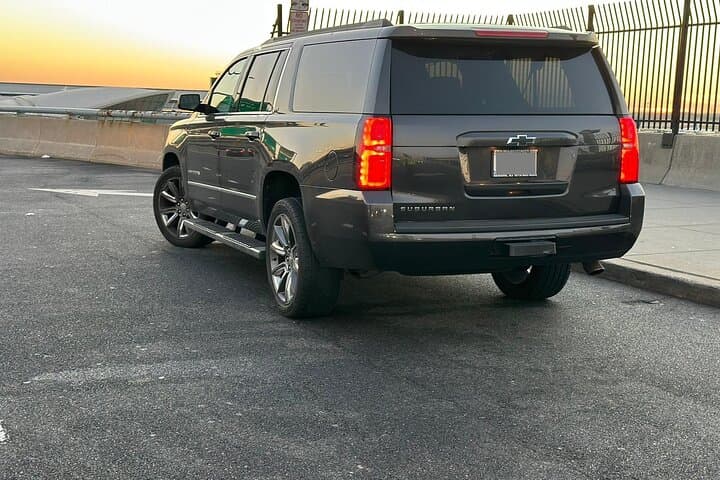
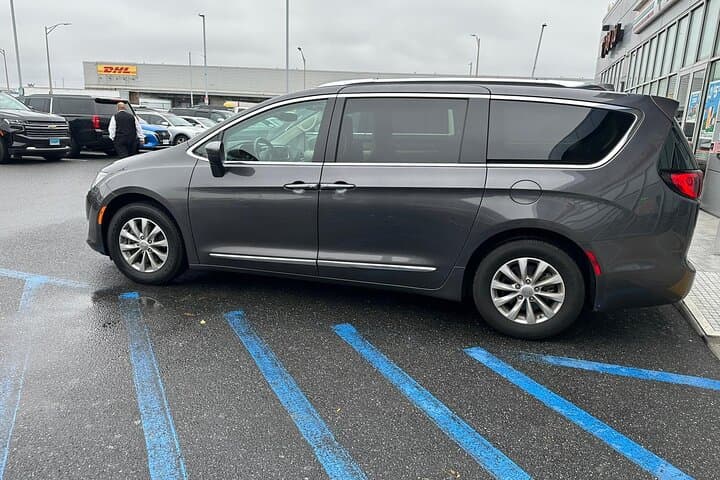
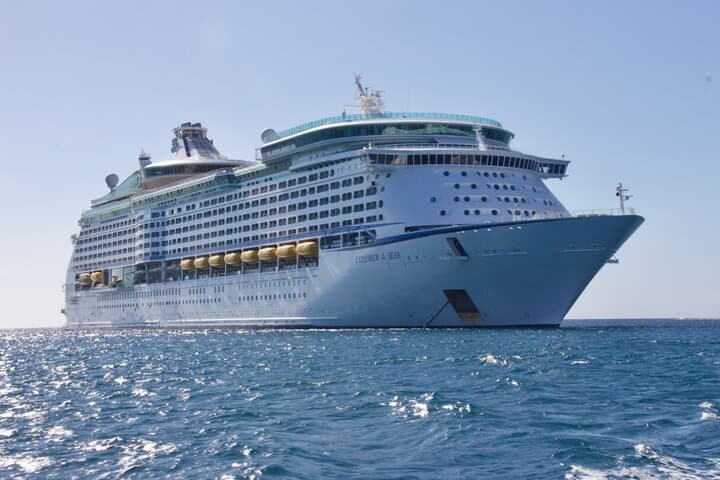
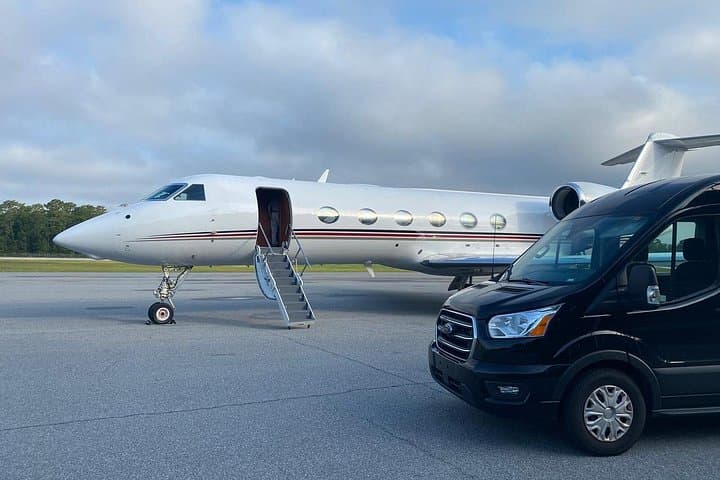
For travelers heading to the cruise terminal, a private transfer is straightforward and practical. Expect a 1.5–2 hour drive depending on traffic and weather, door-to-door service, luggage help, and a meet-and-greet with a nameplate. Vehicles are air-conditioned and licensed; child seats can be requested. Time your pickup to allow extra padding for ferry backups, bridge inspections, and cruise check-in windows. Carry your cruise documents and a small day bag with essentials in case you need items during port processing.
The transfer removes the logistics from your first and last day — so you can focus on the sea air, gulls wheeling over the mouth of the river, and the steady bridge that pushes you toward the ocean.
easy.
1.5–2 hours.
No special fitness required; suitable for travelers of all mobility levels
Typical drive time is about 1.5–2 hours, depending on traffic, weather, and any stops along US-30 or US-101.
Yes — drivers usually assist with luggage and can drop you directly at the cruise terminal entrance; they will not handle boarding formalities beyond directions.
Child seats for all ages are available upon request; you should indicate ages and number of children when booking.
Full refund if cancelled at least 24 hours before scheduled pickup; cancellations within 24 hours may not be refundable.
Astoria is Oregon’s oldest American settlement, established in 1811 as a fur-trading post; its port grew around fishing, timber, and shipping industries.
The Columbia River estuary is ecologically sensitive; stay on marked roads and parking areas, and avoid disturbing shorebird habitat during migration seasons.
taxiGo DMC operates guided outdoor trips and adventures with an emphasis on safety, stewardship, and memorable experiences.
A gray Pacific Northwest morning presses against the hotel windows as the driver steps out with your name on a neat sign. The car hums away from downtown Portland and the road opens onto the Columbia River Highway; the river itself seems to tug at the shoreline, daring you toward the coast.
A gray Pacific Northwest morning presses against the hotel windows as the driver steps out with your name on a neat sign. The car hums away from downtown Portland and the road opens onto the Columbia River Highway; the river itself seems to tug at the shoreline, daring you toward the coast.
The route follows a corridor of maritime history — Lewis and Clark's camp sites, timber towns, and the long curve of the Astoria-Megler Bridge that marks the entrance to the Columbia estuary. Geology here is visible in the layers: uplifted basalt outcrops, river-carved plains, and the sandy spits that define the coast. Astoria’s streets still carry the salt-stiffened feel of a 19th-century port; clapboard buildings and fish-processing sheds are shorthand for the town’s long relationship with shipping and seafaring.
For travelers heading to the cruise terminal, a private transfer is straightforward and practical. Expect a 1.5–2 hour drive depending on traffic and weather, door-to-door service, luggage help, and a meet-and-greet with a nameplate. Vehicles are air-conditioned and licensed; child seats can be requested. Time your pickup to allow extra padding for ferry backups, bridge inspections, and cruise check-in windows. Carry your cruise documents and a small day bag with essentials in case you need items during port processing.
The transfer removes the logistics from your first and last day — so you can focus on the sea air, gulls wheeling over the mouth of the river, and the steady bridge that pushes you toward the ocean.