THE ADVENTURE COLLECTIVE® · Independent discovery and booking for outdoor travel

Walk the Central Eastside of Portland with local makers as your guides — pottery studios, letterpress shops, and small-batch food and drink producers. This compact 2–3 mile tour mixes tasting stops with behind-the-scenes looks at the city’s modern craft culture.
Walk the Central Eastside of Portland with local makers as your guides — pottery studios, letterpress shops, and small-batch food and drink producers. This compact 2–3 mile tour mixes tasting stops with behind-the-scenes looks at the city’s modern craft culture.
On a cool Portland morning the Central Eastside hums like a workshop: loading docks open, coffee steam lifting off roasters, and the Willamette daring you to cross its bridges into a neighborhood still shaped by rails and warehouses.
Verified experiences and guided adventures in the surrounding area.
Operated by Around Portland Tours · Portland, Oregon
On a cool Portland morning the Central Eastside hums like a workshop: loading docks open, coffee steam lifting off roasters, and the Willamette daring you to cross its bridges into a neighborhood still shaped by rails and warehouses.
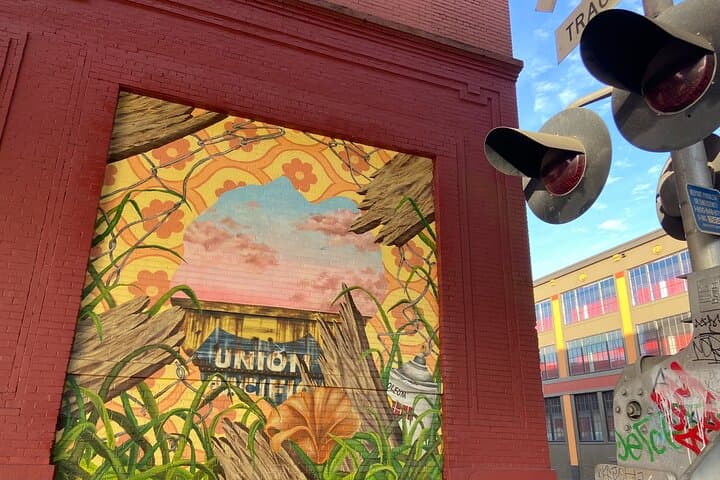
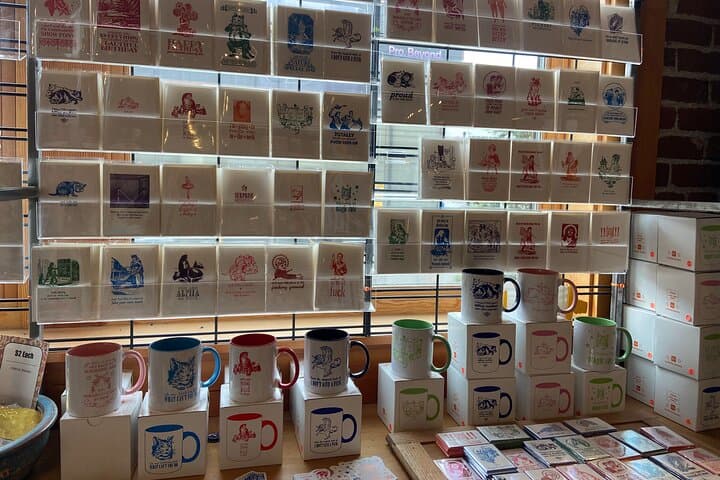
This 2–3 mile (3–5 km) walking tour threads through former industrial blocks where brick factories and timber sheds have been repurposed into pottery studios, letterpress shops, and small-batch food makers. The district’s history is industrial — rail spurs, cold storage and tile works — and that practical grit anchors a lively craft culture that exploded here in the late 20th century as makers took over affordable space.
Geology is subtle but present: the Willamette Valley’s flat floodplain and layered basalt underpinnings made for straightforward shipping and warehouse construction, enabling the industrial footprint you now walk through. Local culture is hands-on; expect conversations about glazes, small-batch fermentation and reclaimed-material design as much as about coffee and tea.
Practical guidance: the route is mostly paved city streets with short crosswalks and occasional loading-zone debris, so sturdy shoes are recommended. The tour lasts about 2 hours 15 minutes with small-group pacing and light stops for tasting; bring a refillable water bottle and a small daypack for purchases. Public transit access is good and there’s limited paid parking nearby. Ask before photographing inside studios, budget for a few handcrafted items, and plan around rain — Portland’s weather can change fast. This walk rewards curiosity and leaves you with tangible pieces of a working craft neighborhood.
easy.
2–3 hours.
Light walking fitness; able to stand and move at a relaxed pace for about two hours
The tour meets at ActivSpace, 833 SE Main St #124; the walk loops through the Central Eastside and returns to the same location.
Yes — the neighborhood is mostly flat and accessible, but contact the operator ahead of time for specific accessibility arrangements.
Bring an appetite and any dietary notes in advance; the tour includes tea samples and a snack, but larger tastings vary by stop.
Full refunds are available if you cancel at least 24 hours before the tour; the operator requires at least two bookings and may reschedule if the minimum isn’t met.
The Central Eastside grew up as Portland’s industrial spine — rail spurs, tile works and cold storage gave way to affordable maker spaces in the late 20th century.
Support local makers to reduce shipping emissions and choose refillable containers; respect studio rules on waste, photography and material sourcing.
Around Portland Tours operates guided outdoor trips and adventures with an emphasis on safety, stewardship, and memorable experiences.
On a cool Portland morning the Central Eastside hums like a workshop: loading docks open, coffee steam lifting off roasters, and the Willamette daring you to cross its bridges into a neighborhood still shaped by rails and warehouses.
On a cool Portland morning the Central Eastside hums like a workshop: loading docks open, coffee steam lifting off roasters, and the Willamette daring you to cross its bridges into a neighborhood still shaped by rails and warehouses.
This 2–3 mile (3–5 km) walking tour threads through former industrial blocks where brick factories and timber sheds have been repurposed into pottery studios, letterpress shops, and small-batch food makers. The district’s history is industrial — rail spurs, cold storage and tile works — and that practical grit anchors a lively craft culture that exploded here in the late 20th century as makers took over affordable space.
Geology is subtle but present: the Willamette Valley’s flat floodplain and layered basalt underpinnings made for straightforward shipping and warehouse construction, enabling the industrial footprint you now walk through. Local culture is hands-on; expect conversations about glazes, small-batch fermentation and reclaimed-material design as much as about coffee and tea.
Practical guidance: the route is mostly paved city streets with short crosswalks and occasional loading-zone debris, so sturdy shoes are recommended. The tour lasts about 2 hours 15 minutes with small-group pacing and light stops for tasting; bring a refillable water bottle and a small daypack for purchases. Public transit access is good and there’s limited paid parking nearby. Ask before photographing inside studios, budget for a few handcrafted items, and plan around rain — Portland’s weather can change fast. This walk rewards curiosity and leaves you with tangible pieces of a working craft neighborhood.