THE ADVENTURE COLLECTIVE® · Independent discovery and booking for outdoor travel

In two hours you can move from cobblestone Old Port to cliffside panoramas and three historic lighthouses. This compact tour pairs maritime history with up-close views of Portland Head Light, Spring Point Ledge Light, and Bug Light—ideal for visitors who want a focused coastal introduction.
In two hours you can move from cobblestone Old Port to cliffside panoramas and three historic lighthouses. This compact tour pairs maritime history with up-close views of Portland Head Light, Spring Point Ledge Light, and Bug Light—ideal for visitors who want a focused coastal introduction.
You step out of the van onto Fore Street and the Atlantic meets you three blocks later: salt on the air, gulls arguing over a crab trap, and a skyline of brick warehouses slanting toward the harbor. The tour moves with a practiced calm—drive, disembark, walk—so the coast can do the talking. Within minutes you’re at Fort Williams Park, where Portland Head Light perches on granite cliffs that look as if glaciers polished them yesterday.
Verified experiences and guided adventures in the surrounding area.
Operated by Portland Explorer Tourism · Portland, Maine
You step out of the van onto Fore Street and the Atlantic meets you three blocks later: salt on the air, gulls arguing over a crab trap, and a skyline of brick warehouses slanting toward the harbor. The tour moves with a practiced calm—drive, disembark, walk—so the coast can do the talking. Within minutes you’re at Fort Williams Park, where Portland Head Light perches on granite cliffs that look as if glaciers polished them yesterday.
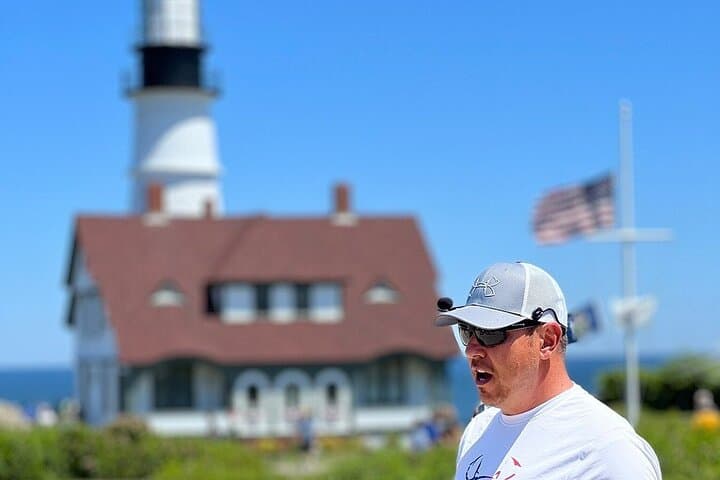
Portland’s lighthouses are less ornament than instrument: beacons born from shipwrecks and commerce. Portland Head Light, completed in 1791 under the authority of the young United States, kept watch over merchant fleets and naval convoys. Spring Point Ledge Light sits at the end of a 900-foot granite breakwater, a compact sentinel built to protect busy Casco Bay channels. Bug Light, with its small classical columns, feels almost conversational—an urban lighthouse greeting ferries and fishermen near the working piers of the Old Port.
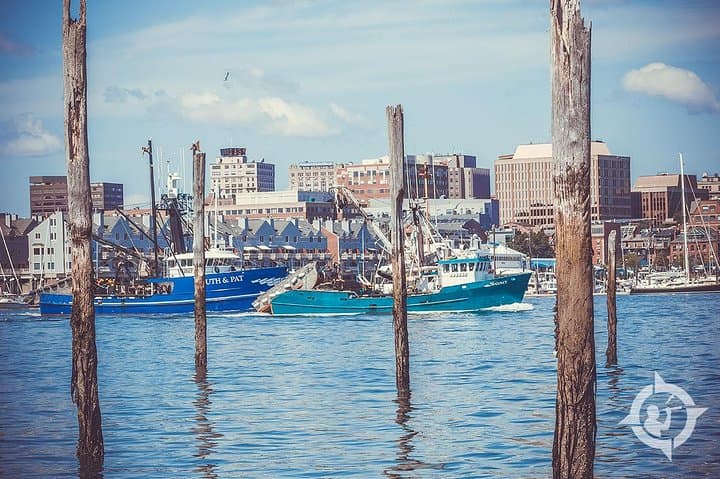
Geology here is blunt and honest: wave-scoured granite, low coastal islands, and sheltered bays where fisheries and shipyards have clustered for generations. Culturally, Portland’s waterfront is a living economy—lobster traps, fish piers, and the restaurants and microbreweries that grew from them. The tour threads that story together, pairing architectural details of each light with the human networks they’ve served.
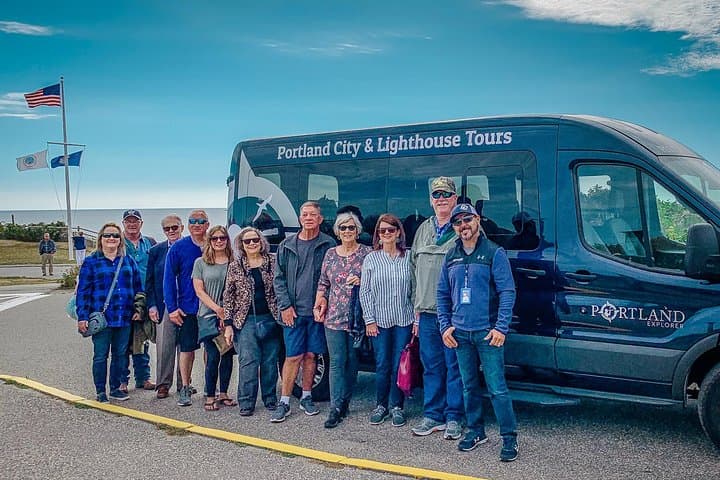
Practicals matter: the tour departs from Portland Beer Hub at 320 Fore Street—arrive 15 minutes early—and runs about two hours in a climate-controlled Ford Transit with a maximum of 13 guests. Stops include roughly 30 minutes at Fort Williams Park (enough for the cliff walk and photos), a 10-minute pause at Spring Point Ledge Light, and 20 minutes at Portland Breakwater Light (Bug Light). Walking is short but over uneven rock, paved walkways, and breakwaters—comfortable shoes and steady footing make the difference.
Facilities are limited at the smaller stops; Fort Williams has restrooms and seasonal food trucks. Guides will point out ideal photo angles and local history and can adapt to mobility needs where routes allow. Weather can flip quickly—Maine’s coast prefers layers and water-resistant outerwear—and the ocean will always remind you it’s in charge.
For travelers wanting a concentrated primer on Maine’s coastline, this two-hour tour delivers history, geology, and the working waterfront with a light, informative hand. It’s fast enough to fit between errands or a cruise stop, but deliberate enough to leave you with a clear sense of why these modest towers matter to the people and waters around them.
easy.
2 hours.
Suitable for all fitness levels; involves short, mostly flat walks and some uneven surfaces
Most stops are exterior viewing only; Portland Head Light has a museum/gift shop seasonally (May–September) but interior access is limited—your guide will explain what’s accessible at each stop.
The tour van and many vantage points are accessible, but some breakwater walks and cliff paths are uneven. Strollers are allowed; contact the operator ahead for specific accessibility accommodations.
Yes—pick-up is approximately a 10-minute walk from the cruise terminal. Indicate your arrival time when booking to coordinate logistics.
Fort Williams Park has restrooms and seasonal food trucks; smaller stops have limited facilities, so plan accordingly.
The tour may be canceled for unsafe conditions; the cancellation policy allows refunds if canceled 24 hours in advance or for weather-related cancellations.
Yes—if you enjoyed the tour, a gratuity for the guide is appreciated and not included in the tour price.
Portland Head Light was completed in 1791 and was commissioned during George Washington’s presidency to protect burgeoning American trade.
Coastal erosion and sensitive shorebird nesting make staying on designated paths important; pack out trash and respect wildlife viewing distances.
Portland Explorer Tourism operates guided outdoor trips and adventures with an emphasis on safety, stewardship, and memorable experiences.
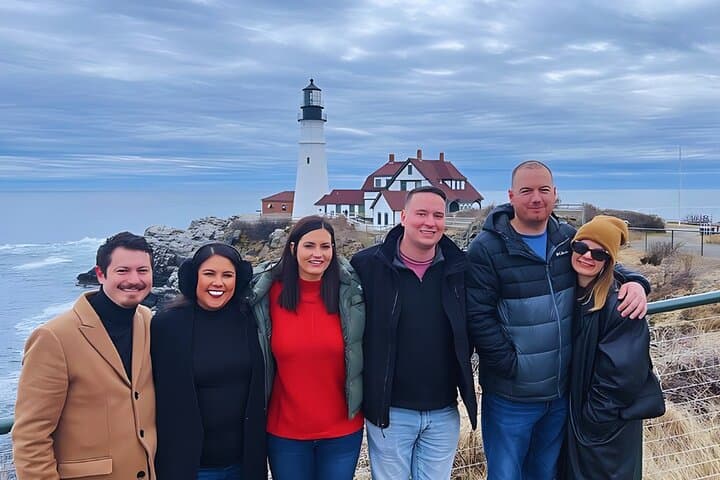
You step out of the van onto Fore Street and the Atlantic meets you three blocks later: salt on the air, gulls arguing over a crab trap, and a skyline of brick warehouses slanting toward the harbor. The tour moves with a practiced calm—drive, disembark, walk—so the coast can do the talking. Within minutes you’re at Fort Williams Park, where Portland Head Light perches on granite cliffs that look as if glaciers polished them yesterday.
You step out of the van onto Fore Street and the Atlantic meets you three blocks later: salt on the air, gulls arguing over a crab trap, and a skyline of brick warehouses slanting toward the harbor. The tour moves with a practiced calm—drive, disembark, walk—so the coast can do the talking. Within minutes you’re at Fort Williams Park, where Portland Head Light perches on granite cliffs that look as if glaciers polished them yesterday.
Portland’s lighthouses are less ornament than instrument: beacons born from shipwrecks and commerce. Portland Head Light, completed in 1791 under the authority of the young United States, kept watch over merchant fleets and naval convoys. Spring Point Ledge Light sits at the end of a 900-foot granite breakwater, a compact sentinel built to protect busy Casco Bay channels. Bug Light, with its small classical columns, feels almost conversational—an urban lighthouse greeting ferries and fishermen near the working piers of the Old Port.
Geology here is blunt and honest: wave-scoured granite, low coastal islands, and sheltered bays where fisheries and shipyards have clustered for generations. Culturally, Portland’s waterfront is a living economy—lobster traps, fish piers, and the restaurants and microbreweries that grew from them. The tour threads that story together, pairing architectural details of each light with the human networks they’ve served.
Practicals matter: the tour departs from Portland Beer Hub at 320 Fore Street—arrive 15 minutes early—and runs about two hours in a climate-controlled Ford Transit with a maximum of 13 guests. Stops include roughly 30 minutes at Fort Williams Park (enough for the cliff walk and photos), a 10-minute pause at Spring Point Ledge Light, and 20 minutes at Portland Breakwater Light (Bug Light). Walking is short but over uneven rock, paved walkways, and breakwaters—comfortable shoes and steady footing make the difference.
Facilities are limited at the smaller stops; Fort Williams has restrooms and seasonal food trucks. Guides will point out ideal photo angles and local history and can adapt to mobility needs where routes allow. Weather can flip quickly—Maine’s coast prefers layers and water-resistant outerwear—and the ocean will always remind you it’s in charge.
For travelers wanting a concentrated primer on Maine’s coastline, this two-hour tour delivers history, geology, and the working waterfront with a light, informative hand. It’s fast enough to fit between errands or a cruise stop, but deliberate enough to leave you with a clear sense of why these modest towers matter to the people and waters around them.