THE ADVENTURE COLLECTIVE® · Independent discovery and booking for outdoor travel

Taste your way through Portland in a focused 1.5-mile walk that pairs third-wave coffee, inventive donuts and single-origin chocolate. This guided morning tour mixes neighborhood history with curated tastings and practical tips for first-time visitors.
Taste your way through Portland in a focused 1.5-mile walk that pairs third-wave coffee, inventive donuts and single-origin chocolate. This guided morning tour mixes neighborhood history with curated tastings and practical tips for first-time visitors.
You step out of a compact downtown coffee shop and the city exhales—steam rising from a street vent, bicycle bells, and the sharp scent of fresh espresso. Over the next 1.5 miles your guide threads you between Director Park, Pioneer Courthouse Square and the Pearl District, pausing at small roasteries, an artisanal donut counter and a chocolate maker’s tasting bar. The rhythm is urban and sensory: bitter, sweet, flaky.
Verified experiences and guided adventures in the surrounding area.
Operated by Eat Adventures · Portland, Oregon
You step out of a compact downtown coffee shop and the city exhales—steam rising from a street vent, bicycle bells, and the sharp scent of fresh espresso. Over the next 1.5 miles your guide threads you between Director Park, Pioneer Courthouse Square and the Pearl District, pausing at small roasteries, an artisanal donut counter and a chocolate maker’s tasting bar. The rhythm is urban and sensory: bitter, sweet, flaky.
Portland’s food-scene roots trace to the city’s Pacific Northwest craft boom. The third-wave coffee movement took hold here, emphasizing single-origin beans and micro-roasting; donuts evolved from late-night convenience to experimental pastry art; modern chocolatiers source cacao varietals and emphasize flavor profiles over simple sweetness. Geologically, the Willamette Valley’s marine and volcanic soils underpin regional agriculture that supplies many local producers.
Culturally this is a neighborhood walk as much as a tasting—public plazas, preserved early-20th-century storefronts and revitalized warehouse blocks form the backdrop. Guides often point out how urban planning and Portland’s transit-first approach made these pockets accessible on foot.
Practical guide: expect light walking on mostly flat city sidewalks (about 1.5–2 miles total), several short stops with seated or standing tastings, and substitutions for common dietary needs if you notify the operator in advance. Bring a daypack for water, comfortable shoes for pavement, and a jacket—coastal weather can change quickly. Plan this early in your visit to orient yourself to downtown and leave room to explore the Pearl District afterward.
easy.
2–3 hours.
Suitable for most fitness levels; must be able to walk 1.5–2 miles on flat urban terrain
Yes—vegetarian, vegan, gluten-free and common allergies can be accommodated if noted at booking; notify the operator in advance.
The meeting point is inside Never Coffee on SW 12th Ave in downtown Portland; the tour finishes in the Pearl District near Powell's City of Books.
The route is on paved sidewalks with some curb cuts; contact the operator to confirm accessibility and any accommodations needed.
Tipping is customary for guided food tours—10–20% depending on service and whether you feel the guide enhanced the experience.
Portland was an early adopter of the third-wave coffee movement; local roasters and cafes helped elevate single-origin beans and craft brewing into the city’s culinary identity.
Support small local vendors and avoid food waste by tasting mindfully; many Portland producers prioritize composting, responsible sourcing and recyclable packaging.
Eat Adventures operates guided outdoor trips and adventures with an emphasis on safety, stewardship, and memorable experiences.
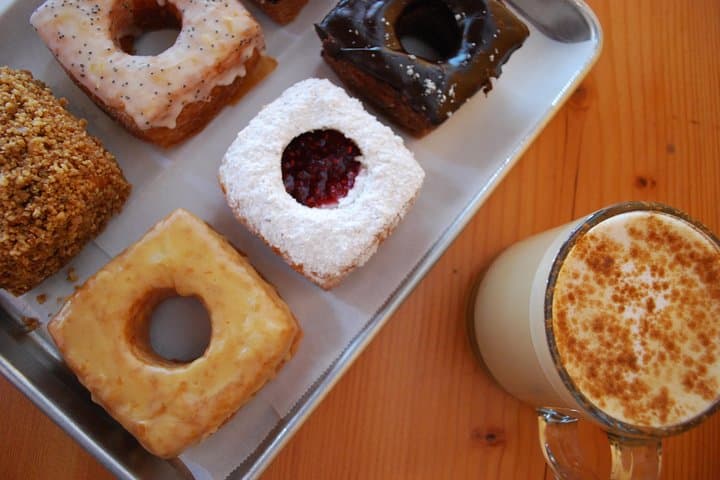
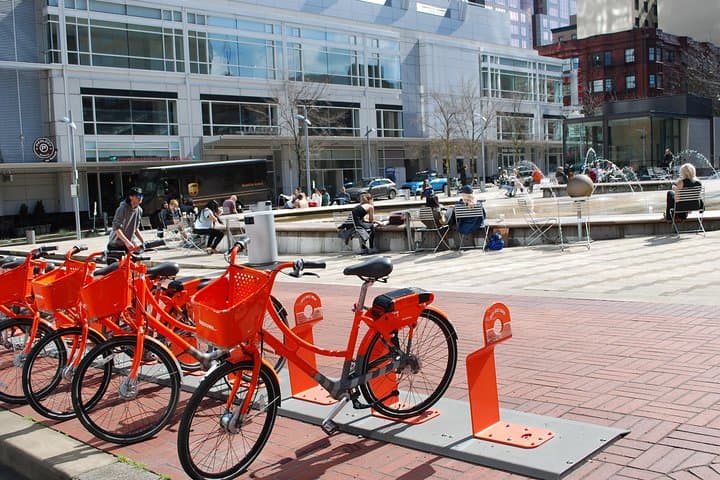
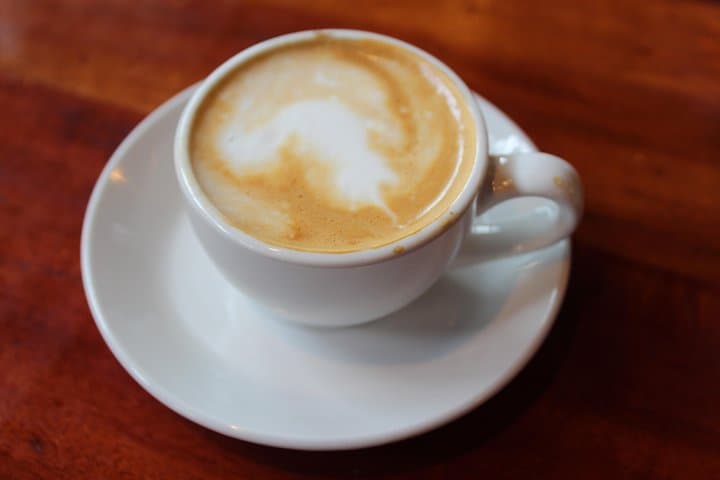
You step out of a compact downtown coffee shop and the city exhales—steam rising from a street vent, bicycle bells, and the sharp scent of fresh espresso. Over the next 1.5 miles your guide threads you between Director Park, Pioneer Courthouse Square and the Pearl District, pausing at small roasteries, an artisanal donut counter and a chocolate maker’s tasting bar. The rhythm is urban and sensory: bitter, sweet, flaky.
You step out of a compact downtown coffee shop and the city exhales—steam rising from a street vent, bicycle bells, and the sharp scent of fresh espresso. Over the next 1.5 miles your guide threads you between Director Park, Pioneer Courthouse Square and the Pearl District, pausing at small roasteries, an artisanal donut counter and a chocolate maker’s tasting bar. The rhythm is urban and sensory: bitter, sweet, flaky.
Portland’s food-scene roots trace to the city’s Pacific Northwest craft boom. The third-wave coffee movement took hold here, emphasizing single-origin beans and micro-roasting; donuts evolved from late-night convenience to experimental pastry art; modern chocolatiers source cacao varietals and emphasize flavor profiles over simple sweetness. Geologically, the Willamette Valley’s marine and volcanic soils underpin regional agriculture that supplies many local producers.
Culturally this is a neighborhood walk as much as a tasting—public plazas, preserved early-20th-century storefronts and revitalized warehouse blocks form the backdrop. Guides often point out how urban planning and Portland’s transit-first approach made these pockets accessible on foot.
Practical guide: expect light walking on mostly flat city sidewalks (about 1.5–2 miles total), several short stops with seated or standing tastings, and substitutions for common dietary needs if you notify the operator in advance. Bring a daypack for water, comfortable shoes for pavement, and a jacket—coastal weather can change quickly. Plan this early in your visit to orient yourself to downtown and leave room to explore the Pearl District afterward.