THE ADVENTURE COLLECTIVE® · Independent discovery and booking for outdoor travel

Glide beneath Portland’s bridges and hear the city’s story told from the water. This private two-hour Willamette River cruise blends engineering history, wildlife sightings, and waterfront culture—perfect for travelers who want an easy, photo-ready introduction to Portland.
Glide beneath Portland’s bridges and hear the city’s story told from the water. This private two-hour Willamette River cruise blends engineering history, wildlife sightings, and waterfront culture—perfect for travelers who want an easy, photo-ready introduction to Portland.
The boat slips quietly away from the Willamette Park dock and the city exhales: bridges, cranes, and rooflines ripple across the surface. From this low, watery vantage the skyline rearranges itself—steel ribs arching, trusses lifting, suspension cables taut against a Pacific Northwest sky. The captain trims throttle and the guide begins a steady stream of stories: the bridges’ engineering quirks, a ferry landing that once ferried industry, and a river that keeps pushing the city forward.
Verified experiences and guided adventures in the surrounding area.
Operated by Portland River Tours · Portland, Oregon
The boat slips quietly away from the Willamette Park dock and the city exhales: bridges, cranes, and rooflines ripple across the surface. From this low, watery vantage the skyline rearranges itself—steel ribs arching, trusses lifting, suspension cables taut against a Pacific Northwest sky. The captain trims throttle and the guide begins a steady stream of stories: the bridges’ engineering quirks, a ferry landing that once ferried industry, and a river that keeps pushing the city forward.
This two-hour private cruise follows the Willamette River through the heart of Portland, passing a dozen bridges that chart the city’s growth from 19th-century river town to modern metropolis. The Steel Bridge’s double decks and independent lifts tell an industrial past; the Hawthorne Bridge—America’s oldest vertical-lift bridge—groans with daily commuters; Tilikum Crossing, the Bridge of the People, points to Portland’s transit-forward future. Geology makes cameo appearances too: Elk Rock’s volcanic bones and the raw power of Willamette Falls remind riders the river carved and recarved these banks long before streets and streetcars.
Culture and local lore ride along the wake. Views of the White Stag sign, Old Town’s Shanghai Tunnel rumors, and the reborn South Waterfront offer slices of Portland’s eclectic personality—part pioneer grit, part modern experiment in urban planning. Wildlife edges into view without fanfare: bald eagles launching from cottonwoods, river otters sliding through eddies, cormorants drying wings on pilings. From the guide’s narration to the captain’s practiced turns, the tour blends natural observation, civil engineering, and local history into a compact, accessible outing.
Practical details matter: this is a private tour limited to six passengers under a U.S. Coast Guard–licensed captain and an Oregon-registered guide. Life jackets are provided, and the boat is wheelchair-accessible, but space is tight—pack light. Best time for clear photos is late afternoon when the low sun sculpts the bridges; early evening cruises intensify city lights and reflections.
For travelers, the boat tour is an easy, low-effort way to see a cross-section of Portland’s story while keeping feet dry. Bring layers—the river can be several degrees cooler than shore—and a small pair of binoculars for birds and architectural details. If you want a longer look at Willamette Falls or to step ashore at Cathedral Park, plan extra time before or after the cruise. On the water, the river has a voice of its own: it nudges the hull, beckons you upriver, and shows Portland from the side that built it.
easy.
2 hours.
Minimal fitness required; suitable for all ages who can board a small boat
Meet at the public boat docks inside Willamette Park; walk down the ramp to the dock—the boat will arrive by water at the scheduled start time.
Tours are private with a maximum of six passengers, in line with state safety regulations.
Yes—life jackets are supplied for all passengers and must be worn if instructed by crew.
Yes—the tour notes wheelchair accessibility; notify the operator in advance so they can assist with boarding.
The tour is suitable for all fitness levels and requires no technical skills.
Tours run in light rain; cancellations for severe weather follow the operator’s policy—cancel 24+ hours in advance for a full refund.
Portland grew as an inland, ocean-navigable river port over the last 200 years; river commerce and early ironworks shaped neighborhood development along the Willamette.
Local groups like the Human Access Project focus on reconnecting residents to the river; guided tours encourage leaving no trace and support education about river health.
Portland River Tours operates guided outdoor trips and adventures with an emphasis on safety, stewardship, and memorable experiences.
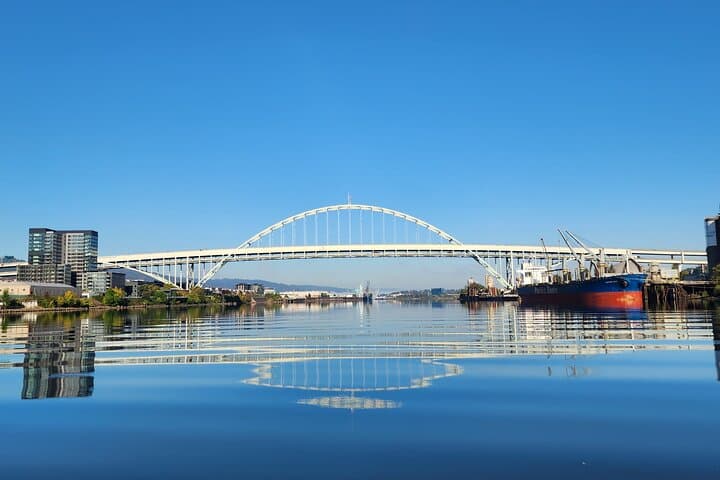
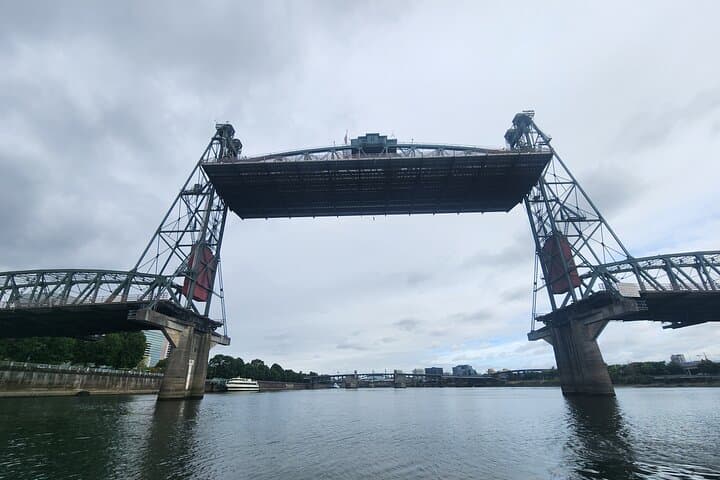
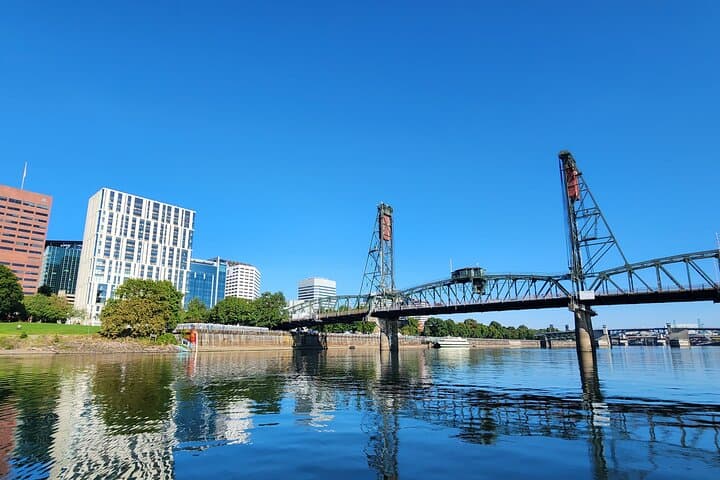
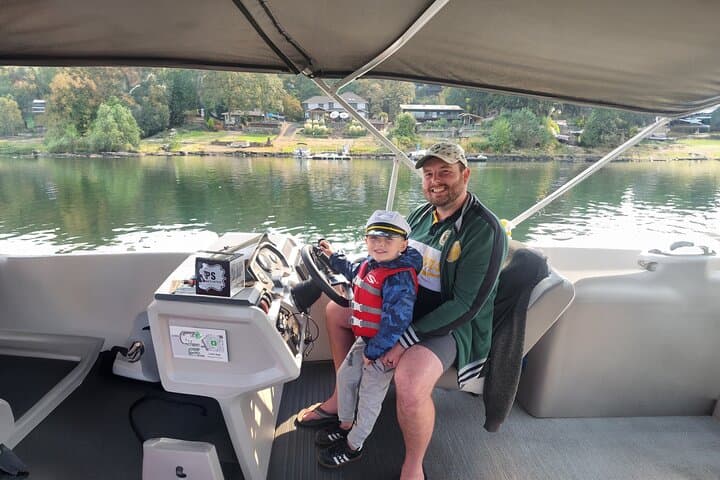
The boat slips quietly away from the Willamette Park dock and the city exhales: bridges, cranes, and rooflines ripple across the surface. From this low, watery vantage the skyline rearranges itself—steel ribs arching, trusses lifting, suspension cables taut against a Pacific Northwest sky. The captain trims throttle and the guide begins a steady stream of stories: the bridges’ engineering quirks, a ferry landing that once ferried industry, and a river that keeps pushing the city forward.
The boat slips quietly away from the Willamette Park dock and the city exhales: bridges, cranes, and rooflines ripple across the surface. From this low, watery vantage the skyline rearranges itself—steel ribs arching, trusses lifting, suspension cables taut against a Pacific Northwest sky. The captain trims throttle and the guide begins a steady stream of stories: the bridges’ engineering quirks, a ferry landing that once ferried industry, and a river that keeps pushing the city forward.
This two-hour private cruise follows the Willamette River through the heart of Portland, passing a dozen bridges that chart the city’s growth from 19th-century river town to modern metropolis. The Steel Bridge’s double decks and independent lifts tell an industrial past; the Hawthorne Bridge—America’s oldest vertical-lift bridge—groans with daily commuters; Tilikum Crossing, the Bridge of the People, points to Portland’s transit-forward future. Geology makes cameo appearances too: Elk Rock’s volcanic bones and the raw power of Willamette Falls remind riders the river carved and recarved these banks long before streets and streetcars.
Culture and local lore ride along the wake. Views of the White Stag sign, Old Town’s Shanghai Tunnel rumors, and the reborn South Waterfront offer slices of Portland’s eclectic personality—part pioneer grit, part modern experiment in urban planning. Wildlife edges into view without fanfare: bald eagles launching from cottonwoods, river otters sliding through eddies, cormorants drying wings on pilings. From the guide’s narration to the captain’s practiced turns, the tour blends natural observation, civil engineering, and local history into a compact, accessible outing.
Practical details matter: this is a private tour limited to six passengers under a U.S. Coast Guard–licensed captain and an Oregon-registered guide. Life jackets are provided, and the boat is wheelchair-accessible, but space is tight—pack light. Best time for clear photos is late afternoon when the low sun sculpts the bridges; early evening cruises intensify city lights and reflections.
For travelers, the boat tour is an easy, low-effort way to see a cross-section of Portland’s story while keeping feet dry. Bring layers—the river can be several degrees cooler than shore—and a small pair of binoculars for birds and architectural details. If you want a longer look at Willamette Falls or to step ashore at Cathedral Park, plan extra time before or after the cruise. On the water, the river has a voice of its own: it nudges the hull, beckons you upriver, and shows Portland from the side that built it.