THE ADVENTURE COLLECTIVE® · Independent discovery and booking for outdoor travel

Cut loose from Portimão on a 90-minute speedboat that threads the Algarve’s carved cliffs and slips into the famed Benagil cave. Fast-paced, scenic, and led by experienced skippers, this trip delivers close-up geology, coastal culture, and plenty of photo-ready moments.
Cut loose from Portimão on a 90-minute speedboat that threads the Algarve’s carved cliffs and slips into the famed Benagil cave. Fast-paced, scenic, and led by experienced skippers, this trip delivers close-up geology, coastal culture, and plenty of photo-ready moments.
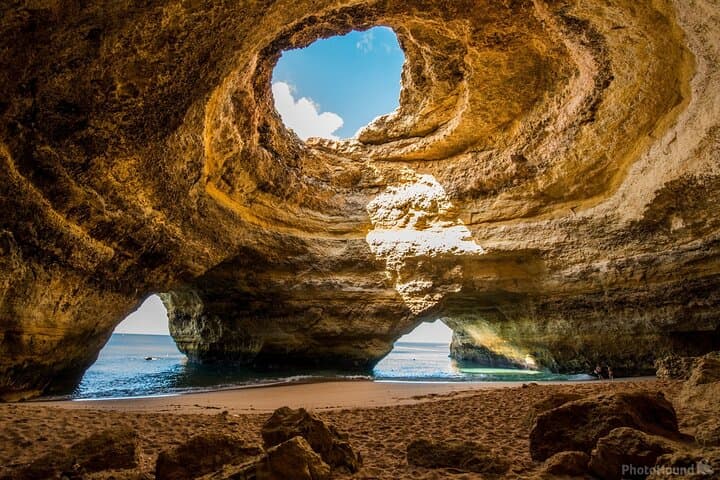
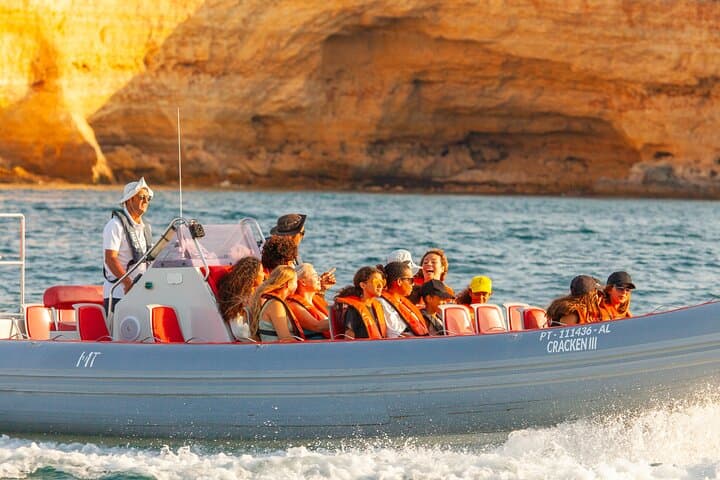
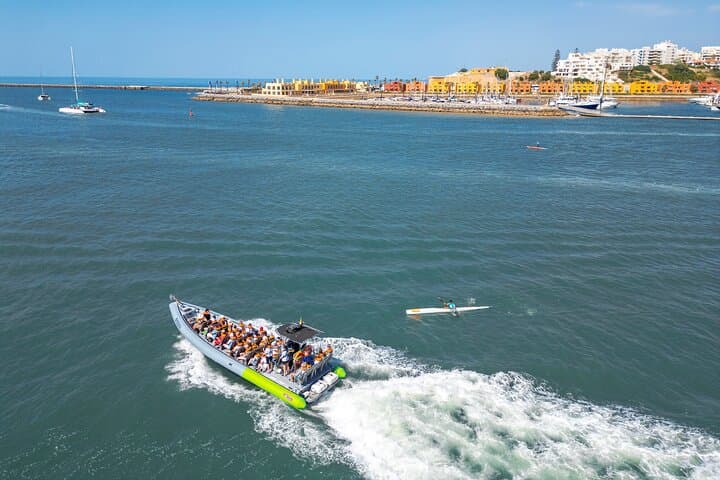
The roar of the engine kicks free a fine salt spray as the speedboat peels away from the Portimão quay. You feel the hull rise and fall with each short swell, the Algarve coast unspooling in a line of ochre cliffs and sculpted arches. In fifteen minutes the marina is a postcard behind you; ahead, a sequence of caverns and sea-worn alcoves—culminating in the pink-lit mouth of Benagil—wait to be threaded by a boat small and quick enough to enter where larger vessels must circle.
Verified experiences and guided adventures in the surrounding area.
Operated by Mare Nostrum · Portimão, Faro
The roar of the engine kicks free a fine salt spray as the speedboat peels away from the Portimão quay. You feel the hull rise and fall with each short swell, the Algarve coast unspooling in a line of ochre cliffs and sculpted arches. In fifteen minutes the marina is a postcard behind you; ahead, a sequence of caverns and sea-worn alcoves—culminating in the pink-lit mouth of Benagil—wait to be threaded by a boat small and quick enough to enter where larger vessels must circle.
This 90-minute adrenaline run is less a leisurely cruise and more a coastal reconnaissance: skippers accelerate between points of interest, easing only long enough to peer into a cavern or skirt a hidden groyne. The geology here reads like a slow-motion demolition—limestone and calcarenite softened by waves and wind, then punched through by hydraulic action that carved roofs, windows and, over millennia, the famed Algar de Benagil. Locals still fish these waters; Benagil was a modest fishing village until photography sent tourists pouring into its tiny beach and cathedral cave.
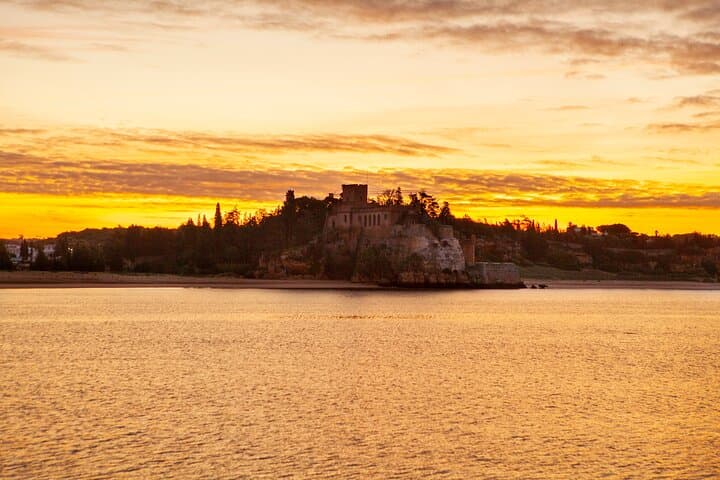
Culturally, the Algarve is blunt and honest: tile-roofed houses, bright-painted fishing boats, and a cuisine defined by the sea—grilled sardines, arroz de marisco. Portimão itself keeps a memory of the canning industry in its waterfront warehouses and museums, reminders that these coves have fed communities for generations.
Practicalities are straightforward. Meeting point: the Commercial Port of Portimão beside the Ruins of the San Francisco Convent; arrive 15–20 minutes early for check-in and the safety briefing. The tour lasts about 90 minutes and covers roughly 15–20 km of coastline, depending on sea conditions and stops. Lifejackets and seating are provided; the operator uses automatic lifejackets (don’t tamper with them—there’s a €70 replacement fee). Skippers decide whether caves are safe to enter—if the sea is rough, expect reroutes.
Pack light, waterproof your camera gear, and consider motion-sickness meds if you’re sensitive; speedboats amplify chop. Morning trips often offer calmer seas and softer light inside caves, while late afternoon light can gild cliff faces but may bring a busier horizon. Dress in layers: wind cuts across the deck and spray cools fast.
The experience is kinetic and visual—occasional bursts of speed, the hush when the boat slips into a shadowed cavern, and the abrupt openness of Benagil’s sunlit chamber. It’s a compact, high-energy way to read the Algarve coastline and stand—briefly—inside one of Europe’s most photographed caves.
easy.
90 minutes.
Suitable for most fitness levels; requires getting on and off a low gangway and steady balance on a moving boat.
The experience lasts approximately 90 minutes from the Portimão meeting point and covers multiple coastal highlights including Benagil.
Skippers attempt to approach caves when sea and weather conditions are safe; local maritime authorities and the skipper make the final call for safety reasons.
Yes—infants must sit on an adult’s lap; the operator notes the trip is suitable for all fitness levels but not recommended for those with serious back, heart, or pregnancy-related concerns.
If sea state prevents safe cave entry the operator will cancel or alter the route; full refunds are available if canceled at least 24 hours before departure per the cancellation policy.
Yes—automatic lifejackets are provided for all guests; tampering or improper inflation incurs a €70 fee per jacket.
Yes—free car parking is available next to the meeting point at the Commercial Port of Portimão.
The Algarve coastline bears geological records of rising sea levels and human use—Portimão’s waterfront preserves remnants of its early 20th-century canning industry that once fueled the local economy.
High visitor numbers strain small caves and beaches; operators are regulated to minimize entry when conditions risk damage and to avoid landing on protected shorelines.
Mare Nostrum operates guided outdoor trips and adventures with an emphasis on safety, stewardship, and memorable experiences.
The roar of the engine kicks free a fine salt spray as the speedboat peels away from the Portimão quay. You feel the hull rise and fall with each short swell, the Algarve coast unspooling in a line of ochre cliffs and sculpted arches. In fifteen minutes the marina is a postcard behind you; ahead, a sequence of caverns and sea-worn alcoves—culminating in the pink-lit mouth of Benagil—wait to be threaded by a boat small and quick enough to enter where larger vessels must circle.
The roar of the engine kicks free a fine salt spray as the speedboat peels away from the Portimão quay. You feel the hull rise and fall with each short swell, the Algarve coast unspooling in a line of ochre cliffs and sculpted arches. In fifteen minutes the marina is a postcard behind you; ahead, a sequence of caverns and sea-worn alcoves—culminating in the pink-lit mouth of Benagil—wait to be threaded by a boat small and quick enough to enter where larger vessels must circle.
This 90-minute adrenaline run is less a leisurely cruise and more a coastal reconnaissance: skippers accelerate between points of interest, easing only long enough to peer into a cavern or skirt a hidden groyne. The geology here reads like a slow-motion demolition—limestone and calcarenite softened by waves and wind, then punched through by hydraulic action that carved roofs, windows and, over millennia, the famed Algar de Benagil. Locals still fish these waters; Benagil was a modest fishing village until photography sent tourists pouring into its tiny beach and cathedral cave.
Culturally, the Algarve is blunt and honest: tile-roofed houses, bright-painted fishing boats, and a cuisine defined by the sea—grilled sardines, arroz de marisco. Portimão itself keeps a memory of the canning industry in its waterfront warehouses and museums, reminders that these coves have fed communities for generations.
Practicalities are straightforward. Meeting point: the Commercial Port of Portimão beside the Ruins of the San Francisco Convent; arrive 15–20 minutes early for check-in and the safety briefing. The tour lasts about 90 minutes and covers roughly 15–20 km of coastline, depending on sea conditions and stops. Lifejackets and seating are provided; the operator uses automatic lifejackets (don’t tamper with them—there’s a €70 replacement fee). Skippers decide whether caves are safe to enter—if the sea is rough, expect reroutes.
Pack light, waterproof your camera gear, and consider motion-sickness meds if you’re sensitive; speedboats amplify chop. Morning trips often offer calmer seas and softer light inside caves, while late afternoon light can gild cliff faces but may bring a busier horizon. Dress in layers: wind cuts across the deck and spray cools fast.
The experience is kinetic and visual—occasional bursts of speed, the hush when the boat slips into a shadowed cavern, and the abrupt openness of Benagil’s sunlit chamber. It’s a compact, high-energy way to read the Algarve coastline and stand—briefly—inside one of Europe’s most photographed caves.