THE ADVENTURE COLLECTIVE® · Independent discovery and booking for outdoor travel

Slide down some of the Southern Hemisphere’s largest moving dunes in Port Stephens. This two-hour sandboarding and sand surfing adventure pairs 4WD access with beginner-friendly instruction and runs for all confidence levels.
Slide down some of the Southern Hemisphere’s largest moving dunes in Port Stephens. This two-hour sandboarding and sand surfing adventure pairs 4WD access with beginner-friendly instruction and runs for all confidence levels.
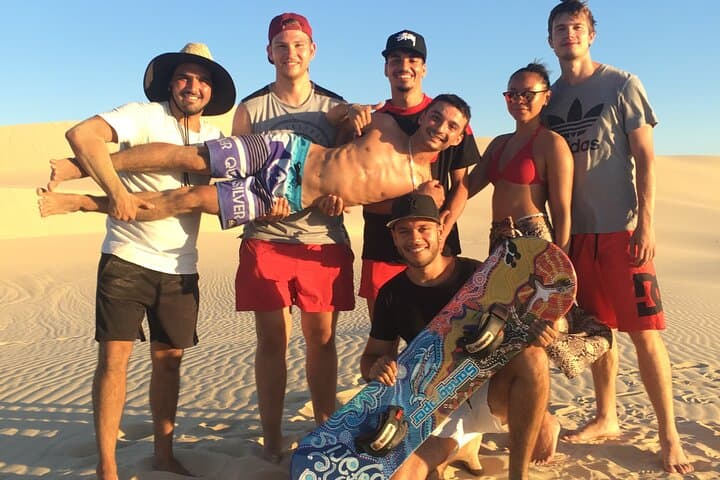
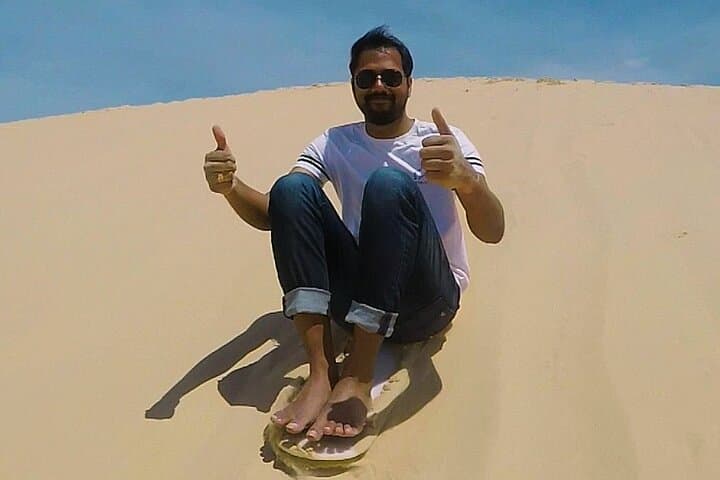
Standing at the lip of a dune in Port Stephens, wind chisels the slope and the sand seems to breathe — inviting and resistant all at once. Vehicles crawl away, and suddenly the desert-like curve opens: a bowl of pale sand with runs for beginners and a steep “monster hill” for anyone chasing speed.
Verified experiences and guided adventures in the surrounding area.
Operated by Sand Dune Safaris · Nelson Bay, New South Wales
Standing at the lip of a dune in Port Stephens, wind chisels the slope and the sand seems to breathe — inviting and resistant all at once. Vehicles crawl away, and suddenly the desert-like curve opens: a bowl of pale sand with runs for beginners and a steep “monster hill” for anyone chasing speed.
Those dunes are part of the coastal sand systems that fringe Port Stephens and the Worimi lands. Geologically they’re active — wind-driven ridges that migrate over years — and culturally they sit on Country of the Worimi people, whose connection to this landscape predates modern recreation. The setting feels coastal and inland at once: salt-laced wind on the face, scrubby vegetation clinging to dune edges, and the sound of waves somewhere beyond the horizon.
The experience is practical and playful. Instructors demonstrate sit-down and strapped stand-up boards; you pick your hill based on confidence, and the sand itself gives and grabs, so falls are soft but sudden. Sessions typically last 1–2 hours, and companies provide shade, seating and 4WD transfers into the dunes. Expect hands-on coaching, repeated runs, and plenty of time to experiment with posture and speed.
For planning: bring plenty of water, sun protection, closed-toe shoes, and a sense of curiosity. Avoid wearing jewelry that can heat in the sun, and remember the dunes are a moving landscape — follow instructor directions, respect marked cultural sites, and leave no trace. Whether you’re aiming for long, controlled glides or gravity-fueled launches, the Port Stephens dunes deliver an accessible rush with low technical demand and high visual payoff.
easy.
1–2 hours.
Suitable for most fitness levels; you should be able to walk on sand and climb short slopes repeatedly
No — operators provide instruction for sit-down and stand-up styles and cater to beginners through confident riders.
4WD transfers vary by pick-up location but typically add a short scenic ride; the advertised activity time is about 1–2 hours on site.
Many operators allow children and offer sit-down boards; age and weight limits vary, so check with the provider before booking.
Wear lightweight, closed-toe shoes, sun protection, and bring water; avoid loose jewelry and heavy electronics that can be damaged by sand.
These dunes sit within the traditional lands of the Worimi people; the sands and nearby coastline have long been used for cultural practices and seasonal movement.
The area is managed with conservation rules and entry fees that support habitat protection — stick to designated access routes, avoid disturbing vegetation, and pack out all rubbish.
Sand Dune Safaris operates guided outdoor trips and adventures with an emphasis on safety, stewardship, and memorable experiences.


Standing at the lip of a dune in Port Stephens, wind chisels the slope and the sand seems to breathe — inviting and resistant all at once. Vehicles crawl away, and suddenly the desert-like curve opens: a bowl of pale sand with runs for beginners and a steep “monster hill” for anyone chasing speed.
Standing at the lip of a dune in Port Stephens, wind chisels the slope and the sand seems to breathe — inviting and resistant all at once. Vehicles crawl away, and suddenly the desert-like curve opens: a bowl of pale sand with runs for beginners and a steep “monster hill” for anyone chasing speed.
Those dunes are part of the coastal sand systems that fringe Port Stephens and the Worimi lands. Geologically they’re active — wind-driven ridges that migrate over years — and culturally they sit on Country of the Worimi people, whose connection to this landscape predates modern recreation. The setting feels coastal and inland at once: salt-laced wind on the face, scrubby vegetation clinging to dune edges, and the sound of waves somewhere beyond the horizon.
The experience is practical and playful. Instructors demonstrate sit-down and strapped stand-up boards; you pick your hill based on confidence, and the sand itself gives and grabs, so falls are soft but sudden. Sessions typically last 1–2 hours, and companies provide shade, seating and 4WD transfers into the dunes. Expect hands-on coaching, repeated runs, and plenty of time to experiment with posture and speed.
For planning: bring plenty of water, sun protection, closed-toe shoes, and a sense of curiosity. Avoid wearing jewelry that can heat in the sun, and remember the dunes are a moving landscape — follow instructor directions, respect marked cultural sites, and leave no trace. Whether you’re aiming for long, controlled glides or gravity-fueled launches, the Port Stephens dunes deliver an accessible rush with low technical demand and high visual payoff.