THE ADVENTURE COLLECTIVE® · Independent discovery and booking for outdoor travel

Drive Birubi Beach in a red 4WD, hunt for pipis on a broad tidal shelf, then climb towering dunes for unlimited sandboarding on the largest moving coastal sand mass in the Southern Hemisphere. This one-hour loop is compact, scenic, and ideal for first-time boarders.
Drive Birubi Beach in a red 4WD, hunt for pipis on a broad tidal shelf, then climb towering dunes for unlimited sandboarding on the largest moving coastal sand mass in the Southern Hemisphere. This one-hour loop is compact, scenic, and ideal for first-time boarders.
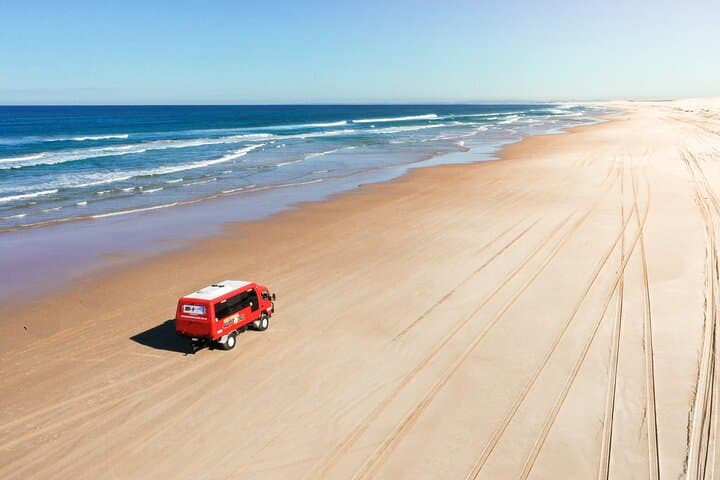
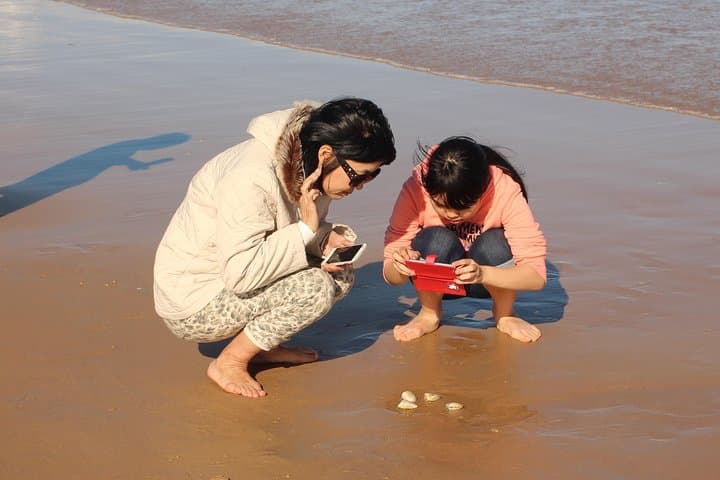
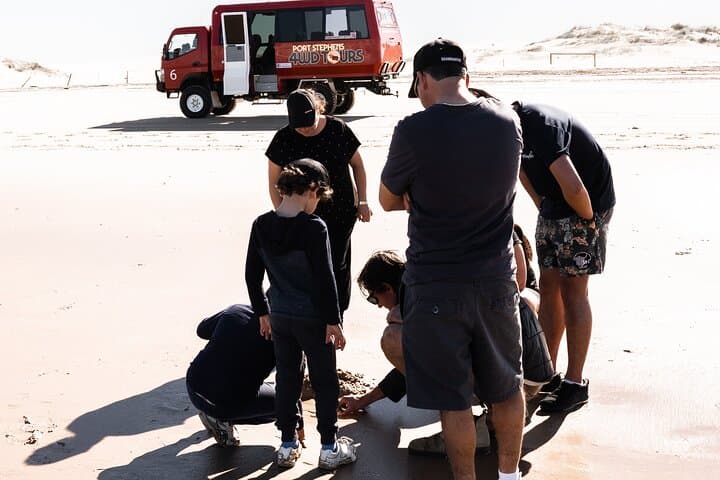
The engine rumbles and the coastline opens: a long shoulder of pale sand that runs toward the horizon, the Pacific chiseling a steady white line at its edge. You step out of the red 4WD onto Birubi Beach and the world changes texture — the sand is cold and firm by the water, then soft and thirsty farther up, inviting bare feet and tentative footprints. Guides point out the tiny, pearly pipis half-buried in the wet sand, and their stories begin to land like shells in your palm — about the people who read the dunes and the forces that keep them moving.
Verified experiences and guided adventures in the surrounding area.
Operated by Port Stephens 4WD Tours · Anna Bay, New South Wales
The engine rumbles and the coastline opens: a long shoulder of pale sand that runs toward the horizon, the Pacific chiseling a steady white line at its edge. You step out of the red 4WD onto Birubi Beach and the world changes texture — the sand is cold and firm by the water, then soft and thirsty farther up, inviting bare feet and tentative footprints. Guides point out the tiny, pearly pipis half-buried in the wet sand, and their stories begin to land like shells in your palm — about the people who read the dunes and the forces that keep them moving.
This is Worimi country, and the dunes you’ll climb are part of the largest moving coastal sand mass in the Southern Hemisphere. The landscape here is young in geological terms: wind, waves and tides have been piling and remodeling these dunes for thousands of years, creating a living, shifting ridge that can rise 30–40 meters above the beach in places. European settlers used the area for fishing and early industry, but the Worimi people hold the deeper cultural memory, and local guides often weave that perspective into their commentary along the shore.
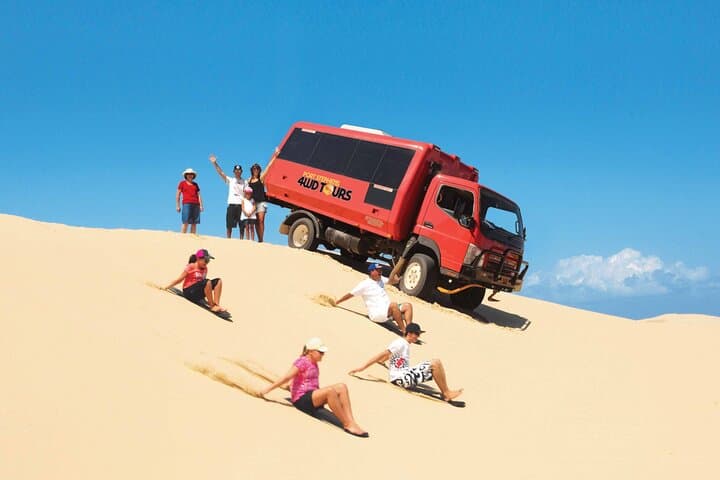
The trip itself is compact and kinetic. Expect a one-hour loop: a drive down Birubi Beach in a comfortable, air-conditioned 4WD, a beachside stop to search for pipis and snap photos, then a climb into the high dunes for unlimited sandboarding runs. Terrain shifts quickly — flat, packed sand at low tide that makes for smooth driving, then soft, wind-sculpted dunes where every step sinks and the ascent becomes deliberate. Sandboarding is approachable: you’ll push off seated or standing, ride short but satisfying runs, and walk or sled back up for another go.
Practicalities matter here. The tour operates with group sizes under 20, check-in happens at the red trailer past the surf club, and guides supply boards and bottled water. Wear shoes that won’t fill with sand, bring sun protection, and plan around tides — low tide gives the firmest driving and the longest beach runs. The activity is suitable for most fitness levels but not recommended for those with serious back or heart conditions, or for pregnant travelers. Cancellations are permitted with 24-hour notice.
If you go, time your visit for early morning or late afternoon light for photos and cooler temperatures, and give yourself a moment at the dune crest to watch the ocean and the inland scrub laid out like a map below. It’s short, fast and elemental: salt, wind, sand and speed — a concentrated experience of Port Stephens’ raw coastal energy.
easy.
1 hour.
Basic mobility required—able to walk on loose sand and climb short dune slopes; suitable for most fitness levels.
The experience runs approximately 60 minutes from check-in to finish, including beach stops and sandboarding time.
Yes—boards and guidance are provided and runs can be done seated; infants may ride in strollers but children should be supervised.
Proceed past the surf club to the lower car park and look for the red trailer; guides and red 4WDs will be obvious on arrival.
The tour is suitable for most people but not recommended for those with serious back, heart conditions, or for pregnant travelers.
Comfortable, sand-tolerant clothing, closed-toe shoes, sun protection and a light layer for wind are recommended.
Full refunds are available if you cancel at least 24 hours before the scheduled departure; weather can also cause cancellations.
The dunes sit within Worimi country; the Worimi people have long histories of living with the shifting sands and harvesting coastal resources like pipis.
The dunes are a dynamic landscape; visitors are urged to stick to guided routes and avoid trampling fragile dune vegetation to prevent erosion.
Port Stephens 4WD Tours operates guided outdoor trips and adventures with an emphasis on safety, stewardship, and memorable experiences.
The engine rumbles and the coastline opens: a long shoulder of pale sand that runs toward the horizon, the Pacific chiseling a steady white line at its edge. You step out of the red 4WD onto Birubi Beach and the world changes texture — the sand is cold and firm by the water, then soft and thirsty farther up, inviting bare feet and tentative footprints. Guides point out the tiny, pearly pipis half-buried in the wet sand, and their stories begin to land like shells in your palm — about the people who read the dunes and the forces that keep them moving.
The engine rumbles and the coastline opens: a long shoulder of pale sand that runs toward the horizon, the Pacific chiseling a steady white line at its edge. You step out of the red 4WD onto Birubi Beach and the world changes texture — the sand is cold and firm by the water, then soft and thirsty farther up, inviting bare feet and tentative footprints. Guides point out the tiny, pearly pipis half-buried in the wet sand, and their stories begin to land like shells in your palm — about the people who read the dunes and the forces that keep them moving.
This is Worimi country, and the dunes you’ll climb are part of the largest moving coastal sand mass in the Southern Hemisphere. The landscape here is young in geological terms: wind, waves and tides have been piling and remodeling these dunes for thousands of years, creating a living, shifting ridge that can rise 30–40 meters above the beach in places. European settlers used the area for fishing and early industry, but the Worimi people hold the deeper cultural memory, and local guides often weave that perspective into their commentary along the shore.
The trip itself is compact and kinetic. Expect a one-hour loop: a drive down Birubi Beach in a comfortable, air-conditioned 4WD, a beachside stop to search for pipis and snap photos, then a climb into the high dunes for unlimited sandboarding runs. Terrain shifts quickly — flat, packed sand at low tide that makes for smooth driving, then soft, wind-sculpted dunes where every step sinks and the ascent becomes deliberate. Sandboarding is approachable: you’ll push off seated or standing, ride short but satisfying runs, and walk or sled back up for another go.
Practicalities matter here. The tour operates with group sizes under 20, check-in happens at the red trailer past the surf club, and guides supply boards and bottled water. Wear shoes that won’t fill with sand, bring sun protection, and plan around tides — low tide gives the firmest driving and the longest beach runs. The activity is suitable for most fitness levels but not recommended for those with serious back or heart conditions, or for pregnant travelers. Cancellations are permitted with 24-hour notice.
If you go, time your visit for early morning or late afternoon light for photos and cooler temperatures, and give yourself a moment at the dune crest to watch the ocean and the inland scrub laid out like a map below. It’s short, fast and elemental: salt, wind, sand and speed — a concentrated experience of Port Stephens’ raw coastal energy.