THE ADVENTURE COLLECTIVE® · Independent discovery and booking for outdoor travel

Maximize a shore day with a private transfer from Port Said to Cairo’s headline sights: the Giza Pyramids, the Sphinx and the Egyptian Museum, plus a short camel ride on the plateau. This full-day excursion pairs focused history with practical logistics for a long but rewarding visit.
Maximize a shore day with a private transfer from Port Said to Cairo’s headline sights: the Giza Pyramids, the Sphinx and the Egyptian Museum, plus a short camel ride on the plateau. This full-day excursion pairs focused history with practical logistics for a long but rewarding visit.
You arrive in the thin, bright air of the desert as the tour vehicle eases onto the Giza Plateau, the stone giants rising beyond the heat shimmer.
Verified experiences and guided adventures in the surrounding area.
Operated by Bastet Travel · Giza, Giza Governorate
You arrive in the thin, bright air of the desert as the tour vehicle eases onto the Giza Plateau, the stone giants rising beyond the heat shimmer.
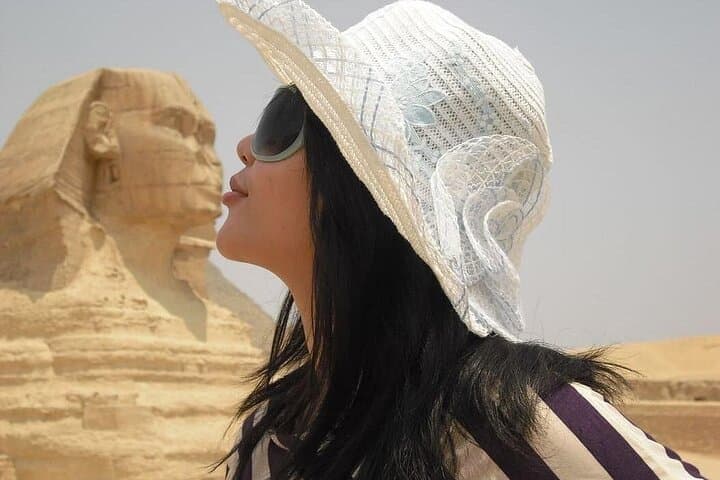
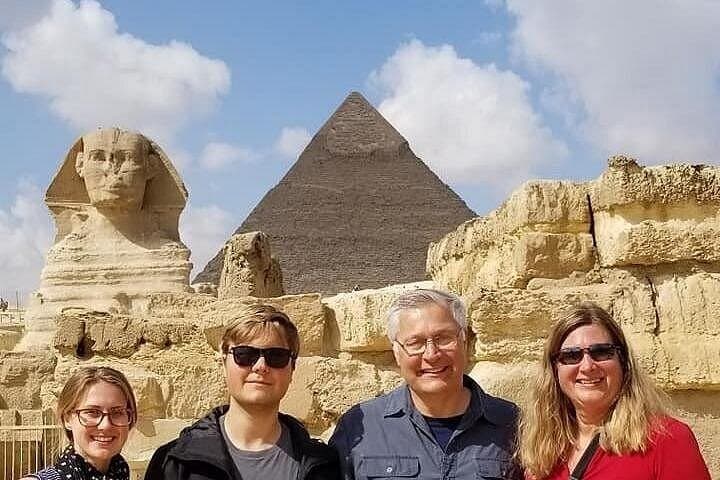
The day begins in Port Said with a private transfer across the Nile Delta to Cairo and the world’s oldest monumental tombs: Khufu, Khafre and Menkaure. Up close, the blocks that built the Great Pyramid feel like a human puzzle frozen in motion; the Sphinx watches with a worn, enigmatic profile. A licensed Egyptologist guides the group through the Valley Temple’s ancient red granite and then to the Egyptian Museum’s dense rooms where Tutankhamun’s gold and funerary masks redraw how you imagine the New Kingdom.
Geology here is blunt — sedimentary limestone beds exposed by millennia of quarrying make the plateau an archaeological map. Culturally, you’ll pass modern vendors and hear Cairo’s compressed rhythms; the site has been a pilgrimage, quarry and quarrying site for thousands of years.
Practical guidance: this is a long day (roughly 12–13 hours) with uneven walking on sand and stone. Bring sun protection, drink often, and accept the camel ride as a short, supervised novelty rather than transport. Photography is allowed in most outdoor areas but respect signage at museum displays. Expect stairs, loose footing on the plateau and tightly scheduled transfer windows back to Port Said.
Plan for early departure, a mid-day break for lunch, and leave room in your itinerary to absorb the museum’s dense artifacts rather than rush them.
easy.
12–13 hours.
Basic stamina for long days and short walks is sufficient; you should be able to walk 2–4 miles on uneven ground.
Yes — the tour price includes entrance fees to the Giza Plateau sites and the Egyptian Museum as described in the itinerary.
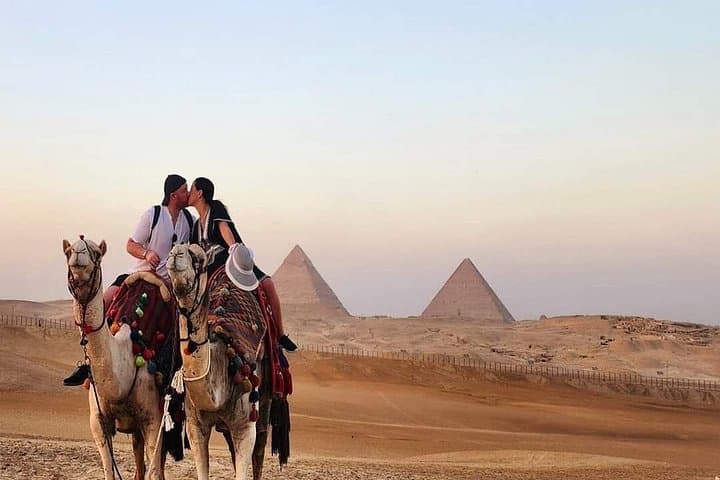
A short camel ride around the plateau is included; handlers supervise but rides are informal and not recommended for those with mobility concerns.
Yes — port pickup and drop-off in Port Said are included; confirm your ship’s arrival and departure times during booking.
Transport is wheelchair-accessible, but the Giza Plateau and some museum areas have uneven or stepped surfaces that limit full access; contact the operator for specifics.
The Great Pyramid dates to around 2560 BCE as Khufu’s tomb; the Egyptian Museum preserves thousands of artifacts, including the treasures of Tutankhamun discovered in the 1920s.
High visitor numbers and wind-driven erosion stress the limestone beds and fragile surfaces; stay on marked routes, avoid touching monuments and support site fees and licensed guides who fund conservation.
Bastet Travel operates guided outdoor trips and adventures with an emphasis on safety, stewardship, and memorable experiences.

You arrive in the thin, bright air of the desert as the tour vehicle eases onto the Giza Plateau, the stone giants rising beyond the heat shimmer.
You arrive in the thin, bright air of the desert as the tour vehicle eases onto the Giza Plateau, the stone giants rising beyond the heat shimmer.
The day begins in Port Said with a private transfer across the Nile Delta to Cairo and the world’s oldest monumental tombs: Khufu, Khafre and Menkaure. Up close, the blocks that built the Great Pyramid feel like a human puzzle frozen in motion; the Sphinx watches with a worn, enigmatic profile. A licensed Egyptologist guides the group through the Valley Temple’s ancient red granite and then to the Egyptian Museum’s dense rooms where Tutankhamun’s gold and funerary masks redraw how you imagine the New Kingdom.
Geology here is blunt — sedimentary limestone beds exposed by millennia of quarrying make the plateau an archaeological map. Culturally, you’ll pass modern vendors and hear Cairo’s compressed rhythms; the site has been a pilgrimage, quarry and quarrying site for thousands of years.
Practical guidance: this is a long day (roughly 12–13 hours) with uneven walking on sand and stone. Bring sun protection, drink often, and accept the camel ride as a short, supervised novelty rather than transport. Photography is allowed in most outdoor areas but respect signage at museum displays. Expect stairs, loose footing on the plateau and tightly scheduled transfer windows back to Port Said.
Plan for early departure, a mid-day break for lunch, and leave room in your itinerary to absorb the museum’s dense artifacts rather than rush them.