THE ADVENTURE COLLECTIVE® · Independent discovery and booking for outdoor travel

Explore Port Adelaide’s eerie Ships Graveyard and search for wild bottlenose dolphins on a 90-minute guided cruise. Expect historic wrecks, mangrove-lined backwaters, and local commentary that brings the river’s maritime past to life.
Explore Port Adelaide’s eerie Ships Graveyard and search for wild bottlenose dolphins on a 90-minute guided cruise. Expect historic wrecks, mangrove-lined backwaters, and local commentary that brings the river’s maritime past to life.
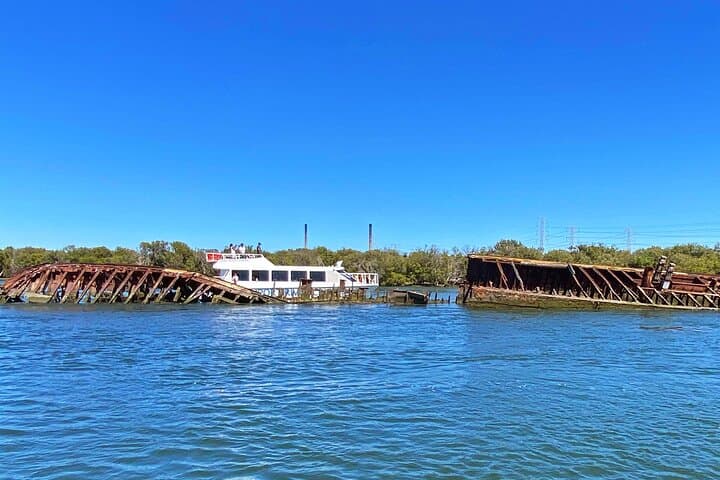
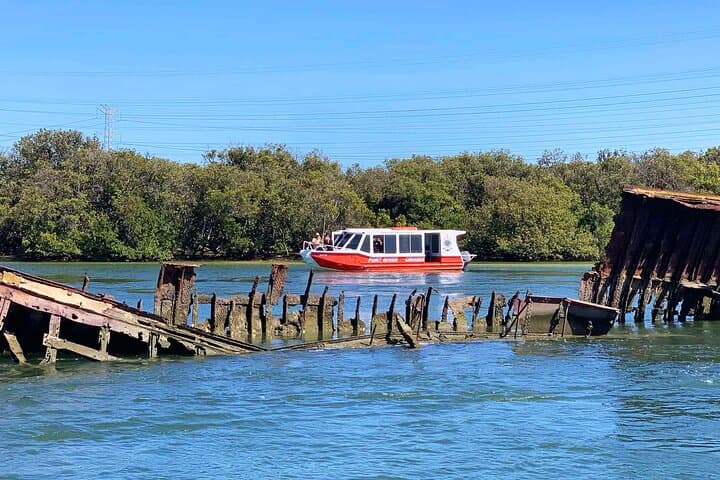
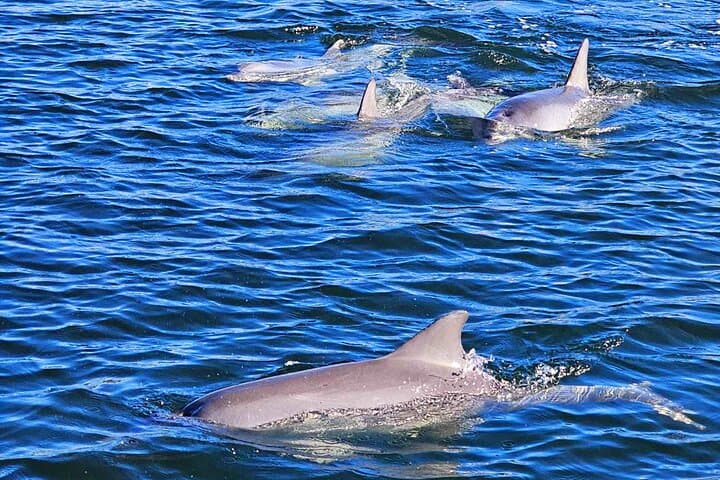
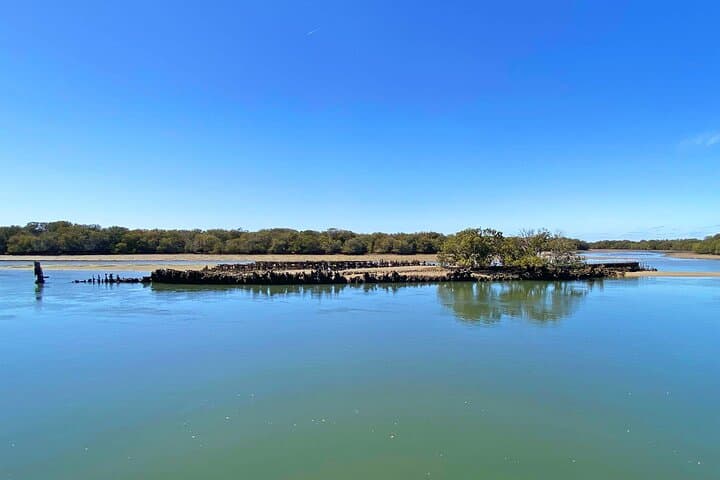
The engine ticks into a steady rhythm as the boat slips away from the wharf and into the labyrinth of the Port River. Mangrove roots reach like weathered hands; rusting hulls half-buried in silt reveal the Ships Graveyard, while the river opens into channels where bottlenose dolphins cut through the glassy surface, curious and quick. For 90 minutes the city’s edge becomes a working shoreline and a quiet marine sanctuary.
Verified experiences and guided adventures in the surrounding area.
Operated by Port River Cruises · Port Adelaide, South Australia
The engine ticks into a steady rhythm as the boat slips away from the wharf and into the labyrinth of the Port River. Mangrove roots reach like weathered hands; rusting hulls half-buried in silt reveal the Ships Graveyard, while the river opens into channels where bottlenose dolphins cut through the glassy surface, curious and quick. For 90 minutes the city’s edge becomes a working shoreline and a quiet marine sanctuary.
This cruise threads together maritime history, coastal geology and Kaurna culture. Port Adelaide grew around 19th-century shipping and industry, and the Ships Graveyard holds at least 40 abandoned vessels—sailing ships, steamers, barges—slowly reclaimed by mud and mangrove. Geologically, the shallow, sheltered estuary and sediment-laden channels create the conditions for wrecks to settle and mangroves to anchor. The tour also passes parts of the Adelaide Dolphin Sanctuary and the Adelaide International Bird Sanctuary — Winaityinaityi Pangkara — a site of cultural significance to the Kaurna people.
Practically: the cruise runs 90 minutes, departs near Port Adelaide and carries up to about 15 guests with guided commentary from the skipper. Expect informative history, regular dolphin-spotting opportunities (sightings are common but never guaranteed), basic toilet facilities onboard and flat-deck boarding suitable for strollers. Peak dolphin activity is often in calm, warm conditions—bring binoculars, sun protection and a light wind layer. Public transport serves the area and street parking is available near the departure point. The route is family-friendly and physically easy but benefits from arriving 15 minutes early to secure good viewing positions and to hear the safety briefing.
easy.
1.5 hours (90 minutes).
Suitable for most fitness levels; minimal mobility required for boarding a low-deck boat
Dolphin sightings are common—there are around 30 resident bottlenose dolphins in the Adelaide Dolphin Sanctuary and many transient visitors—but sightings cannot be guaranteed as they are wild animals.
Yes; the vessel and boarding area are stroller-accessible and the trip is rated physically easy, though parents should supervise children on deck.
Yes; basic toilet facilities are provided on the boat as listed in the tour inclusions.
Public transport serves Port Adelaide and there is nearby street parking; arriving 15 minutes early is recommended to locate the meeting point and board smoothly.
Port Adelaide developed as South Australia’s primary maritime hub in the 19th century; many abandoned vessels were left in the estuary as industry declined and maintenance became uneconomic.
The Adelaide Dolphin Sanctuary and adjacent bird sanctuary protect feeding and breeding habitats; visitors are asked to avoid feeding wildlife and to minimize noise and litter to reduce disturbance.
Port River Cruises operates guided outdoor trips and adventures with an emphasis on safety, stewardship, and memorable experiences.
The engine ticks into a steady rhythm as the boat slips away from the wharf and into the labyrinth of the Port River. Mangrove roots reach like weathered hands; rusting hulls half-buried in silt reveal the Ships Graveyard, while the river opens into channels where bottlenose dolphins cut through the glassy surface, curious and quick. For 90 minutes the city’s edge becomes a working shoreline and a quiet marine sanctuary.
The engine ticks into a steady rhythm as the boat slips away from the wharf and into the labyrinth of the Port River. Mangrove roots reach like weathered hands; rusting hulls half-buried in silt reveal the Ships Graveyard, while the river opens into channels where bottlenose dolphins cut through the glassy surface, curious and quick. For 90 minutes the city’s edge becomes a working shoreline and a quiet marine sanctuary.
This cruise threads together maritime history, coastal geology and Kaurna culture. Port Adelaide grew around 19th-century shipping and industry, and the Ships Graveyard holds at least 40 abandoned vessels—sailing ships, steamers, barges—slowly reclaimed by mud and mangrove. Geologically, the shallow, sheltered estuary and sediment-laden channels create the conditions for wrecks to settle and mangroves to anchor. The tour also passes parts of the Adelaide Dolphin Sanctuary and the Adelaide International Bird Sanctuary — Winaityinaityi Pangkara — a site of cultural significance to the Kaurna people.
Practically: the cruise runs 90 minutes, departs near Port Adelaide and carries up to about 15 guests with guided commentary from the skipper. Expect informative history, regular dolphin-spotting opportunities (sightings are common but never guaranteed), basic toilet facilities onboard and flat-deck boarding suitable for strollers. Peak dolphin activity is often in calm, warm conditions—bring binoculars, sun protection and a light wind layer. Public transport serves the area and street parking is available near the departure point. The route is family-friendly and physically easy but benefits from arriving 15 minutes early to secure good viewing positions and to hear the safety briefing.