THE ADVENTURE COLLECTIVE® · Independent discovery and booking for outdoor travel

Escape the rush of crowded tours with a slow-paced island hop from San Vicente to Port Barton’s sandbars, reefs, and turtle sanctuaries. This day trip emphasizes relaxed snorkeling, quiet beaches, and a local, eco-conscious approach.
Escape the rush of crowded tours with a slow-paced island hop from San Vicente to Port Barton’s sandbars, reefs, and turtle sanctuaries. This day trip emphasizes relaxed snorkeling, quiet beaches, and a local, eco-conscious approach.
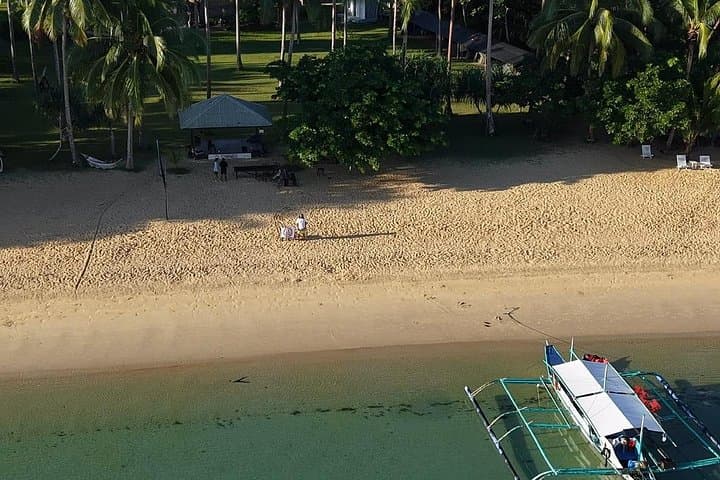
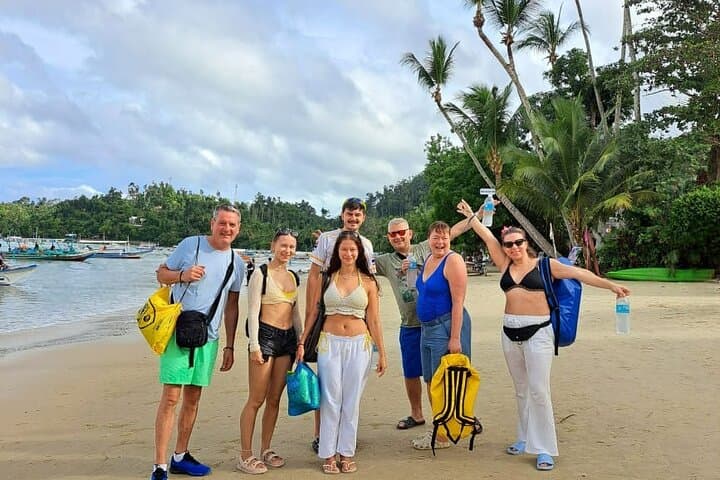
The boat slips away from Long Beach at San Vicente and the mainland recedes into a horizon of coconut palms and rolling green hills. You feel the boat’s rhythm more than hear it, each engine pulse moving you toward a string of small islands where time dilates: shallow channels, white sandbars, and coral gardens that keep most crowds away.
Verified experiences and guided adventures in the surrounding area.
Operated by El Nido Adventure Tours · San Vicente, Palawan
The boat slips away from Long Beach at San Vicente and the mainland recedes into a horizon of coconut palms and rolling green hills. You feel the boat’s rhythm more than hear it, each engine pulse moving you toward a string of small islands where time dilates: shallow channels, white sandbars, and coral gardens that keep most crowds away.
This stretch of central Palawan sits on young carbonate platforms carved by sea and reef growth. The waters here lie between larger island chains—geology that produces narrow channels and twin-reef formations ideal for snorkeling. Culturally, the area still carries the pace of fishing villages; local guides are often from nearby communities who maintain small-scale tourism practices and take pride in marine-protection efforts.
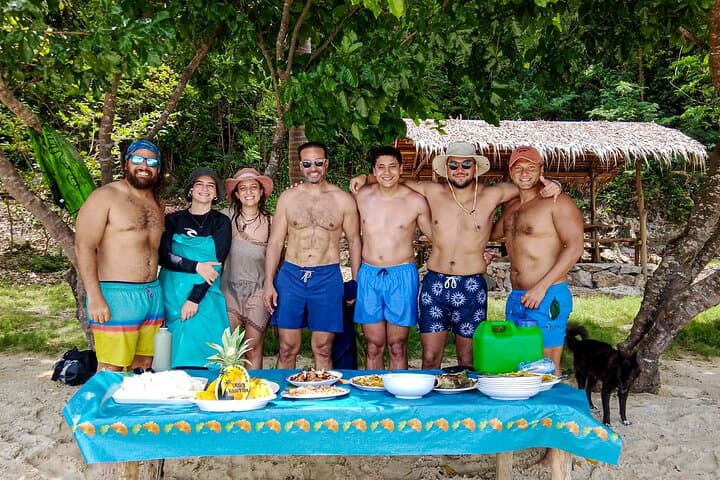
On this style of tour expect a slower itinerary: long stops for snorkeling at Twin Reef and a Turtle Sanctuary, walks across emergent sandbars at low tide, and time for lunch on a quiet beach. The marine park status around some islets means regulated access and simple rules—no anchoring on coral, no feeding wildlife.
Practical guidance: arrive with reef-safe sunscreen, a fitted mask and snorkel, and a dry bag for electronics. Bring cash for small local fees or souvenirs, and time your trip around morning light for the clearest water and calmer seas. Swim tests or basic snorkeling skills are useful; life vests are typically provided. With a flexible pace and respectful approach, this island hop balances relaxed beach time with meaningful encounters beneath the surface.
easy.
6–7 hours.
Suitable for most fitness levels; participants should be comfortable swimming short distances and getting on/off boats.
The tour is about 6–7 hours and commonly includes boat transport, a licensed guide, life vests, lunch, bottled water, towels, and government/park fees.
No; basic swimming and comfort in shallow water are sufficient. Life vests are provided for less confident swimmers.
Yes—stops at Turtle Sanctuary and Twin Reef are chosen for regular turtle sightings and healthy coral patches, though wildlife sightings can’t be guaranteed.
Mornings offer calmer seas and better visibility; the dry season (roughly November–May) generally has the most stable conditions for island hopping.
Port Barton and San Vicente grew as fishing settlements; in recent years local communities have shaped small‑scale tourism that emphasizes marine protection and village livelihoods.
Several islets are part of a marine-protected network—visitors are encouraged to use reef‑safe products, avoid anchoring on reefs, and follow guide instructions to minimize disturbance.
El Nido Adventure Tours operates guided outdoor trips and adventures with an emphasis on safety, stewardship, and memorable experiences.
The boat slips away from Long Beach at San Vicente and the mainland recedes into a horizon of coconut palms and rolling green hills. You feel the boat’s rhythm more than hear it, each engine pulse moving you toward a string of small islands where time dilates: shallow channels, white sandbars, and coral gardens that keep most crowds away.
The boat slips away from Long Beach at San Vicente and the mainland recedes into a horizon of coconut palms and rolling green hills. You feel the boat’s rhythm more than hear it, each engine pulse moving you toward a string of small islands where time dilates: shallow channels, white sandbars, and coral gardens that keep most crowds away.
This stretch of central Palawan sits on young carbonate platforms carved by sea and reef growth. The waters here lie between larger island chains—geology that produces narrow channels and twin-reef formations ideal for snorkeling. Culturally, the area still carries the pace of fishing villages; local guides are often from nearby communities who maintain small-scale tourism practices and take pride in marine-protection efforts.
On this style of tour expect a slower itinerary: long stops for snorkeling at Twin Reef and a Turtle Sanctuary, walks across emergent sandbars at low tide, and time for lunch on a quiet beach. The marine park status around some islets means regulated access and simple rules—no anchoring on coral, no feeding wildlife.
Practical guidance: arrive with reef-safe sunscreen, a fitted mask and snorkel, and a dry bag for electronics. Bring cash for small local fees or souvenirs, and time your trip around morning light for the clearest water and calmer seas. Swim tests or basic snorkeling skills are useful; life vests are typically provided. With a flexible pace and respectful approach, this island hop balances relaxed beach time with meaningful encounters beneath the surface.