THE ADVENTURE COLLECTIVE® · Independent discovery and booking for outdoor travel

Watch sunrise spill over Annapurna and Machapuchare from Poon Hill on a compact 4–5 day trek. Expect steep stone steps, rhododendron forests, teahouse nights and rich Gurung village culture—ideal for hikers seeking big views without technical climbing.
Watch sunrise spill over Annapurna and Machapuchare from Poon Hill on a compact 4–5 day trek. Expect steep stone steps, rhododendron forests, teahouse nights and rich Gurung village culture—ideal for hikers seeking big views without technical climbing.
Dawn arrives cold and clear on the ridge above Ghorepani; clouds hang low in the valleys while a slice of orange light cuts the jagged teeth of Annapurna South and Machapuchare. You climb the last stone steps with headlamp in hand, the air thin and the trail lined by rhododendron trunks that seem to lean toward the mountains.
Verified experiences and guided adventures in the surrounding area.
Operated by The Trekking Time · Pokhara, Gandaki Province
Dawn arrives cold and clear on the ridge above Ghorepani; clouds hang low in the valleys while a slice of orange light cuts the jagged teeth of Annapurna South and Machapuchare. You climb the last stone steps with headlamp in hand, the air thin and the trail lined by rhododendron trunks that seem to lean toward the mountains.
This classic 4–5 day trek follows old mule routes and Gurung villages whose terraces and stoned paths have guided traders and villagers for generations. Geologically, the trail skirts the Lesser Himalaya — weathered schists and metamorphosed sandstones that form steep, stepped slopes. Culturally, villages like Ghandruk and Ghorepani are living repositories of Gurung life: prayer flags, simple teahouses and communal farming.
Expect forested switchbacks, long stone staircases, and a final steep scramble to Poon Hill at about 3,210 m for the sunrise show. Nights are spent in teahouses with basic but warm rooms and hearty dal bhat; daytime hiking is typically 3–6 hours with frequent viewpoints.
Practical guidance: acclimatize slowly, keep daily hikes conservative, and carry layers — temperatures swing dramatically before and after sunrise. Hydrate and bring snacks for the steep ascents; local maps and a guide will cut route-finding stress and connect you with village life. Mobile signal is intermittent; cash is useful for small purchases. If you aim for rhododendron bloom, schedule the trek for spring when the forests burst into color. With modest fitness and proper layering, Poon Hill delivers high-mountain panoramas without technical climbing.
moderate.
4–5 days.
Moderate—shoulders and legs conditioned for multiple days of uphill and downhill walking, carrying a daypack
Yes—Annapurna Conservation Area Project (ACAP) permits and TIMS are required; many operators include them in the price.
It’s non-technical but moderately strenuous due to steep stone staircases and daily uphill sections; basic fitness is sufficient.
Spring (Mar–May) and autumn (Sep–Nov) offer the most reliable weather and visibility; spring also brings rhododendron blooms.
Teahouses provide simple rooms, shared bathrooms, and hearty local meals—expect basic comfort and warm food after the day’s hike.
The routes link traditional Gurung villages that historically traded salt and grain; many trails began as mule tracks and retain stone steps and stone-walled terraces.
The Annapurna Conservation Area (ACAP) manages permits and community tourism; stick to trails, pack out trash, and support local teahouses to reduce footprint.
The Trekking Time operates guided outdoor trips and adventures with an emphasis on safety, stewardship, and memorable experiences.
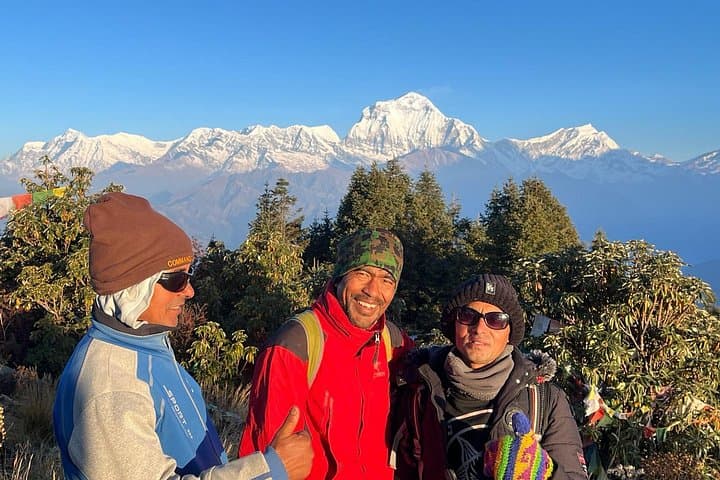
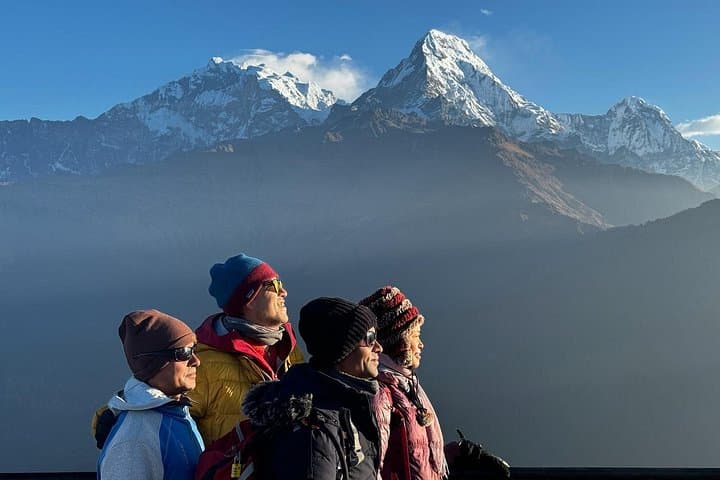
Dawn arrives cold and clear on the ridge above Ghorepani; clouds hang low in the valleys while a slice of orange light cuts the jagged teeth of Annapurna South and Machapuchare. You climb the last stone steps with headlamp in hand, the air thin and the trail lined by rhododendron trunks that seem to lean toward the mountains.
Dawn arrives cold and clear on the ridge above Ghorepani; clouds hang low in the valleys while a slice of orange light cuts the jagged teeth of Annapurna South and Machapuchare. You climb the last stone steps with headlamp in hand, the air thin and the trail lined by rhododendron trunks that seem to lean toward the mountains.
This classic 4–5 day trek follows old mule routes and Gurung villages whose terraces and stoned paths have guided traders and villagers for generations. Geologically, the trail skirts the Lesser Himalaya — weathered schists and metamorphosed sandstones that form steep, stepped slopes. Culturally, villages like Ghandruk and Ghorepani are living repositories of Gurung life: prayer flags, simple teahouses and communal farming.
Expect forested switchbacks, long stone staircases, and a final steep scramble to Poon Hill at about 3,210 m for the sunrise show. Nights are spent in teahouses with basic but warm rooms and hearty dal bhat; daytime hiking is typically 3–6 hours with frequent viewpoints.
Practical guidance: acclimatize slowly, keep daily hikes conservative, and carry layers — temperatures swing dramatically before and after sunrise. Hydrate and bring snacks for the steep ascents; local maps and a guide will cut route-finding stress and connect you with village life. Mobile signal is intermittent; cash is useful for small purchases. If you aim for rhododendron bloom, schedule the trek for spring when the forests burst into color. With modest fitness and proper layering, Poon Hill delivers high-mountain panoramas without technical climbing.