THE ADVENTURE COLLECTIVE® · Independent discovery and booking for outdoor travel

A short, social Himalayan trek that delivers a famous sunrise above Annapurna and Dhaulagiri. Expect steep stone staircases, rhododendron forests and simple lodge stays between Pokhara and Poon Hill.
A short, social Himalayan trek that delivers a famous sunrise above Annapurna and Dhaulagiri. Expect steep stone staircases, rhododendron forests and simple lodge stays between Pokhara and Poon Hill.
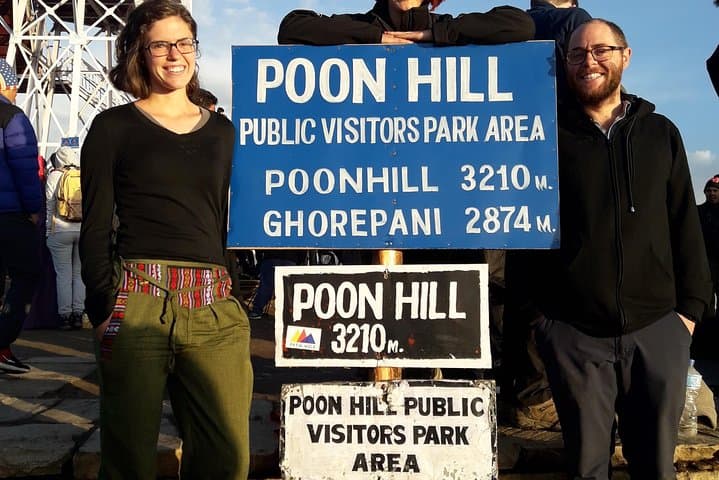
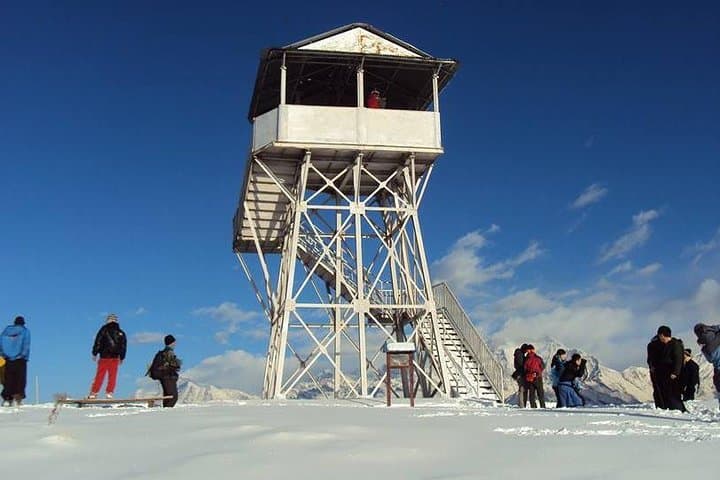
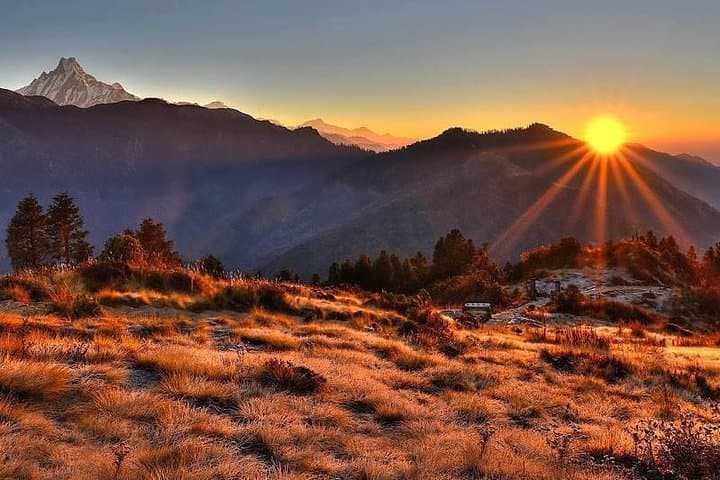
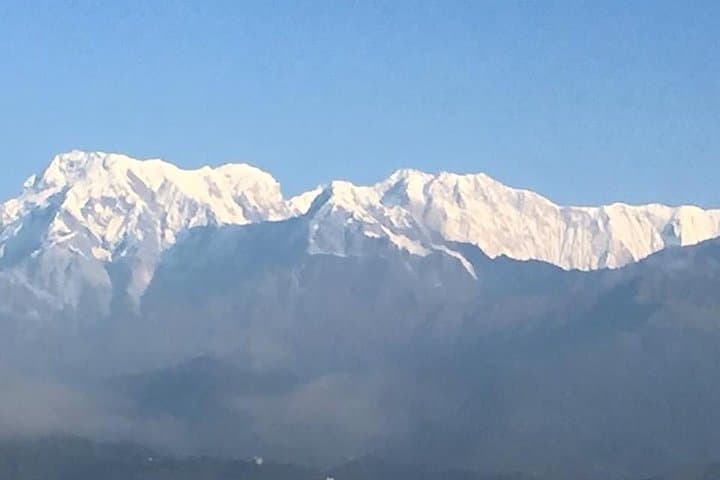
Before dawn you move through a small knot of headlamps on a narrow ridge; the world is charcoal and breath fogs from your lips. By the time the sun pushes a first gold edge over the Himalaya, the valley exhales and the jagged teeth of Annapurna I, Dhaulagiri and Machhapuchhre ignite into relief. Poon Hill’s viewpoint (3,210 m) is compact and communal—trekkers, porters and roped-in dawn light share the moment.
Verified experiences and guided adventures in the surrounding area.
Operated by Adventure Thirdpole · Pokhara, Gandaki Province
Before dawn you move through a small knot of headlamps on a narrow ridge; the world is charcoal and breath fogs from your lips. By the time the sun pushes a first gold edge over the Himalaya, the valley exhales and the jagged teeth of Annapurna I, Dhaulagiri and Machhapuchhre ignite into relief. Poon Hill’s viewpoint (3,210 m) is compact and communal—trekkers, porters and roped-in dawn light share the moment.
Geology here is blunt and recent: the high, steep faces are the Indian plate colliding with Eurasia, folded and uplifted into glacial flanks and moraine-scoured valleys. Human history sits lower: Gurung and Magar villages like Ghorepani and Ghandruk have shepherded these trails for generations; stone teahouses, a small Gurung museum and prayer flags mark a lived mountain culture.
The walk itself moves predictably—steep stone staircases out of Ulleri, rhododendron and oak corridors, and a final short, steep climb to Poon Hill’s terrace of prayer stones. Expect 4–6 hours most days on mixed dirt and stone, with big views compensating for the calf-burning pitches.
Practicalities: the trek is usually done from Pokhara via Nayapul, requires an ACAP and TIMS permit, and is best in spring or autumn. Early starts beat the clouds; layers and waterproofs are essential at altitude. Hydrate, pace uphill sections, and plan lodge stops—tea houses provide basic food and shelter but nights are cold. For a short Himalayan immersion with major mountain payoff, the Poon Hill route is direct, social and reliably spectacular.
moderate.
8–10 days (including transfers).
Good cardiovascular fitness; able to hike 4–6 hours per day on steep, uneven terrain
Yes—both an Annapurna Conservation Area Permit (ACAP) and a TIMS card are required and can be arranged in Pokhara.
The final climb from Ghorepani to Poon Hill viewpoint takes about 45–75 minutes depending on pace and conditions.
Poon Hill is ~3,210 m—mild altitude effects are possible; ascend gradually, hydrate, and monitor symptoms.
Spring (March–May) and autumn (September–November) offer the clearest skies and stable weather for sunrise views.
Local Gurung and Magar communities have maintained these footpaths for trade and seasonal herding for centuries, and many villages retain traditional houses and cultural practices.
The Annapurna Conservation Area regulates permits and lodges to limit impact; stick to marked trails, minimize waste, and use teahouse water treatment to reduce plastic use.
Adventure Thirdpole operates guided outdoor trips and adventures with an emphasis on safety, stewardship, and memorable experiences.
Before dawn you move through a small knot of headlamps on a narrow ridge; the world is charcoal and breath fogs from your lips. By the time the sun pushes a first gold edge over the Himalaya, the valley exhales and the jagged teeth of Annapurna I, Dhaulagiri and Machhapuchhre ignite into relief. Poon Hill’s viewpoint (3,210 m) is compact and communal—trekkers, porters and roped-in dawn light share the moment.
Before dawn you move through a small knot of headlamps on a narrow ridge; the world is charcoal and breath fogs from your lips. By the time the sun pushes a first gold edge over the Himalaya, the valley exhales and the jagged teeth of Annapurna I, Dhaulagiri and Machhapuchhre ignite into relief. Poon Hill’s viewpoint (3,210 m) is compact and communal—trekkers, porters and roped-in dawn light share the moment.
Geology here is blunt and recent: the high, steep faces are the Indian plate colliding with Eurasia, folded and uplifted into glacial flanks and moraine-scoured valleys. Human history sits lower: Gurung and Magar villages like Ghorepani and Ghandruk have shepherded these trails for generations; stone teahouses, a small Gurung museum and prayer flags mark a lived mountain culture.
The walk itself moves predictably—steep stone staircases out of Ulleri, rhododendron and oak corridors, and a final short, steep climb to Poon Hill’s terrace of prayer stones. Expect 4–6 hours most days on mixed dirt and stone, with big views compensating for the calf-burning pitches.
Practicalities: the trek is usually done from Pokhara via Nayapul, requires an ACAP and TIMS permit, and is best in spring or autumn. Early starts beat the clouds; layers and waterproofs are essential at altitude. Hydrate, pace uphill sections, and plan lodge stops—tea houses provide basic food and shelter but nights are cold. For a short Himalayan immersion with major mountain payoff, the Poon Hill route is direct, social and reliably spectacular.