THE ADVENTURE COLLECTIVE® · Independent discovery and booking for outdoor travel

A compact Himalayan trek that delivers a show-stopping sunrise over the Annapurna range. Perfect for travelers with limited time who want mountain viewpoints, rhododendron forests and authentic village stays.
A compact Himalayan trek that delivers a show-stopping sunrise over the Annapurna range. Perfect for travelers with limited time who want mountain viewpoints, rhododendron forests and authentic village stays.
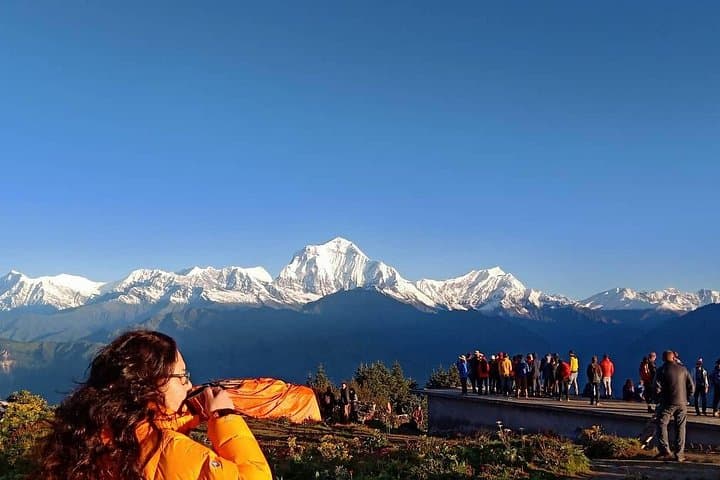
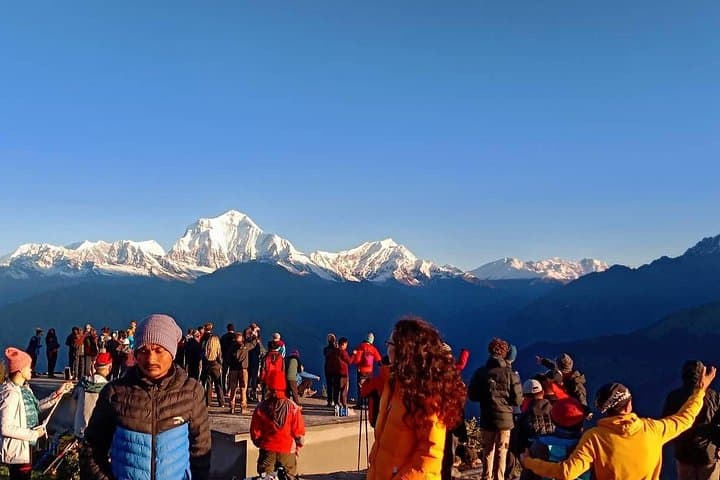
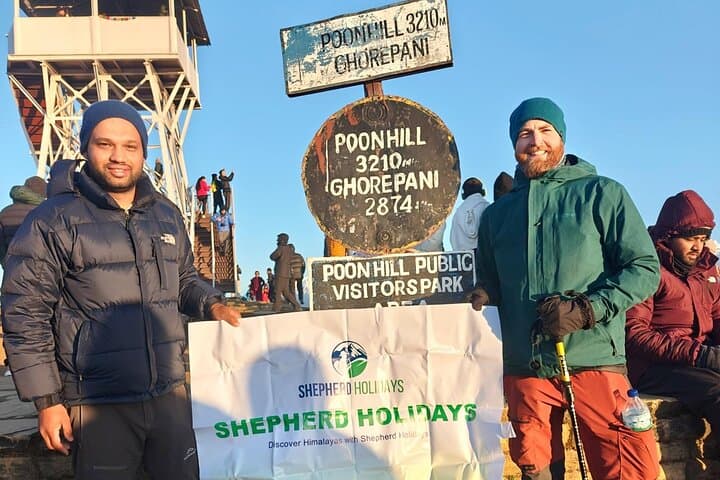
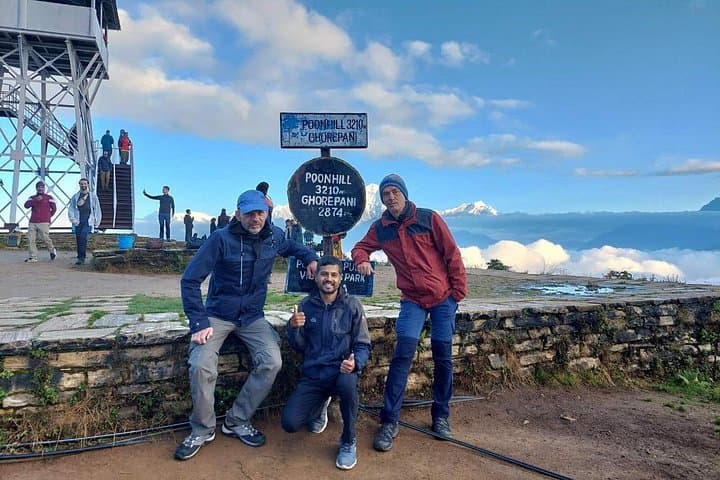
A headlamp leads you up a narrow dirt spine of trail through a forest still holding night’s chill. By the time the horizon lightens, the crowd at Poon Hill (3,210 m) stands quiet, watching first light paint Annapurna South, Machhapuchhre (Fishtail) and distant Dhaulagiri in copper and gold. The sunrise feels like an agreement between altitude and patience.
Verified experiences and guided adventures in the surrounding area.
Operated by Shepherd Holidays · Ghorepani, Gandaki Province
A headlamp leads you up a narrow dirt spine of trail through a forest still holding night’s chill. By the time the horizon lightens, the crowd at Poon Hill (3,210 m) stands quiet, watching first light paint Annapurna South, Machhapuchhre (Fishtail) and distant Dhaulagiri in copper and gold. The sunrise feels like an agreement between altitude and patience.
The route follows centuries-old shepherd and trade paths through Gurung and Magar villages—Ghorepani and Ghandruk among them—where stone houses, terraced fields and prayer flags mark human life at the forest’s edge. Geologically the Annapurna range is young: uplift from the Indian-Eurasian plate collision created steep ridgelines and deep river valleys that carve the trail’s climbs and descents. Spring brings rhododendron blooms; winter offers crisp, blue-sky vantage points.
Practical notes: the classic 6–8 day itinerary runs Nayapul → Ulleri → Ghorepani → Poon Hill → Tadapani → Ghandruk → Nayapul, with daily walks of 3–6 hours and the highest regular stop at Poon Hill. Tea-house accommodation makes logistics simple—pack layers, a warm sleeping layer, and sturdy footwear for steep stone steps. Altitude is moderate but respect early signs of AMS: hydrate, move at a steady pace and use a porter if you prefer.
Best times are spring and autumn for clear mountain views; winter is quieter but colder; monsoon days are green and slippery. Transfers run from Pokhara by road; permits are straightforward. For a short Himalayan trek that foregrounds sunrise, culture and compact alpine scenery, the Poon Hill circuit is efficient, accessible and rewarding.
easy.
7–8 days.
Light to moderate fitness—able to walk 3–6 hours a day on uneven terrain and stairs
No—this is a non-technical trek on established trails; basic fitness and comfortable hiking experience are sufficient.
You need the Annapurna Conservation Area Permit (ACAP) and a TIMS card; guides/agents typically handle them before or during the first day.
Pre-dawn temperatures at 3,210 m can fall below freezing in shoulder seasons and winter—bring insulated layers and a warm hat.
Independent trekkers can do it, but guides and porters simplify logistics, arrange permits, and improve safety for less experienced travelers.
The Ghorepani–Poon Hill path follows historic mule and shepherd routes linking settlements in the Annapurna foothills and reflects long-standing Gurung and Magar highland cultures.
The trek runs through Annapurna Conservation Area—stay on trails, pack out waste and support local tea-house economies to reduce environmental impact.
Shepherd Holidays operates guided outdoor trips and adventures with an emphasis on safety, stewardship, and memorable experiences.
A headlamp leads you up a narrow dirt spine of trail through a forest still holding night’s chill. By the time the horizon lightens, the crowd at Poon Hill (3,210 m) stands quiet, watching first light paint Annapurna South, Machhapuchhre (Fishtail) and distant Dhaulagiri in copper and gold. The sunrise feels like an agreement between altitude and patience.
A headlamp leads you up a narrow dirt spine of trail through a forest still holding night’s chill. By the time the horizon lightens, the crowd at Poon Hill (3,210 m) stands quiet, watching first light paint Annapurna South, Machhapuchhre (Fishtail) and distant Dhaulagiri in copper and gold. The sunrise feels like an agreement between altitude and patience.
The route follows centuries-old shepherd and trade paths through Gurung and Magar villages—Ghorepani and Ghandruk among them—where stone houses, terraced fields and prayer flags mark human life at the forest’s edge. Geologically the Annapurna range is young: uplift from the Indian-Eurasian plate collision created steep ridgelines and deep river valleys that carve the trail’s climbs and descents. Spring brings rhododendron blooms; winter offers crisp, blue-sky vantage points.
Practical notes: the classic 6–8 day itinerary runs Nayapul → Ulleri → Ghorepani → Poon Hill → Tadapani → Ghandruk → Nayapul, with daily walks of 3–6 hours and the highest regular stop at Poon Hill. Tea-house accommodation makes logistics simple—pack layers, a warm sleeping layer, and sturdy footwear for steep stone steps. Altitude is moderate but respect early signs of AMS: hydrate, move at a steady pace and use a porter if you prefer.
Best times are spring and autumn for clear mountain views; winter is quieter but colder; monsoon days are green and slippery. Transfers run from Pokhara by road; permits are straightforward. For a short Himalayan trek that foregrounds sunrise, culture and compact alpine scenery, the Poon Hill circuit is efficient, accessible and rewarding.