THE ADVENTURE COLLECTIVE® · Independent discovery and booking for outdoor travel

A compact 9-day trek into the Annapurna foothills that culminates in the iconic Poon Hill sunrise. Expect steep stone steps, rhododendron forests, and village teahouses with panoramic Himalayan views.
A compact 9-day trek into the Annapurna foothills that culminates in the iconic Poon Hill sunrise. Expect steep stone steps, rhododendron forests, and village teahouses with panoramic Himalayan views.
The morning air on the Ghorepani ridge bites clean and cold; headlamps bob like a low constellation as trekkers press uphill toward Poon Hill. At the top, Himalayan peaks slow your breath and the rising sun paints Annapurna, Dhaulagiri and Machapuchare in hard, sudden gold — a moment that makes the climb worthwhile.
Verified experiences and guided adventures in the surrounding area.
Operated by NBM Travel Company Pvt. Ltd. · Pokhara, Gandaki Province
The morning air on the Ghorepani ridge bites clean and cold; headlamps bob like a low constellation as trekkers press uphill toward Poon Hill. At the top, Himalayan peaks slow your breath and the rising sun paints Annapurna, Dhaulagiri and Machapuchare in hard, sudden gold — a moment that makes the climb worthwhile.
This route follows classic Annapurna foothills shaped by ancient uplift and active rivers. Trails wind through oak and rhododendron forests that, in spring, dare you closer with explosive red blooms. The valley carries traces of Gurung and Magar communities: stone-built teahouses, prayer flags on passes, and oral histories of Gurkha service echoed in village conversation.
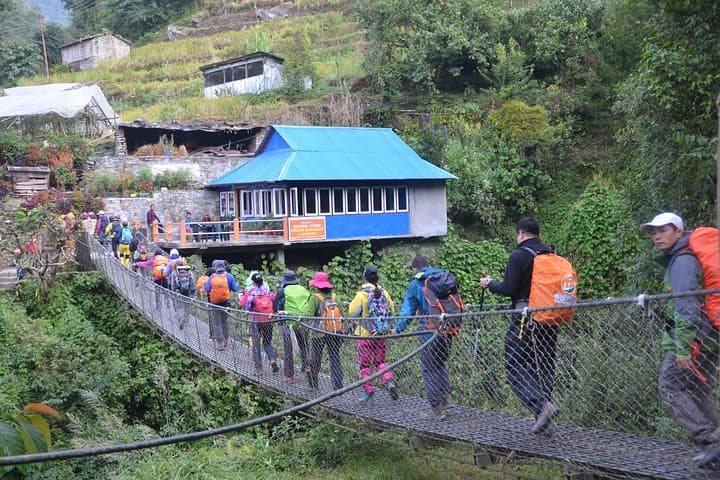
The trek covers steady daily gains rather than technical climbs — expect long stone stair sections, short steep pitches, stream crossings, and exposed viewpoint ridges. Lodges and teahouses provide basic hot meals and a place to dry gear; porters are commonly used and included in many packages.
Practical guidance: pace the ascent — your highest point approaches ~3,200 m — and allow morning windows for summit views before clouds develop. Pack layered insulation for pre-dawn hours, sturdy boots for rocky, often wet steps, and cash for teahouse purchases. Hydrate and watch for mild altitude signs; many services include first-aid and TIMS/permits.
Whether you come for the sunrise, rhododendron corridors, or cultural exchanges in Ghandruk, the Poon Hill trek is a compact, well-supported Himalayan introduction that rewards steady effort with panoramic reward.
moderate.
9 days.
Suitable for hikers who can walk 4–6 hours a day on uneven terrain; some stamina for steep stair sections is required.
Yes — TIMS and the Annapurna Conservation Area Permit are required; many tour operators handle these for you.
The trek reaches approximately 3,200 m on some ridge sections near Tadapani/Poon Hill viewpoints; most nights are spent lower in teahouses.
You’ll stay in teahouses and lodges each night — this itinerary uses basic accommodation rather than camping.
Spring (March–May) and autumn (Sept–Nov) offer the clearest mountain views and stable weather; winter is colder and monsoon season brings heavy rain and clouds.
The trail crosses land long inhabited by Gurung and Magar communities; many villages have historical links to Gurkha military service and traditional hill agriculture.
The route lies inside the Annapurna Conservation Area — follow Leave No Trace, minimize single-use plastics, and support local lodges that participate in community conservation programs.
NBM Travel Company Pvt. Ltd. operates guided outdoor trips and adventures with an emphasis on safety, stewardship, and memorable experiences.
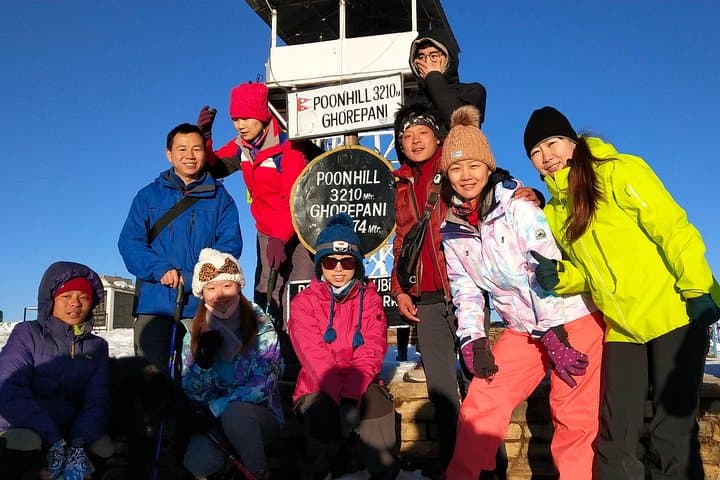
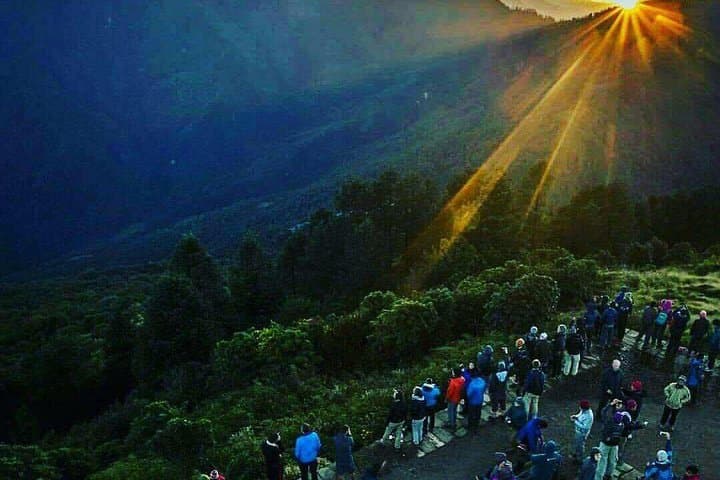
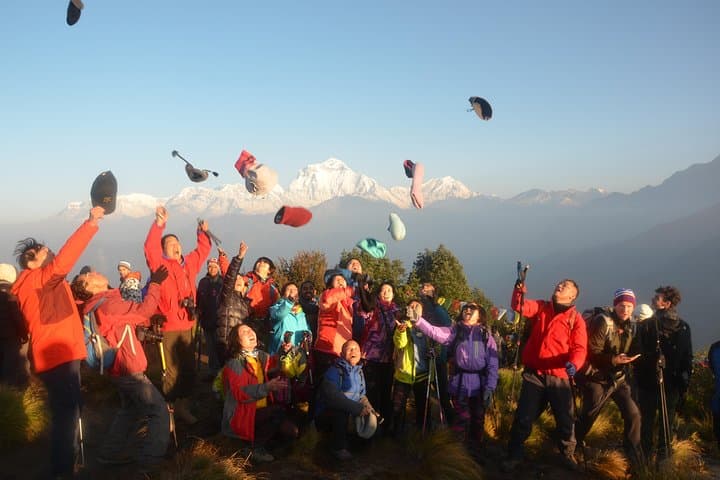
The morning air on the Ghorepani ridge bites clean and cold; headlamps bob like a low constellation as trekkers press uphill toward Poon Hill. At the top, Himalayan peaks slow your breath and the rising sun paints Annapurna, Dhaulagiri and Machapuchare in hard, sudden gold — a moment that makes the climb worthwhile.
The morning air on the Ghorepani ridge bites clean and cold; headlamps bob like a low constellation as trekkers press uphill toward Poon Hill. At the top, Himalayan peaks slow your breath and the rising sun paints Annapurna, Dhaulagiri and Machapuchare in hard, sudden gold — a moment that makes the climb worthwhile.
This route follows classic Annapurna foothills shaped by ancient uplift and active rivers. Trails wind through oak and rhododendron forests that, in spring, dare you closer with explosive red blooms. The valley carries traces of Gurung and Magar communities: stone-built teahouses, prayer flags on passes, and oral histories of Gurkha service echoed in village conversation.
The trek covers steady daily gains rather than technical climbs — expect long stone stair sections, short steep pitches, stream crossings, and exposed viewpoint ridges. Lodges and teahouses provide basic hot meals and a place to dry gear; porters are commonly used and included in many packages.
Practical guidance: pace the ascent — your highest point approaches ~3,200 m — and allow morning windows for summit views before clouds develop. Pack layered insulation for pre-dawn hours, sturdy boots for rocky, often wet steps, and cash for teahouse purchases. Hydrate and watch for mild altitude signs; many services include first-aid and TIMS/permits.
Whether you come for the sunrise, rhododendron corridors, or cultural exchanges in Ghandruk, the Poon Hill trek is a compact, well-supported Himalayan introduction that rewards steady effort with panoramic reward.