THE ADVENTURE COLLECTIVE® · Independent discovery and booking for outdoor travel

A classic Annapurna lodge trek that peaks at Poon Hill (3,210 m) for sunrise views of the Himalayan skyline. This 10-day route pairs comfortable mountain lodges with steady walks through rhododendron forests and traditional villages.
A classic Annapurna lodge trek that peaks at Poon Hill (3,210 m) for sunrise views of the Himalayan skyline. This 10-day route pairs comfortable mountain lodges with steady walks through rhododendron forests and traditional villages.
Dawn arrives cold and thin above Ghorepani; a line of headlamps threads the final switchbacks to Poon Hill and the first light pries open the Annapurna range. You stand at roughly 3,210 metres as the jagged massifs — Annapurna South, Hiunchuli and Machhapuchhre — push up like a harsh skyline. The trail carries you through rhododendron forests, terraced villages and high ridgelines where wind scours the path and prayer flags snap like small sails.
Verified experiences and guided adventures in the surrounding area.
Operated by The Xutti Pvt Ltd · Pokhara, Gandaki Province
Dawn arrives cold and thin above Ghorepani; a line of headlamps threads the final switchbacks to Poon Hill and the first light pries open the Annapurna range. You stand at roughly 3,210 metres as the jagged massifs — Annapurna South, Hiunchuli and Machhapuchhre — push up like a harsh skyline. The trail carries you through rhododendron forests, terraced villages and high ridgelines where wind scours the path and prayer flags snap like small sails.
This 10-day itinerary links Kathmandu and Pokhara with a six-day lodge-to-lodge trek in the Annapurna Conservation Area. The route follows classic Ghorepani–Poon Hill trails used by Gurung and Magar communities for generations, crossing river valleys and steep stone stairways carved from local rock. Geologically, you’re walking the frontal ranges of the Himalaya — young, uplifted sediment folded against the Tibetan plate — which creates sudden elevation changes and dramatic viewpoints.
Expect 3–8 hour walking days, one pre-dawn climb to Poon Hill and nights in mountain lodges on twin-share. Guides and porters handle permits (ACAP/TIMS), logistics and village etiquette; local culture centers on farming, animal husbandry and temple ritual.
Practical edge: layer for rapid temperature swings, carry at least 2–3 litres of water with purification, and budget local currency for tea-house snacks and tips. Start early to avoid clouds at the ridge and allow a gentle ascent profile to reduce altitude strain. The trail is well marked but uneven — good boots and trekking poles materially reduce fatigue. With basic fitness and sensible pacing, the Poon Hill trek delivers high-mountain panoramas without technical mountaineering.
moderate.
9–10 days.
Suitable for hikers with regular cardio activity; expect sustained uphill and downhill on uneven terrain
Yes — Annapurna Conservation Area Permit (ACAP) and TIMS are required; tour operator usually handles them.
Temperatures can fall below freezing before sunrise at 3,210 m; expect single digits to sub-zero, depending on season.
Teahouses offer twin-share rooms with shared bathrooms and hot meals; expect basic but warm hospitality.
This route gains altitude relatively quickly, so steady pacing and at least one lighter day help reduce altitude-related issues.
The Ghorepani–Poon Hill trail has long been a trade and seasonal migration route for Gurung and Magar communities; lodges grew later with trekking tourism in the mid-20th century.
Annapurna Conservation Area regulates permits and visitor behavior; stick to trails, pack out waste where possible and support local lodges to keep revenue in villages.
The Xutti Pvt Ltd operates guided outdoor trips and adventures with an emphasis on safety, stewardship, and memorable experiences.


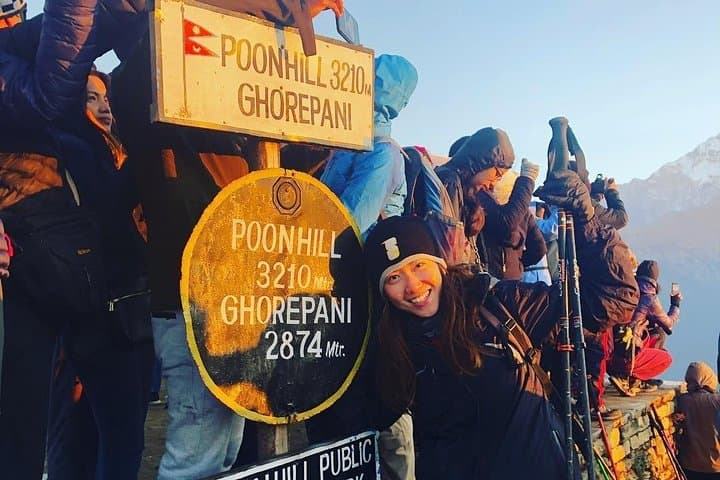
Dawn arrives cold and thin above Ghorepani; a line of headlamps threads the final switchbacks to Poon Hill and the first light pries open the Annapurna range. You stand at roughly 3,210 metres as the jagged massifs — Annapurna South, Hiunchuli and Machhapuchhre — push up like a harsh skyline. The trail carries you through rhododendron forests, terraced villages and high ridgelines where wind scours the path and prayer flags snap like small sails.
Dawn arrives cold and thin above Ghorepani; a line of headlamps threads the final switchbacks to Poon Hill and the first light pries open the Annapurna range. You stand at roughly 3,210 metres as the jagged massifs — Annapurna South, Hiunchuli and Machhapuchhre — push up like a harsh skyline. The trail carries you through rhododendron forests, terraced villages and high ridgelines where wind scours the path and prayer flags snap like small sails.
This 10-day itinerary links Kathmandu and Pokhara with a six-day lodge-to-lodge trek in the Annapurna Conservation Area. The route follows classic Ghorepani–Poon Hill trails used by Gurung and Magar communities for generations, crossing river valleys and steep stone stairways carved from local rock. Geologically, you’re walking the frontal ranges of the Himalaya — young, uplifted sediment folded against the Tibetan plate — which creates sudden elevation changes and dramatic viewpoints.
Expect 3–8 hour walking days, one pre-dawn climb to Poon Hill and nights in mountain lodges on twin-share. Guides and porters handle permits (ACAP/TIMS), logistics and village etiquette; local culture centers on farming, animal husbandry and temple ritual.
Practical edge: layer for rapid temperature swings, carry at least 2–3 litres of water with purification, and budget local currency for tea-house snacks and tips. Start early to avoid clouds at the ridge and allow a gentle ascent profile to reduce altitude strain. The trail is well marked but uneven — good boots and trekking poles materially reduce fatigue. With basic fitness and sensible pacing, the Poon Hill trek delivers high-mountain panoramas without technical mountaineering.