THE ADVENTURE COLLECTIVE® · Independent discovery and booking for outdoor travel

A short, panoramic trek on Annapurna’s mid-hills culminating in a sunrise at Poon Hill. Ideal for hikers with moderate fitness seeking big Himalayan views, rhododendron forests and Gurung village culture.
A short, panoramic trek on Annapurna’s mid-hills culminating in a sunrise at Poon Hill. Ideal for hikers with moderate fitness seeking big Himalayan views, rhododendron forests and Gurung village culture.
Before dawn the ridge breathes cold and clear. A short, steep push from Ghorepani leads you into a ring of headlamps and the hush of rhododendron forest; by the time the sun slips up over Dhaulagiri and Annapurna, the peaks cut hard silhouettes against an expanding wash of gold and blue.
Verified experiences and guided adventures in the surrounding area.
Operated by Well Plan Trekking · Ghorepani, Gandaki Province
Before dawn the ridge breathes cold and clear. A short, steep push from Ghorepani leads you into a ring of headlamps and the hush of rhododendron forest; by the time the sun slips up over Dhaulagiri and Annapurna, the peaks cut hard silhouettes against an expanding wash of gold and blue.
This compact trek follows ancient mule trails on the old trans-Himalayan salt route. Geologically the route traces mid-hill ridges carved by rivers spilling from the Annapurna massif; you climb on stone-paved steps and terraced farmland, then through oak, pine and rhododendron that frame repeated mountain vistas. Culturally, the trail threads Gurung and Magar villages—Ghandruk still preserves traditional slate-roof houses and a community museum that explains hill agriculture and wartime recruitment into Gurkha regiments.
Expect steady ascents and descents, 3–6 hours of walking most days, with the highest point at Poon Hill ~3,210 m. Lodging is village teahouse or small hotels in Pokhara; meals are hearty dal-bhat and noodle soups. The most magical moments are the pre-dawn climb and the ridge-top panorama; the trickiest is navigating steep stone steps after rain.
Practical tips: pace your first day to adapt to elevation, bring layered clothing for early-morning cold, and carry water and sunscreen. Permits (Annapurna Conservation Area and TIMS) are required and usually arranged by operators. With basic trekking fitness and solid boots this is an achievable Himalayan sunrise experience—short on logistics, long on mountain views.
moderate.
7–8 days.
Moderate — able to hike 3–6 hours daily on uneven, steep terrain and manage daypacks
Yes — Annapurna Conservation Area Permit (ACAP) and a TIMS card are required and are typically handled by your operator.
October–November (post-monsoon) and March–April (spring rhododendron bloom) offer the clearest views; monsoon months can be wet and obstruct views.
It’s accessible to fit beginners with good walking experience; expect steep stone steps and multiple days of hiking but no technical climbing.
Teahouses in villages serve shared dorms or basic private rooms and local meals like dal-bhat; Pokhara and Kathmandu offer full-service hotels.
The route follows sections of the historical trans-Himalayan salt trade corridor and passes long-established Gurung villages tied to local hill agriculture and Gurkha service.
This trek lies inside the Annapurna Conservation Area; follow ACAP guidelines, minimize waste, and avoid single-use plastics to protect fragile mountain ecosystems.
Well Plan Trekking operates guided outdoor trips and adventures with an emphasis on safety, stewardship, and memorable experiences.
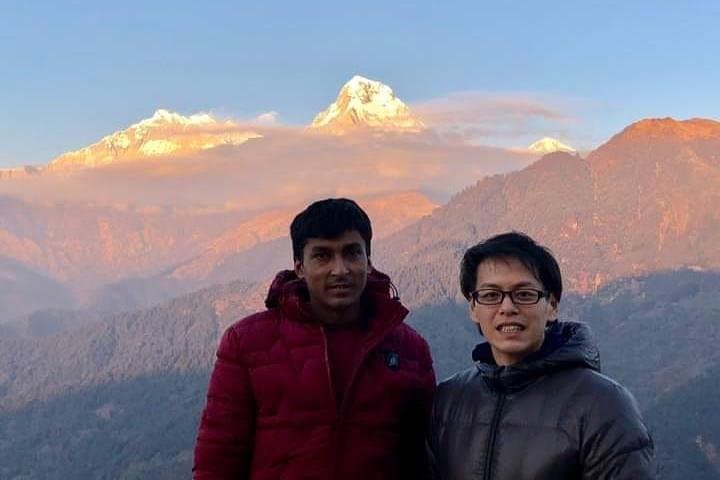
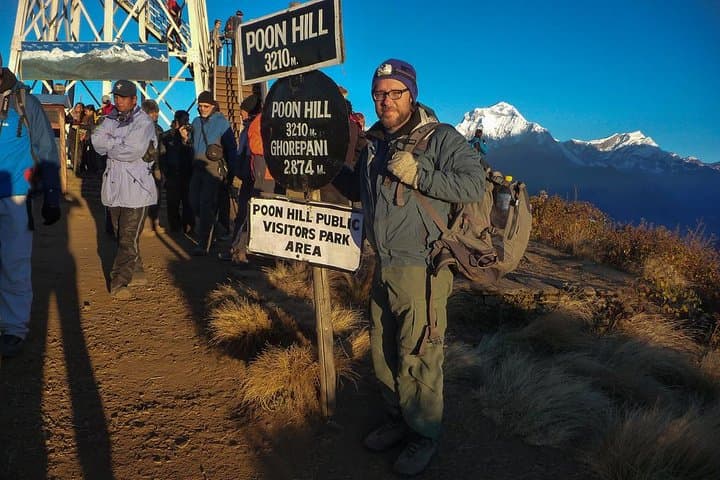
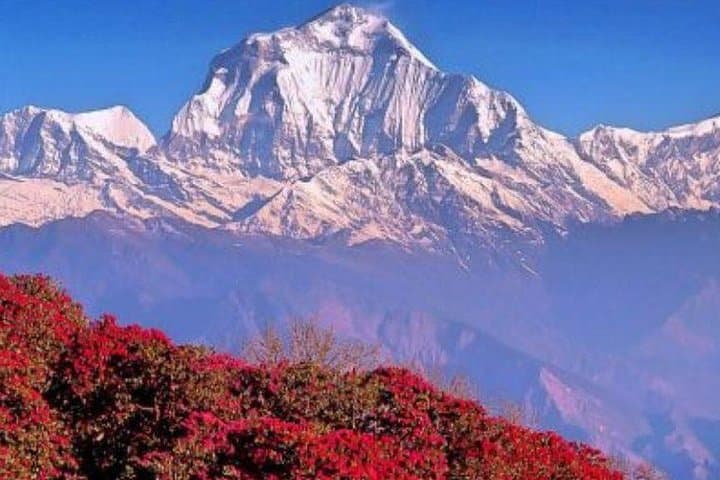
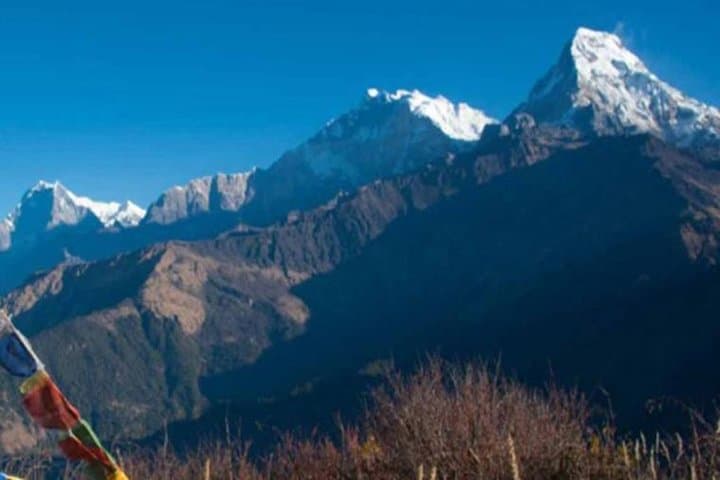
Before dawn the ridge breathes cold and clear. A short, steep push from Ghorepani leads you into a ring of headlamps and the hush of rhododendron forest; by the time the sun slips up over Dhaulagiri and Annapurna, the peaks cut hard silhouettes against an expanding wash of gold and blue.
Before dawn the ridge breathes cold and clear. A short, steep push from Ghorepani leads you into a ring of headlamps and the hush of rhododendron forest; by the time the sun slips up over Dhaulagiri and Annapurna, the peaks cut hard silhouettes against an expanding wash of gold and blue.
This compact trek follows ancient mule trails on the old trans-Himalayan salt route. Geologically the route traces mid-hill ridges carved by rivers spilling from the Annapurna massif; you climb on stone-paved steps and terraced farmland, then through oak, pine and rhododendron that frame repeated mountain vistas. Culturally, the trail threads Gurung and Magar villages—Ghandruk still preserves traditional slate-roof houses and a community museum that explains hill agriculture and wartime recruitment into Gurkha regiments.
Expect steady ascents and descents, 3–6 hours of walking most days, with the highest point at Poon Hill ~3,210 m. Lodging is village teahouse or small hotels in Pokhara; meals are hearty dal-bhat and noodle soups. The most magical moments are the pre-dawn climb and the ridge-top panorama; the trickiest is navigating steep stone steps after rain.
Practical tips: pace your first day to adapt to elevation, bring layered clothing for early-morning cold, and carry water and sunscreen. Permits (Annapurna Conservation Area and TIMS) are required and usually arranged by operators. With basic trekking fitness and solid boots this is an achievable Himalayan sunrise experience—short on logistics, long on mountain views.