THE ADVENTURE COLLECTIVE® · Independent discovery and booking for outdoor travel

This five-day Ghorepani–Poon Hill trek from Pokhara delivers one of Nepal’s classic sunrises over the Annapurna range. Expect steady ascents, rhododendron forests, teahouse nights, and a sunrise payoff above 3,200 m.
This five-day Ghorepani–Poon Hill trek from Pokhara delivers one of Nepal’s classic sunrises over the Annapurna range. Expect steady ascents, rhododendron forests, teahouse nights, and a sunrise payoff above 3,200 m.
A pale ribbon of headlamps threads up the ridge before dawn, and the chill air pushes you toward the viewpoint. At Poon Hill the sky awakens in stages—cool indigo, then a hard gold that edges the jagged teeth of Annapurna and Dhaulagiri. The ascent is steady rather than brutal, a procession through rhododendron stands that, in spring, flare red and pink like embers in the forest.
Verified experiences and guided adventures in the surrounding area.
Operated by AM Travels and Tours · Pokhara, Gandaki Province
A pale ribbon of headlamps threads up the ridge before dawn, and the chill air pushes you toward the viewpoint. At Poon Hill the sky awakens in stages—cool indigo, then a hard gold that edges the jagged teeth of Annapurna and Dhaulagiri. The ascent is steady rather than brutal, a procession through rhododendron stands that, in spring, flare red and pink like embers in the forest.
This five-day Ghorepani–Poon Hill circuit follows centuries-old shepherd and trade routes across the southern flanks of the Annapurna Range. The trail traverses teraced farms, subtropical valleys, and mixed oak-rhododendron forest before gaining the higher, windswept viewpoints that reveal Machapuchare’s knife-edge summit. Geologically, these peaks are young Himalayan thrusts—steep, glaciated summits that throw long shadows across the mid-hills at sunrise.
Along the way, Gurung and Magar villages punctuate the route; teahouses serve dal bhat and stories about monsoon patterns and mountain seasons. Wildlife is subtle—langurs in trees, pheasants below, and the occasional Himalayan tahr higher up.
Practical guide: plan for early starts and stair-like climbs—expect 4–7 hours of trekking on main days, uneven stone steps, and basic guesthouse lodging. Hydrate, manage layers for sharp temperature swings, and carry small Nepali rupee notes for teahouse purchases. Allow time for sunrise at Poon Hill; the viewpoint is crowded but the panorama justifies the effort. For most fit beginners this is approachable; respect altitude gain and move deliberately. The trail rewards steadiness: keep a measured pace, and the mountains will unfold on your schedule.
moderate.
4–6 days.
Suitable for hikers with a basic level of fitness who can handle daily climbs of 4–7 hours and stair-like stone sections.
Late fall (October–November) and spring (March–April) offer the clearest mountain views and stable weather; spring also brings rhododendron blooms.
Yes—trekkers need the Annapurna Conservation Area Permit (ACAP) and TIMS card, typically arranged before or at the trailhead near Pokhara.
Poon Hill reaches about 3,210 m—altitude is moderate; most hikers acclimatize during the route, but monitor for symptoms and ascend slowly.
Basic teahouses and guesthouses with simple rooms, shared bathrooms common; hot meals and blankets are available but comforts are limited.
The trail follows old mule and porter routes used by local communities for trade between mid-hill settlements and mountain pastures.
The route passes through the Annapurna Conservation Area—support local teahouses, avoid single-use plastics, and stick to marked trails to minimize human impact.
AM Travels and Tours operates guided outdoor trips and adventures with an emphasis on safety, stewardship, and memorable experiences.
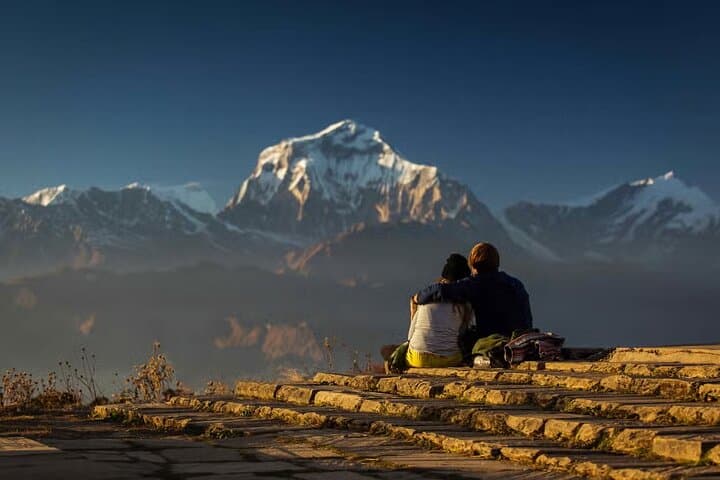
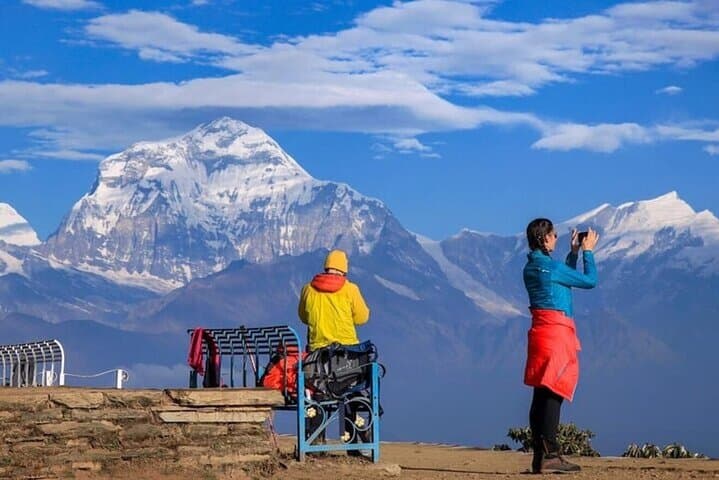
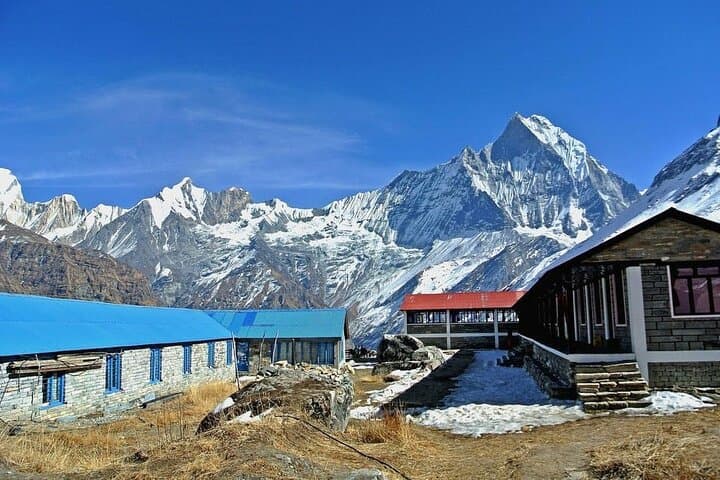
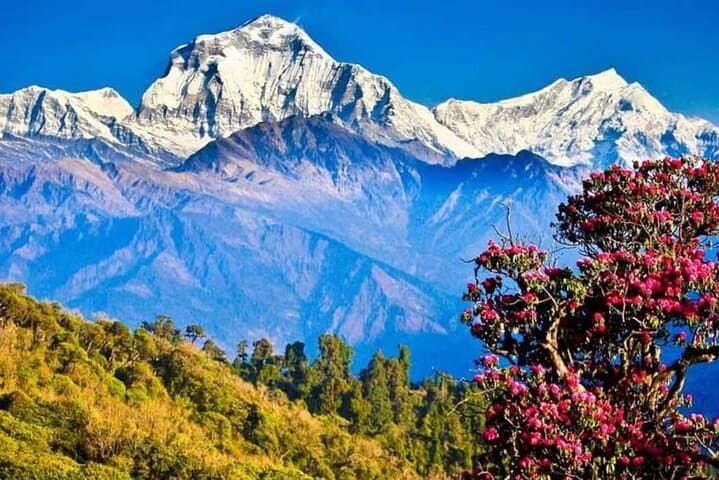
A pale ribbon of headlamps threads up the ridge before dawn, and the chill air pushes you toward the viewpoint. At Poon Hill the sky awakens in stages—cool indigo, then a hard gold that edges the jagged teeth of Annapurna and Dhaulagiri. The ascent is steady rather than brutal, a procession through rhododendron stands that, in spring, flare red and pink like embers in the forest.
A pale ribbon of headlamps threads up the ridge before dawn, and the chill air pushes you toward the viewpoint. At Poon Hill the sky awakens in stages—cool indigo, then a hard gold that edges the jagged teeth of Annapurna and Dhaulagiri. The ascent is steady rather than brutal, a procession through rhododendron stands that, in spring, flare red and pink like embers in the forest.
This five-day Ghorepani–Poon Hill circuit follows centuries-old shepherd and trade routes across the southern flanks of the Annapurna Range. The trail traverses teraced farms, subtropical valleys, and mixed oak-rhododendron forest before gaining the higher, windswept viewpoints that reveal Machapuchare’s knife-edge summit. Geologically, these peaks are young Himalayan thrusts—steep, glaciated summits that throw long shadows across the mid-hills at sunrise.
Along the way, Gurung and Magar villages punctuate the route; teahouses serve dal bhat and stories about monsoon patterns and mountain seasons. Wildlife is subtle—langurs in trees, pheasants below, and the occasional Himalayan tahr higher up.
Practical guide: plan for early starts and stair-like climbs—expect 4–7 hours of trekking on main days, uneven stone steps, and basic guesthouse lodging. Hydrate, manage layers for sharp temperature swings, and carry small Nepali rupee notes for teahouse purchases. Allow time for sunrise at Poon Hill; the viewpoint is crowded but the panorama justifies the effort. For most fit beginners this is approachable; respect altitude gain and move deliberately. The trail rewards steadiness: keep a measured pace, and the mountains will unfold on your schedule.