THE ADVENTURE COLLECTIVE® · Independent discovery and booking for outdoor travel

A compact, three-day trek from Pokhara to Poon Hill that rewards early starts with a dramatic Annapurna sunrise. Expect guesthouse stays, rhododendron forests, and steady climbs to 3,210 m.
A compact, three-day trek from Pokhara to Poon Hill that rewards early starts with a dramatic Annapurna sunrise. Expect guesthouse stays, rhododendron forests, and steady climbs to 3,210 m.
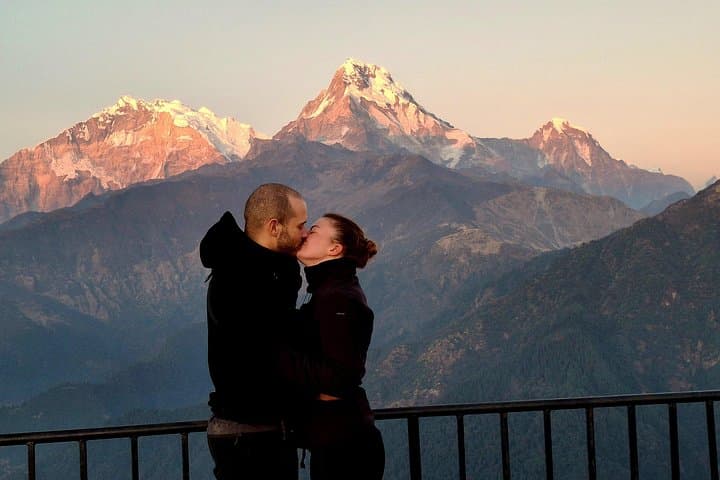
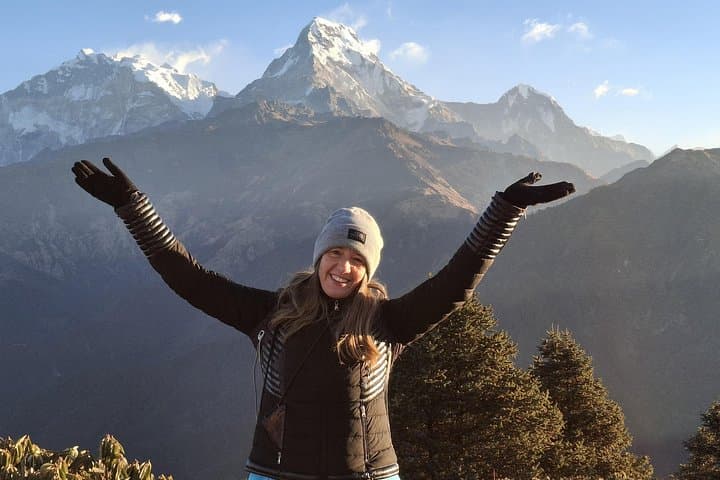
At 4:00 a.m. the ridge above Ghorepani fills with quiet footsteps and headlamp beams as trekkers shoulder packs for the short push to Poon Hill. By the time the sun slides up over snow teeth—Annapurna I, Dhaulagiri and Machapuchare—the valley below is a band of blue mist and terraced fields that seem to breathe.
Verified experiences and guided adventures in the surrounding area.
Operated by Couch Adventure Nepal (CAN) · Pokhara, Gandaki Province
At 4:00 a.m. the ridge above Ghorepani fills with quiet footsteps and headlamp beams as trekkers shoulder packs for the short push to Poon Hill. By the time the sun slides up over snow teeth—Annapurna I, Dhaulagiri and Machapuchare—the valley below is a band of blue mist and terraced fields that seem to breathe.
This compact trek traces old trade and transhumance routes used by Gurung communities, passing stone guesthouses, mani walls and rhododendron forests that flush crimson in spring. Geologically, you move across the southern flank of the Greater Himalaya: uplifted slabs of marine sediments folded and faulted by the India-Asia collision, then carved by rivers into steep valleys.
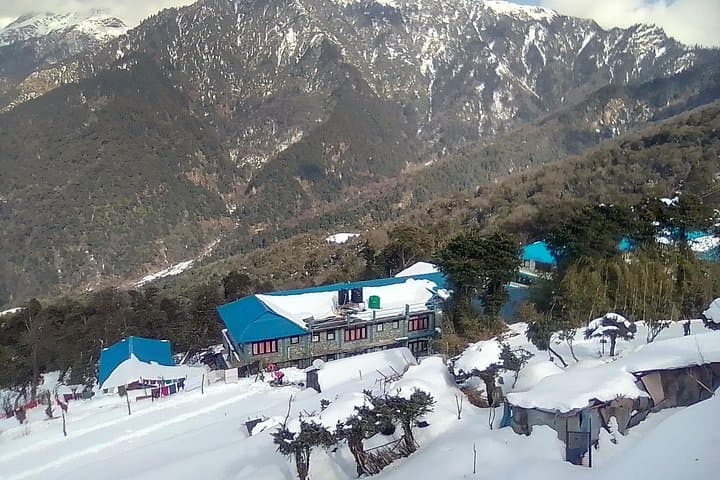
Villages like Ghandruk and Tadapani showcase Gurung culture: slate-roof houses, woven shawls and mountain cuisine served by family-run teahouses. The route is part of the Annapurna Conservation Area, where local management balances visitors with grazing and forest uses.
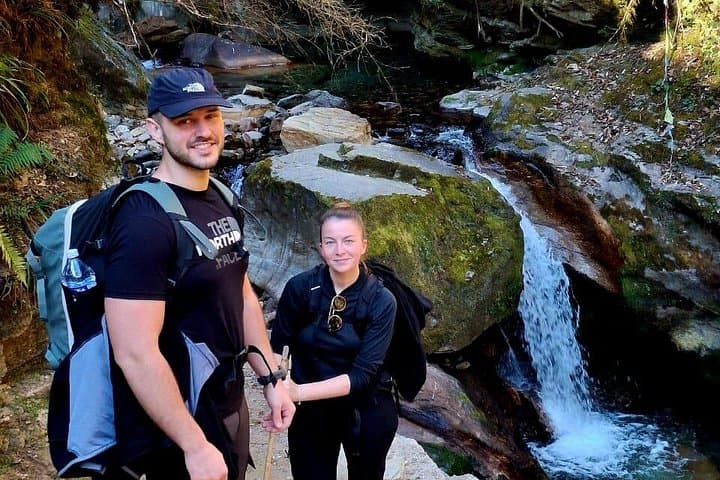
Practically, the itinerary is three days: a 3.5-hour 4WD from Pokhara to Kimche, two days of steady trekking with 300–700 m daily elevation changes, and a pre-dawn ascent to Poon Hill at 3,210 m for sunrise. Expect rocky steps, packed dirt tracks and short steep pitches—no technical climbing. Guesthouses provide basic rooms and hot meals; carry cash.
Permits (TIMS and ACAP) are required, and weather changes fast—start early, layer, and plan for muddy trails in monsoon season. With moderate fitness and sensible gear, the Poon Hill trek delivers high alpine panoramas in a compact, culturally rich package.
moderate.
3 days.
Moderate cardio and leg strength; able to hike 4–6 hours per day with elevation gain
Yes—trekkers must carry a TIMS card and an Annapurna Conservation Area Permit (ACAP), which guides usually arrange before departure.
The climb is steep but non-technical: expect 45–90 minutes depending on fitness and rest stops; steps can be slippery.
Overnights are in basic guesthouses or tea houses offering simple rooms and hot meals; bring a light sleeping bag for comfort.
Guides are not legally required for Poon Hill, but this tour includes an English-speaking trekking guide and 4WD transfers for logistics and safety.
Trails link longstanding Gurung villages that traded salt and wool along trans-Himalayan routes; many teahouses evolved from those trade stops.
The trek runs inside the Annapurna Conservation Area—follow local rules, pack out trash, and minimize single-use plastics to reduce trail impact.
Couch Adventure Nepal (CAN) operates guided outdoor trips and adventures with an emphasis on safety, stewardship, and memorable experiences.
At 4:00 a.m. the ridge above Ghorepani fills with quiet footsteps and headlamp beams as trekkers shoulder packs for the short push to Poon Hill. By the time the sun slides up over snow teeth—Annapurna I, Dhaulagiri and Machapuchare—the valley below is a band of blue mist and terraced fields that seem to breathe.
At 4:00 a.m. the ridge above Ghorepani fills with quiet footsteps and headlamp beams as trekkers shoulder packs for the short push to Poon Hill. By the time the sun slides up over snow teeth—Annapurna I, Dhaulagiri and Machapuchare—the valley below is a band of blue mist and terraced fields that seem to breathe.
This compact trek traces old trade and transhumance routes used by Gurung communities, passing stone guesthouses, mani walls and rhododendron forests that flush crimson in spring. Geologically, you move across the southern flank of the Greater Himalaya: uplifted slabs of marine sediments folded and faulted by the India-Asia collision, then carved by rivers into steep valleys.
Villages like Ghandruk and Tadapani showcase Gurung culture: slate-roof houses, woven shawls and mountain cuisine served by family-run teahouses. The route is part of the Annapurna Conservation Area, where local management balances visitors with grazing and forest uses.
Practically, the itinerary is three days: a 3.5-hour 4WD from Pokhara to Kimche, two days of steady trekking with 300–700 m daily elevation changes, and a pre-dawn ascent to Poon Hill at 3,210 m for sunrise. Expect rocky steps, packed dirt tracks and short steep pitches—no technical climbing. Guesthouses provide basic rooms and hot meals; carry cash.
Permits (TIMS and ACAP) are required, and weather changes fast—start early, layer, and plan for muddy trails in monsoon season. With moderate fitness and sensible gear, the Poon Hill trek delivers high alpine panoramas in a compact, culturally rich package.