THE ADVENTURE COLLECTIVE® · Independent discovery and booking for outdoor travel

A six-day teahouse trek from Pokhara to Poon Hill and Mulde packs classic Annapurna foothill scenery—rhododendron forests, stone stairways, high viewpoints and sunrise panoramas of the Himalaya—into a compact, accessible itinerary.
A six-day teahouse trek from Pokhara to Poon Hill and Mulde packs classic Annapurna foothill scenery—rhododendron forests, stone stairways, high viewpoints and sunrise panoramas of the Himalaya—into a compact, accessible itinerary.
The trail opens before dawn—headlamps bobbing, Himalayan air clean and thin—as you climb switchbacks toward a ridge that will carry you above the tree line. By sunrise at Poon Hill, ridgelines of Dhaulagiri, Annapurna and Machhapuchhre peel into color, the ranges pushing themselves into view like actors stepping onto a stage.
Verified experiences and guided adventures in the surrounding area.
Operated by CAN Travels · Pokhara, Gandaki Province
The trail opens before dawn—headlamps bobbing, Himalayan air clean and thin—as you climb switchbacks toward a ridge that will carry you above the tree line. By sunrise at Poon Hill, ridgelines of Dhaulagiri, Annapurna and Machhapuchhre peel into color, the ranges pushing themselves into view like actors stepping onto a stage.
This 6-day circuit threads classic Annapurna foothills: a valley road drive from Pokhara to Nayapul, stone staircases through rhododendron and oak, and high grassy viewpoints at Dobato and Mulde where wind and rock shape the skyline. The route follows centuries-old mule tracks used by Gurung and Magar villages; Ghandruk and Ghorepani remain living cultural stops with stone teahouses and layers of village life open to hikers.
Geologically the area is young, uplifted by the collision of the Indian and Eurasian Plates; steep relief and rocky outcrops yield dramatic, abrupt views. Expect varied terrain: packed dirt, carved stone steps, narrow forest trails, and exposed ridgelines with short steep sections—Dobato sits around 3,350 m, Poon Hill at about 3,210 m.
Practically: the trek covers roughly 40–50 km of walking over six days with cumulative ascent of about 2,000–2,500 m; daily stages run 4–7 hours. Teahouse accommodation and guide services are standard; carry layered clothing, a good pair of hiking boots, water treatment and small cash for villages. Start early for viewpoints, sit quietly at dawn to watch mountains “unfold,” and allow conservative pacing to adjust to altitude.
challenging.
5–7 days (approx. 40–50 km total).
Moderate to good aerobic fitness recommended—regular hikers who can handle sustained uphill sections and long days will fare best
It’s accessible to fit beginners with prior regular walking experience; expect long days, steep stone steps and altitude—moderate fitness and a paced approach are important.
A licensed English-speaking guide is included in most packages and trekking permits are required in the Annapurna region; guided treks simplify logistics and permit processing.
Teahouse guest houses provide basic rooms (twin/shared) and local Nepalese meals—dahl bhat, noodles and soups; bring snacks and cash for extras.
Spring (March–May) and fall (Sept–Nov) offer the clearest mountain views and stable weather—monsoon summer sees clouds and rain, winter is cold with possible snow at higher stops.
These trails were traditional trade and shepherd routes used by Gurung and Magar communities; teahouse trekking developed here in the late 20th century as tourism to Annapurna increased.
Stick to marked trails, carry out waste where possible and use locally-run teahouses to support community-based tourism that reduces pressure on fragile high‑altitude zones.
CAN Travels operates guided outdoor trips and adventures with an emphasis on safety, stewardship, and memorable experiences.
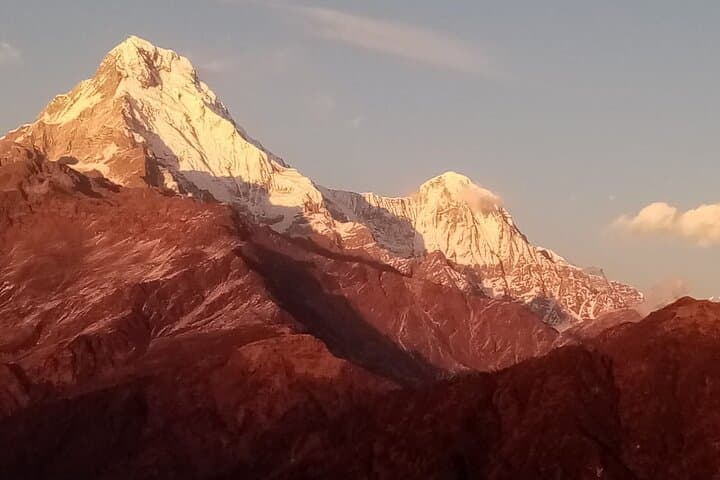
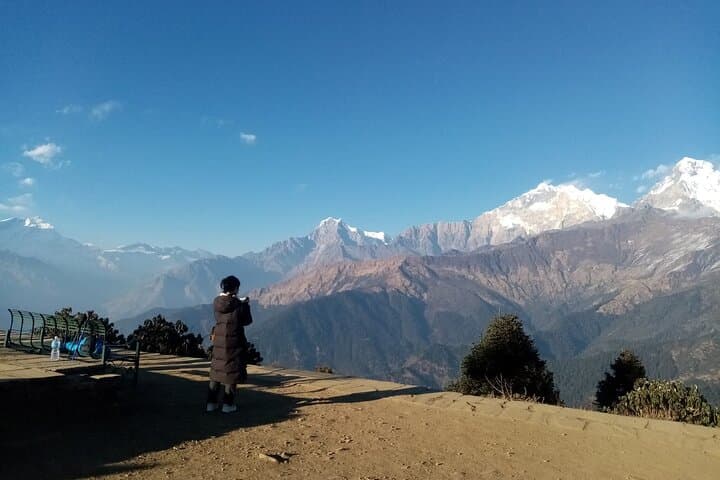
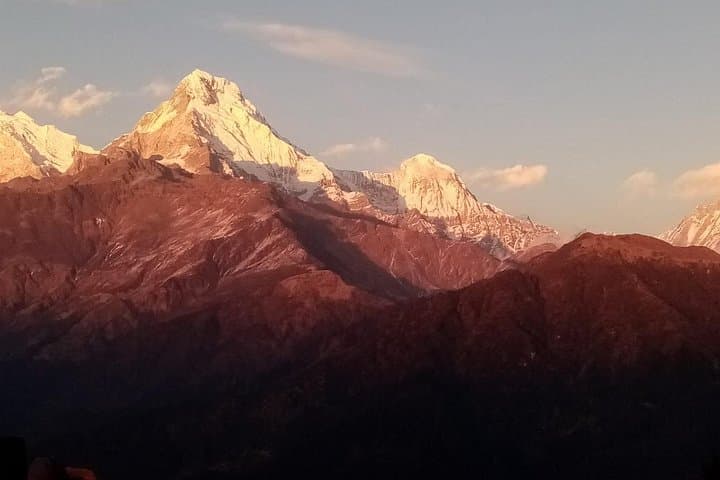
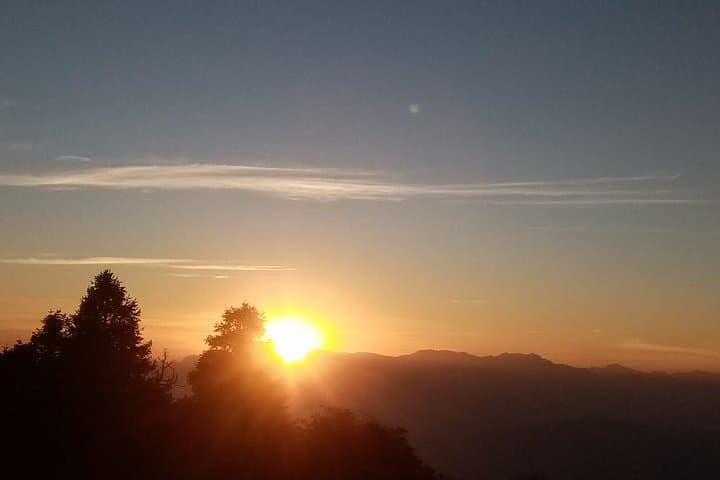
The trail opens before dawn—headlamps bobbing, Himalayan air clean and thin—as you climb switchbacks toward a ridge that will carry you above the tree line. By sunrise at Poon Hill, ridgelines of Dhaulagiri, Annapurna and Machhapuchhre peel into color, the ranges pushing themselves into view like actors stepping onto a stage.
The trail opens before dawn—headlamps bobbing, Himalayan air clean and thin—as you climb switchbacks toward a ridge that will carry you above the tree line. By sunrise at Poon Hill, ridgelines of Dhaulagiri, Annapurna and Machhapuchhre peel into color, the ranges pushing themselves into view like actors stepping onto a stage.
This 6-day circuit threads classic Annapurna foothills: a valley road drive from Pokhara to Nayapul, stone staircases through rhododendron and oak, and high grassy viewpoints at Dobato and Mulde where wind and rock shape the skyline. The route follows centuries-old mule tracks used by Gurung and Magar villages; Ghandruk and Ghorepani remain living cultural stops with stone teahouses and layers of village life open to hikers.
Geologically the area is young, uplifted by the collision of the Indian and Eurasian Plates; steep relief and rocky outcrops yield dramatic, abrupt views. Expect varied terrain: packed dirt, carved stone steps, narrow forest trails, and exposed ridgelines with short steep sections—Dobato sits around 3,350 m, Poon Hill at about 3,210 m.
Practically: the trek covers roughly 40–50 km of walking over six days with cumulative ascent of about 2,000–2,500 m; daily stages run 4–7 hours. Teahouse accommodation and guide services are standard; carry layered clothing, a good pair of hiking boots, water treatment and small cash for villages. Start early for viewpoints, sit quietly at dawn to watch mountains “unfold,” and allow conservative pacing to adjust to altitude.