THE ADVENTURE COLLECTIVE® · Independent discovery and booking for outdoor travel

A compact four-day trek from Pokhara to Poon Hill and Ghandruk delivers sunrise panoramas of the Annapurna range, rhododendron forests and authentic Gurung village life—ideal for travelers short on time but hungry for Himalayan views.
A compact four-day trek from Pokhara to Poon Hill and Ghandruk delivers sunrise panoramas of the Annapurna range, rhododendron forests and authentic Gurung village life—ideal for travelers short on time but hungry for Himalayan views.
You wake before dawn, the cold cutting cleanly through the village as a headlamp bobbles up the trail toward Poon Hill. The sky lightens from ink to bruise while peaks—Annapurna I, Dhaulagiri and Machhapuchhre—catch the first rays and go from grey to gold. That sunrise is the reason most people make this short but steep pilgrimage.
Verified experiences and guided adventures in the surrounding area.
Operated by Worldwide Tourism Inc - Highly Recommended Travel Company · Pokhara, Gandaki Province
You wake before dawn, the cold cutting cleanly through the village as a headlamp bobbles up the trail toward Poon Hill. The sky lightens from ink to bruise while peaks—Annapurna I, Dhaulagiri and Machhapuchhre—catch the first rays and go from grey to gold. That sunrise is the reason most people make this short but steep pilgrimage.
The route follows age-old mule tracks and stone staircases through rhododendron forest and terraced fields. Ghorepani and Ghandruk are living pages of Gurung culture; traditional houses, a small community museum in Ghandruk, and friendly teahouses give the trail a human scale. Geologically, the Annapurna massif is young and dramatic—steep granite faces carved by glaciers and monsoon-fed rivers that keep valleys fertile.
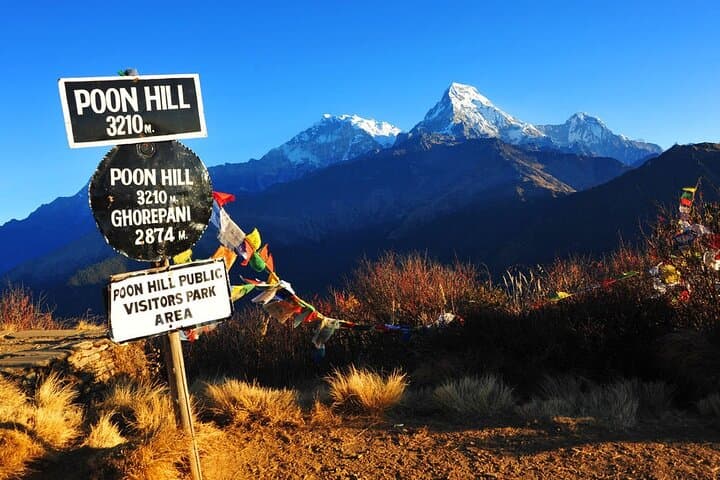
Practically, this is a concentrated Himalayan trek: four days of steady ascent and descent, a high point of roughly 3,210m at Poon Hill, and generous daylight walking. Expect rocky steps, forested switchbacks and occasional muddy stretches after rain. Teahouses provide simple rooms and warm meals; guides handle permits (TIMS and ACAP) and navigation.
Plan for early starts (sunrise hikes mean 3–4 a.m. departures), layered clothing for big temperature swings, and extra time to move slowly on long stone staircases. Hydrate, pace up steep pitches to reduce breathlessness, and carry cash—remote villages rely on it. For travelers short on time, this itinerary delivers Himalayan panoramas, local culture and manageable altitude exposure in four compact, memorable days.
moderate.
3–5 days (active walking time distributed over 4 days).
Moderate cardiovascular fitness; able to walk 5–7 hours on uneven terrain and manage sustained climbs.
Most itineraries include hotel pickup and a 40–90 minute drive to Nayapul, the trailhead; from Nayapul the walk begins along the Modi Khola valley.
Yes—Annapurna Conservation Area Project (ACAP) and TIMS permits are required; reputable operators usually obtain them for you and they may be included in the price.
Risk is lower than high Himalayan treks but Poon Hill reaches ~3,210m; ascend gradually, stay hydrated, and report symptoms—your guide can advise on rest or descent if needed.
Spring (March–May) and autumn (September–November) offer the clearest skies and rhododendron blooms; monsoon season brings lushness but heavier trail rain.
Ghandruk and surrounding villages are predominantly Gurung settlements with long traditions of trans-Himalayan trade and distinct music, dress and communal life.
The trek passes through the Annapurna Conservation Area; permits fund local conservation and community development—minimize impact by using established trails and teahouse services.
Worldwide Tourism Inc - Highly Recommended Travel Company operates guided outdoor trips and adventures with an emphasis on safety, stewardship, and memorable experiences.
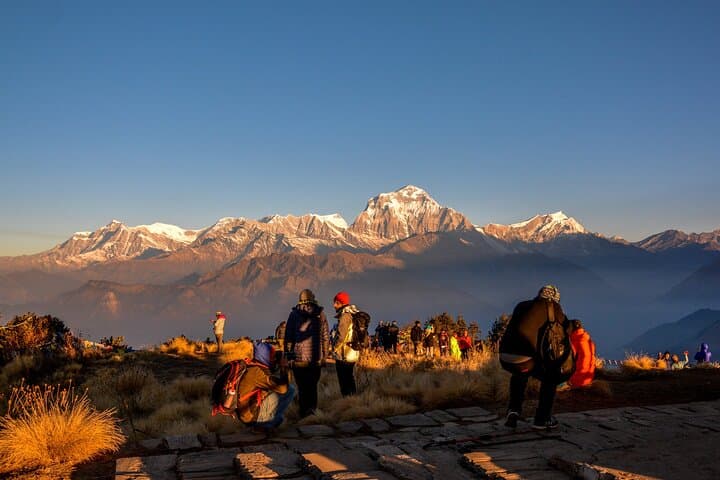
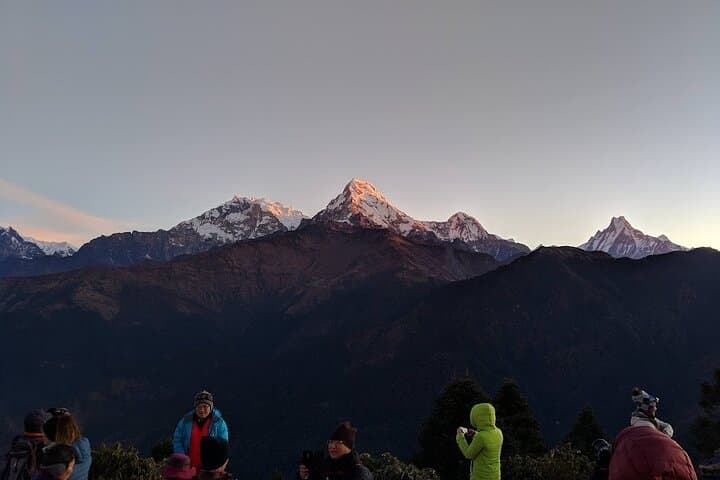
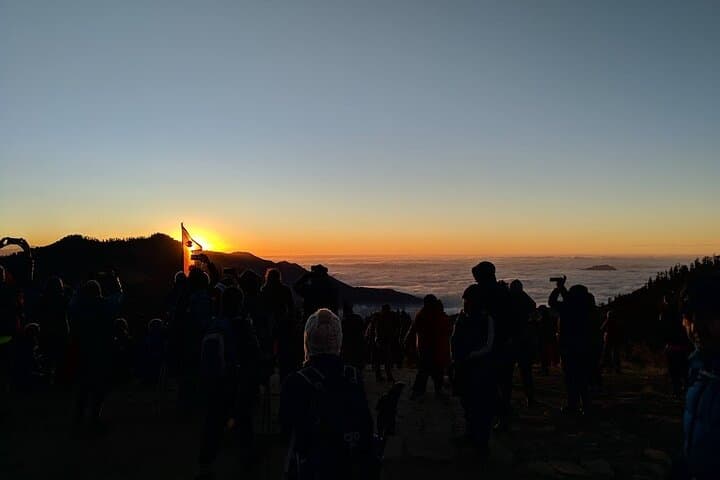
You wake before dawn, the cold cutting cleanly through the village as a headlamp bobbles up the trail toward Poon Hill. The sky lightens from ink to bruise while peaks—Annapurna I, Dhaulagiri and Machhapuchhre—catch the first rays and go from grey to gold. That sunrise is the reason most people make this short but steep pilgrimage.
You wake before dawn, the cold cutting cleanly through the village as a headlamp bobbles up the trail toward Poon Hill. The sky lightens from ink to bruise while peaks—Annapurna I, Dhaulagiri and Machhapuchhre—catch the first rays and go from grey to gold. That sunrise is the reason most people make this short but steep pilgrimage.
The route follows age-old mule tracks and stone staircases through rhododendron forest and terraced fields. Ghorepani and Ghandruk are living pages of Gurung culture; traditional houses, a small community museum in Ghandruk, and friendly teahouses give the trail a human scale. Geologically, the Annapurna massif is young and dramatic—steep granite faces carved by glaciers and monsoon-fed rivers that keep valleys fertile.
Practically, this is a concentrated Himalayan trek: four days of steady ascent and descent, a high point of roughly 3,210m at Poon Hill, and generous daylight walking. Expect rocky steps, forested switchbacks and occasional muddy stretches after rain. Teahouses provide simple rooms and warm meals; guides handle permits (TIMS and ACAP) and navigation.
Plan for early starts (sunrise hikes mean 3–4 a.m. departures), layered clothing for big temperature swings, and extra time to move slowly on long stone staircases. Hydrate, pace up steep pitches to reduce breathlessness, and carry cash—remote villages rely on it. For travelers short on time, this itinerary delivers Himalayan panoramas, local culture and manageable altitude exposure in four compact, memorable days.